Buying Guide: Best Shower Base and Wall Kits
Choosing a shower base and wall kit can feel overwhelming with so many options for sizes, materials, and features. Many buyers worry about fitting the space correctly, ensuring leak-proof installation, and avoiding high ongoing costs. This guide breaks down the key factors to consider for a practical, long-lasting setup that matches your needs.
Size and Dimensions
Getting the size right ensures the shower fits your bathroom layout without wasting space or feeling cramped. Measure your area precisely, including door swing and plumbing locations, before selecting.
- Standard sizes like 32x32 inches or 36x36 inches work well for small to medium bathrooms.
- Opt for rectangular options like 60x32 inches if you prefer a walk-in feel.
- Avoid oversized kits in tight spaces, as they complicate installation and may require wall adjustments.
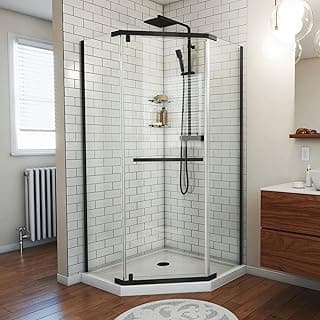
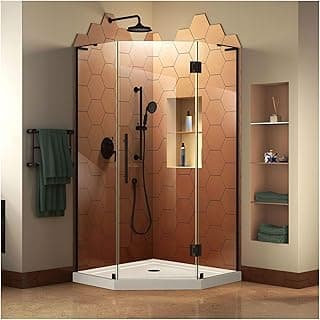
If space is limited, prioritize neo-angle designs for corner installations.
Material and Build Quality
The material affects durability, weight, and resistance to daily wear like water exposure and cleaning chemicals. Acrylic tends to be lighter and warmer underfoot, while fiberglass offers affordability for moderate use.
- Choose solid surface materials if you want a seamless, high-end look that resists stains.
- Look for reinforced construction with thick walls (at least 1/4-inch) to prevent flexing over time.
- Avoid thin, low-grade composites that crack easily in high-traffic households.
For families, prioritize scratch-resistant finishes that hold up to frequent use.
Waterproofing and Leak Prevention
A reliable seal keeps moisture from damaging your subfloor or walls, preventing costly repairs down the line. Kits with integrated backing and pre-applied seals simplify this.
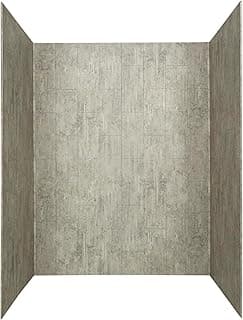
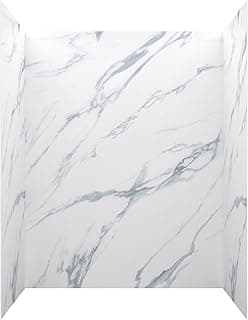
- Seek fully tiled or seamless wall systems with overlapping flanges for better water containment.
- Check for sloped bases with 1/4-inch per foot drain pitch to promote quick drainage.
- Steer clear of kits requiring extensive additional waterproofing membranes.
If you're in a humid climate, select kits with molded curbs to block splash-out.
Installation Requirements
Most shower base and wall kits aim for straightforward setup, but your skill level and bathroom prep matter. Pre-fabricated units reduce labor compared to custom tiling.
- DIY-friendly if the kit includes a level base and snap-together walls—no mortar needed.
- Professional install recommended for uneven floors or if modifying plumbing.
- Verify compatibility with your drain type (e.g., 2-inch or 3.5-inch).
For renters or quick renos, choose glue-down or freestanding models that avoid permanent alterations.
Safety Features
Safety reduces slip risks, especially for households with kids, seniors, or mobility concerns. Textured surfaces and grab points make a noticeable difference in everyday use.
- Look for slip-resistant floors with high coefficient ratings (e.g., 0.6 or above when wet).
- Consider low-threshold or curbless bases for easier step-in access.
- Add integrated benches or seats if space allows for seated showers.
If accessibility is key, pair with fold-down grab bars for stability without cluttering the design.
Maintenance and Longevity
Easy-to-clean surfaces save time and keep the shower looking new. Focus on mildew-resistant materials that handle standard cleaners without fading.
- Glossy, non-porous finishes wipe down quickly and resist soap scum.
- Choose fade-proof walls for long-term color retention under UV exposure from nearby windows.
- Avoid textured walls that trap grime unless they have antimicrobial coatings.
In hard water areas, select kits with protective gel coats to minimize mineral buildup.
Cost and Value
Prices range from $300 for basic setups to $1,500+ for premium features, balancing upfront spend with durability. Factor in installation costs, which can add 50-100% for pros.
- Budget kits suit low-use guest baths; invest more for primary showers.
- Weigh warranties—10-30 years on the base indicates solid construction.
- Calculate total ownership: cheaper kits may need earlier replacement.
If budget is tight, prioritize core elements like size and waterproofing over extras.
Frequently Asked Questions About Shower Base and Wall Kits
What is the average cost of a good shower base and wall kit?
Expect to pay between $300 and $1,200 for a quality shower base and wall kit, depending on size, material like acrylic or fiberglass, and features such as built-in shelving. Basic kits start lower for small spaces, while larger or curved options push toward the higher end. Factor in an extra $200–500 for professional installation if you're not DIY-savvy, making total costs more predictable upfront.
Are shower base and wall kits safe for families with kids or elderly users?
Most modern shower base and wall kits prioritize safety with slip-resistant flooring textured to prevent falls, especially in wet conditions. Look for kits with low-threshold bases under 1 inch for easier step-in access, ideal for kids or seniors. Adding grab bars during install boosts security further, and in most cases, these features make them safer than tiled showers that can crack over time.
How difficult is installing a shower base and wall kit for beginners?
Installation is straightforward for handy homeowners, typically taking 4–8 hours if the subfloor is level and plumbing aligns. Kits come with pre-cut panels and a snap-together base, requiring basic tools like a drill and silicone sealant—no advanced plumbing skills needed. If your space has uneven walls or old pipes, hire a pro to avoid leaks; otherwise, detailed instructions make it DIY-friendly.
How do shower base and wall kits compare to custom tiled showers?
Shower base and wall kits offer faster setup and lower upfront costs than custom tiled showers, which can take days and cost double due to labor. They provide a seamless, waterproof surface that's easier to clean without grout lines trapping mold, though tiles allow more design flexibility. For efficiency in small bathrooms, kits win on speed and maintenance, making them practical for remodels.
What sizes and styles are best for different bathroom layouts?
Choose 32x32-inch neo-angle kits for tight corner spaces, or 60x36-inch rectangular bases for larger alcoves to maximize comfort. Curved or D-shaped options enhance walk-in feel in compact areas, while alcove kits fit standard 5-foot walls efficiently. Measure your space twice and consider door swing—most kits accommodate left or right drains for versatile installs.
Conclusion
Choosing the best shower base and wall kits comes down to factors like size, material durability, and easy installation. Prioritize options that match your space and maintenance needs for long-term satisfaction.
You now have the insights to make a confident decision without guesswork. Consider your specific requirements, and select the model that aligns best with your bathroom setup. It's a straightforward upgrade that enhances functionality and style.