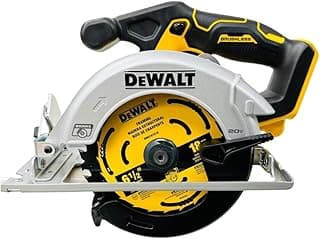
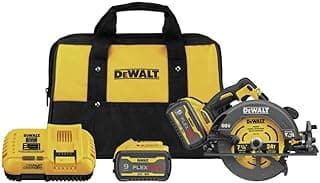
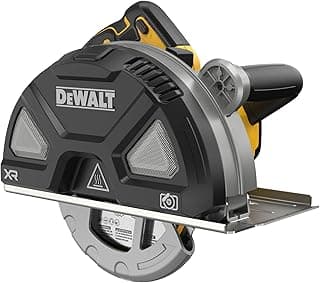
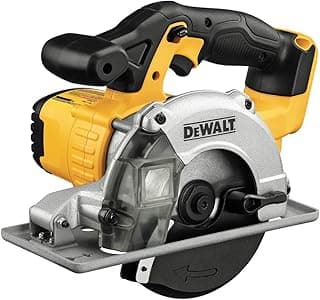
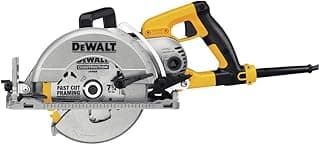
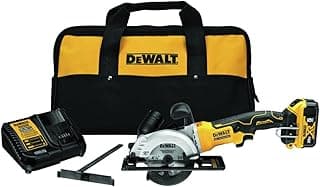
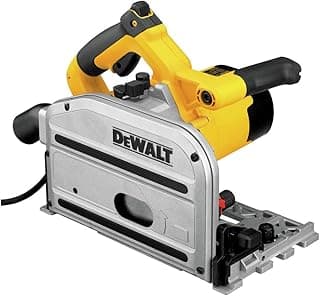
Buying Guide: Finding the Best DeWalt Circular Saw
When shopping for a DeWalt circular saw, many buyers feel overwhelmed by options like blade size, power levels, and corded versus cordless models. The good news is that focusing on a few key factors matching your projects can simplify the choice and help you get reliable performance without unnecessary extras.
Blade Size and Cutting Capacity
Blade size determines the depth and width of cuts you can make, which directly impacts what projects suit the saw best. A larger blade handles thicker materials like full sheets of plywood, while smaller ones offer better control for precision work.
- If you often cut lumber over 2 inches thick, look for a 7-1/4 inch blade for adequate depth.
- For trim, framing, or lighter tasks, a 6-1/2 inch blade provides maneuverability without sacrificing much power.
- Avoid assuming bigger is always better—oversized blades add weight and can make one-handed use tiring.
Power Source: Corded vs. Cordless
Power delivery affects runtime and portability. Corded models deliver consistent power for long jobs, while cordless ones prioritize mobility on sites without outlets.
- Choose cordless if you work in remote areas or move frequently—20V platforms generally suffice for most DIY tasks, but 60V flex systems handle heavy-duty cuts.
- Opt for corded for all-day shop use where extension cords are feasible, as they avoid battery swaps mid-cut.
- Test runtime in real scenarios: a single battery often lasts 30-60 minutes of intermittent use, depending on load.
Motor Power and Speed
Motor strength, measured in amps for corded or volts/ah for cordless, influences how smoothly the saw powers through dense woods or composites without bogging down.
In most cases, 15 amps corded motors or 20V Max with high-ah batteries provide ample torque for framing and decking. If ripping hardwoods frequently, prioritize no-load speeds above 5,000 RPM to reduce tear-out and effort.
Weight and Ergonomics
A saw's weight and handle design affect fatigue during extended use. Lighter models shine for overhead or repetitive cuts, but balance matters more than raw lightness.
- For pros on ladders or scaffolding, aim under 8 pounds (cordless often hit this mark).
- Look for rear-handle designs with overmolded grips if overhead work is common—they reduce strain compared to sidewinder styles.
- Always test the balance: if it feels front-heavy, it could lead to wobbly cuts over time.
Safety and Convenience Features
Safety mechanisms like electric brakes and blade guards prevent accidents, while extras like LED lights improve visibility in low-light conditions.
If visibility is an issue in garages or outdoors, integrated lights help align cuts accurately. Electric brakes stop the blade in under 2 seconds, a plus for frequent direction changes. For beginners, models with blade guards that retract smoothly reduce intimidation without adding bulk.
Durability and Dust Management
Build quality ensures the saw withstands job site drops and daily abuse. Effective dust collection keeps the line of sight clear and extends motor life.
- Magnesium components often mean better resistance to corrosion and lighter weight.
- If dust is a concern, choose models compatible with vacuums—capturing 80% of debris makes cleanup faster and lungs happier.
- Check user-replaceable brushes in corded models for longer-term savings.
By matching these factors to your typical projects—like occasional DIY versus full-time contracting—you'll narrow down to a DeWalt circular saw that performs reliably without overpaying for unused features.
Frequently Asked Questions
What is the best circular saw for the money?
If you're balancing performance and price, look for a cordless model around 6-1/2 inches with a brushless motor, typically costing $150-$250. These deliver strong cutting power for framing or plywood without frequent battery swaps, making them ideal for DIYers or pros on a budget. In most cases, they outperform cheaper options in runtime and durability, saving money long-term through fewer replacements.
Is a high-end circular saw worth the extra cost?
Premium versions often run $200-$400 and shine in heavy daily use with features like deeper cuts up to 2-1/2 inches and longer battery life. If you're tackling thick lumber or site work regularly, the investment pays off in reduced downtime and smoother finishes. For occasional home projects, a mid-range pick handles most jobs just fine without the premium price tag.
How do I ensure safety when using a circular saw?
Always wear safety glasses, gloves, and hearing protection, and keep the blade guard functional for kickback prevention. Secure your workpiece with clamps, maintain a firm two-handed grip, and start cuts slowly to avoid binding. If you're new to power tools, practice on scrap wood first to build confidence and reduce accident risks.
What's involved in installation and setup for a new circular saw?
Most models come pre-assembled; just charge the battery if cordless, attach the blade using the included wrench, and adjust the depth and bevel settings per your first cut. Double-check the blade is tightened clockwise and spins freely without wobbling. It usually takes under 10 minutes, and the manual's diagrams make it straightforward even for beginners.
How does this circular saw compare to other top power saws?
Circular saws excel in speed and straight-line cuts compared to miter or table saws, making them more portable for job sites. They handle rip cuts efficiently but may need a guide for perfect straightness, unlike stationary models. For versatility in woodworking or remodeling, they're often the top choice over jigsaws for thicker materials.
Conclusion
Choosing the best DeWalt circular saw comes down to matching power, blade size, and ergonomics to your specific projects. Key factors like battery life for cordless models and durability for heavy use ensure long-term reliability and performance.
You can feel confident in your decision by prioritizing these essentials, as they deliver consistent results across various tasks. Take a moment to select the model that fits your needs best and elevate your cutting precision today.