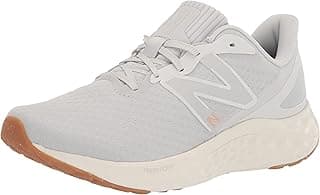
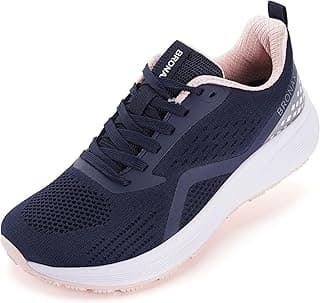
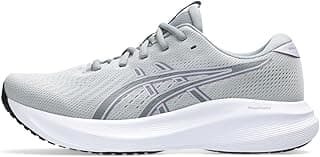
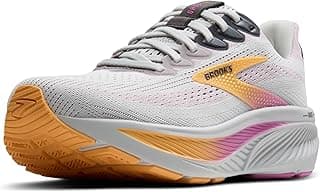
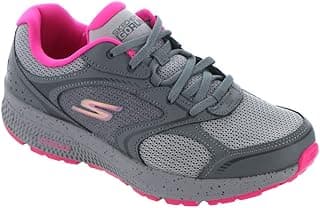
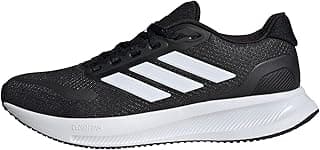
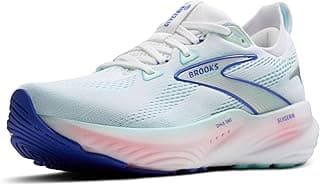
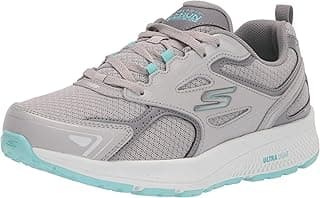
Buying Guide: Best Women's Wide Running Shoes
Finding women's wide running shoes that fit comfortably without causing blisters or pain can feel frustrating, especially if standard widths pinch your feet during longer runs. Many runners overlook key fit and performance factors, leading to discomfort or early shoe replacement. This guide breaks down the essentials to help you choose options that suit your needs and running style.
Width and Fit
Width is the starting point for women's wide running shoes, as it directly affects comfort and injury risk. A proper wide fit prevents toes from rubbing and allows natural foot swelling during runs.
- Look for shoes labeled with a 2E or 4E width designation for most wide feet.
- If you have high arches or bunions, prioritize adjustable uppers like laces or straps over fixed designs.
- Try shoes in the afternoon when feet are slightly swollen for a realistic fit test.
Cushioning and Support
Cushioning absorbs impact on pavement or trails, while support stabilizes your stride—crucial for wide feet prone to overpronation. Too little cushioning leads to fatigue; too much can feel unstable.
- Choose responsive foam midsoles for daily training if you run 20-30 miles weekly.
- Opt for firmer heels with good arch support if you experience heel pain or roll inward.
- Test by doing a short jog in-store; the shoe should feel secure without squeezing the sides.
Weight and Flexibility
Lighter shoes reduce fatigue on long runs, but wide versions often weigh more due to extra material. Flexibility aids natural foot movement, improving efficiency.
- Aim for shoes under 9 ounces per shoe if speed is key for races or intervals.
- Select more flexible forefoots for trails if you need better ground feel.
- Avoid overly rigid shoes unless you have stability issues—they can restrict wide feet further.
Durability and Outsole
The outsole grips surfaces and withstands abrasion, extending shoe life. Wide shoes need robust rubber to handle extra stress on edges.
- Look for thick, multi-directional lugs if running on wet or uneven terrain.
- Check for reinforced toe caps if you kick curbs or run roads frequently.
- Expect 300-500 miles of use from quality outsoles; replace sooner if treads wear unevenly.
Breathability and Upper Material
Breathable uppers prevent overheating and blisters, especially important for wide feet that retain more heat. Synthetic meshes outperform leather in ventilation.
- Choose engineered mesh if you run in warm climates or sweat heavily.
- Go for seamless interiors if sensitive skin is a concern—reduces friction points.
- Avoid non-stretchy materials; they can bind wide feet during movement.
Drop and Stack Height
Heel-to-toe drop influences calf strain and posture. Stack height adds cushioning layers. Match these to your gait for comfort.
- If you heel strike, try a 8-12mm drop for smoother transitions.
- Lower drops (4-8mm) suit midfoot strikers building natural form.
- Higher stacks work well for heavier runners needing more protection.
Budget and Replacement Timing
Quality wide running shoes range widely in price, but investing upfront saves on frequent replacements. Factor in your mileage to gauge value.
- Set a budget covering 400+ miles of reliable use for most daily runners.
- If running high volume, prioritize durable builds over entry-level options.
- Track wear with a mileage log; replace when cushioning compresses to avoid injury.
Frequently Asked Questions About Women's Wide Running Shoes
What are the best women's wide running shoes for everyday training?
For everyday training, look for women's wide running shoes with a generous toe box and cushioned midsoles that accommodate wider feet without causing blisters or hotspots. These shoes typically offer good stability on roads and light trails, helping prevent common issues like ankle rolls during longer runs. In most cases, they balance comfort and durability for runners logging 20-30 miles weekly.
How much do good women's wide running shoes cost?
Quality women's wide running shoes usually range from $100 to $160, depending on the cushioning level and materials used. If you're on a budget, options around $100 provide solid support and longevity for casual runners, while higher-end pairs justify the cost with better breathability and energy return for frequent use. Consider sales or outlet versions to save without sacrificing fit for wide feet.
Are women's wide running shoes safe for overpronators?
Yes, many women's wide running shoes are designed with safety features like medial support posts to guide overpronators and reduce injury risk on uneven surfaces. They often include grippy outsoles that enhance traction during wet conditions or quick turns, keeping you stable mile after mile. Always test the fit in-store if possible to ensure they match your gait without feeling restrictive.
How do women's wide running shoes compare to regular width options?
Women's wide running shoes provide extra room in the forefoot and midfoot compared to regular widths, preventing squeezing that leads to numbness or bunions over time. While regular shoes might feel snug initially, wide versions offer better airflow and less friction for natural foot swelling during runs. The key difference is in long-term comfort—wide fits excel for those with broader feet or orthotics.
What should I look for in women's wide running shoes for maximum efficiency?
Prioritize women's wide running shoes with responsive foam midsoles and lightweight uppers to boost running efficiency and reduce fatigue on tempo runs. Features like rocker geometry can propel you forward more naturally, improving stride length without extra effort. If efficiency is your goal, pair them with socks that wick moisture to maintain consistent performance.
Conclusion
Finding the best women's wide running shoes comes down to prioritizing ample toe box space, superior cushioning, and a secure fit that supports your stride without blisters or hotspots. Key factors like breathability and durability ensure they hold up mile after mile.
With these essentials in mind, you're equipped to pick a pair that matches your needs and running style. Take a moment to consider your priorities, try them on if possible, and step confidently into your next run—comfort and performance await.