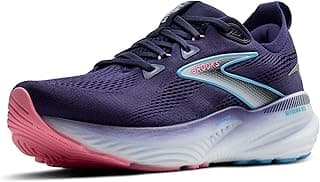
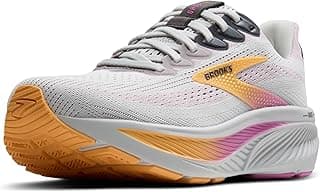
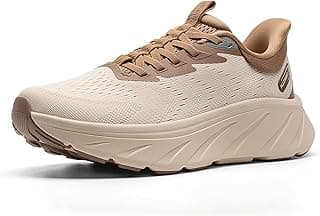
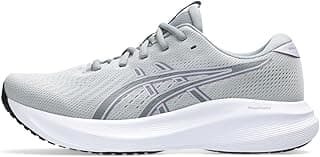
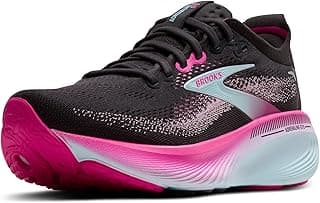
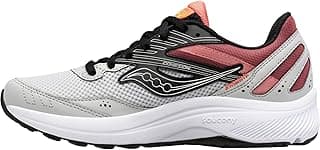
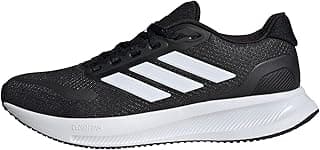
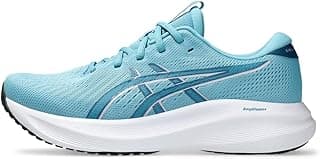
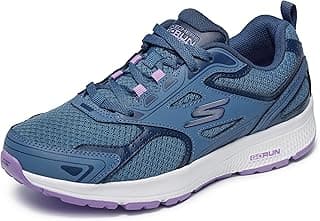
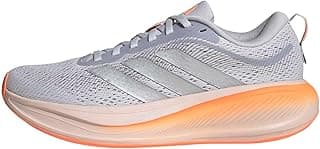
Buying Guide: Best Women's Stability Running Shoes
Many women searching for stability running shoes worry about picking a pair that truly supports their stride without causing discomfort or blisters during longer runs. The good news is that focusing on a few key factors can help you find options that match your needs, reducing the guesswork and helping you run more confidently.
Understanding Stability Features
Stability shoes are designed to guide your foot into a neutral position, which helps if you tend to overpronate—meaning your foot rolls inward excessively. In real use, this prevents strain on knees and ankles during runs on varied surfaces.
- Look for medial posts or firmer midsoles on the inner side for subtle correction.
- If you have mild overpronation, then shoes with guide rails work well without feeling restrictive.
- Avoid overly rigid setups if you're a neutral runner, as they can lead to fatigue.
Choosing the Right Cushioning Level
Cushioning absorbs impact, which matters most for joint protection on pavement or trails. Too little leaves you sore; too much can feel unstable for faster paces.
- For daily training runs over 5 miles, opt for moderate cushioning around 25-35mm stack height.
- If you're training for marathons, then higher cushioning helps with fatigue on longer distances.
- Test in-store by doing a short jog to ensure it feels responsive, not mushy.
Prioritizing Proper Fit and Sizing
A poor fit leads to blisters or slippage, especially since women's feet can swell up to 0.5 sizes during runs. Stability models often run narrower for support, so accuracy is key.
- Choose half a size up from your dress shoes and use the thumb's width of space at the toe.
- If you have wide feet, then seek wide-width options to avoid pinching.
- Always try on with running socks and consider returns for real-road testing.
Evaluating Heel-to-Toe Drop
The drop—difference in height between heel and forefoot—affects your stride. Lower drops promote midfoot landing, while higher ones suit heel strikers.
- For most women with natural heel striking, a drop of 8-12mm feels comfortable and stable.
- If transitioning to forefoot running, then try 4-8mm gradually to avoid calf strain.
- Match it to your gait: higher for beginners, lower for experienced runners.
Durability and Outsole Grip
Shoes wear out faster under stability demands, so outsole rubber quality determines longevity—typically 300-500 miles for good pairs.
- Look for thick, durable rubber in high-wear zones like the heel and forefoot.
- If running on wet roads or trails, then prioritize multi-directional lugs for grip.
- Rotate pairs to extend life and maintain stability support.
Weight and Responsiveness
Lighter shoes boost speed and efficiency, but stability often adds ounces. For most users, balance matters more than minimal weight.
- Aim for 8-10 ounces per shoe in women's sizes for versatile performance.
- If speedwork is your focus, then prioritize responsive foams over heavy stability posts.
- Heavier builds suit slower, endurance runs where support trumps pace.
Breathability and Upper Comfort
During sweaty runs, a breathable upper prevents overheating and rubbing. Engineered meshes outperform basic fabrics in hot conditions.
- Seek seamless constructions to minimize irritation on longer outings.
- If you run in variable weather, then consider uppers with good water resistance without sacrificing airflow.
- Check for secure heel lockdown to maintain stability without slippage.
Frequently Asked Questions About Women's Stability Running Shoes
What are the best women's stability running shoes for overpronators?
If you overpronate during runs, look for stability running shoes with medial posts or guide rails that gently correct your stride without feeling restrictive. These models excel on roads and light trails, offering reliable support for runs up to 20 miles. Most users notice less foot fatigue after switching, especially if you have flat feet or high arches.
How much do good women's stability running shoes cost?
Expect to pay between $120 and $160 for high-quality stability shoes that last 300-500 miles with regular use. In most cases, spending closer to $140 gets you better cushioning and durability, making them a worthwhile investment over cheaper options that wear out faster. Check for sales during running season to save 20-30% without sacrificing performance.
Are women's stability running shoes safe for long-distance running?
Yes, they enhance safety by reducing injury risk from overpronation, like shin splints or IT band issues, through targeted arch support and firm midsoles. Runners often report fewer aches after 10+ mile runs compared to neutral shoes. Always pair them with proper socks and gradual mileage increases for optimal safety.
How do stability running shoes compare to neutral ones for women?
Stability shoes provide extra medial support to prevent excessive inward rolling, ideal if you need pronation control, while neutral shoes suit those with balanced gaits. If you're prone to ankle rolls or knee pain, stability models outperform neutrals in guided motion and energy return. Test both in-store if possible to feel the difference in your stride.
What should I look for when buying the best stability running shoes for women?
Prioritize a firm heel counter, responsive foam midsoles, and a roomy toe box for comfort during longer runs. Shoes with 8-10mm heel-to-toe drops work well for most women transitioning from daily trainers. Focus on fit over hype—your heel shouldn't slip, and toes should have wiggle room to avoid blisters.
Conclusion
When selecting the best women's stability running shoes, prioritize cushioning, support, and a secure fit tailored to your gait and terrain. Shoes with medial posts or guide rails effectively reduce overpronation, promoting smoother runs and fewer injuries.
With these key factors in mind, you're equipped to make a confident choice. Consider your specific needs—like distance or surface type—and pick the model that aligns best. Lace up, hit the road, and enjoy more stable, enjoyable miles ahead.