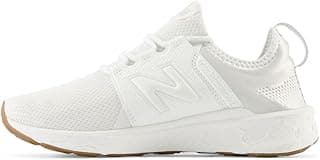
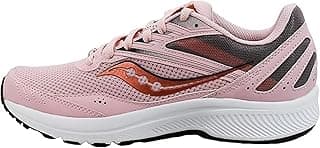
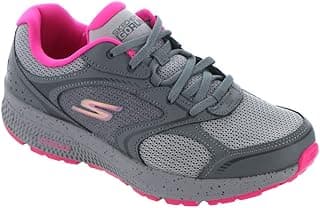
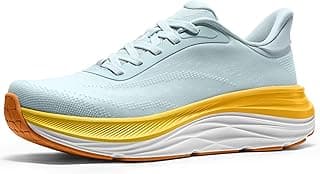
Buying Guide: Best Women's Cushioned Running Shoes
Choosing cushioned running shoes often feels overwhelming with so many options promising comfort and support. Many women worry about finding a pair that truly absorbs impact during longer runs without causing blisters or fatigue, especially if you're transitioning from minimalist styles or dealing with varied terrains.
Cushioning Type and Stack Height
Cushioning is the core feature that protects joints and muscles from road shock, making it essential for high-mileage runners or those on hard surfaces. In real use, softer foams excel at plush comfort for recovery runs, while firmer midsoles offer stability for faster paces.
- If you prioritize maximum impact absorption, look for shoes with a stack height over 30mm in the heel.
- Avoid overly soft cushioning if you need responsiveness; test for a balance that feels energetic underfoot.
- For most users logging 20-40 miles weekly, mid-stack options around 25-35mm provide versatile daily comfort.
Fit and Sizing Considerations
A proper fit prevents common issues like heel slippage or numb toes, which can sideline runs. Women's feet often need a wider toe box for natural splay during strides, and sizing can vary due to foot swelling on longer outings.
- Opt for a half-size up from your everyday shoes, as feet expand by up to 0.5cm during runs.
- If you have wide feet, choose models labeled for broader fits to avoid black toenails.
- Always try on in the afternoon when feet are naturally larger, and ensure 1 thumb's width of space at the toe.
Heel-to-Toe Drop
The drop, or height difference between heel and forefoot, affects Achilles strain and calf fatigue. A higher drop eases transition for heel strikers, while lower drops suit midfoot landers seeking a more natural gait.
- If you're new to cushioned shoes or prefer heel striking, select a drop of 8-12mm.
- For experienced runners favoring forefoot landing, a 4-8mm drop often feels more efficient.
- Test both in-store; most women find 8-10mm versatile for mixed training.
Weight and Responsiveness
Lighter shoes reduce leg fatigue on tempo runs, but heavier ones with more cushioning suit easy miles. Balance matters—too light might sacrifice durability, while excess weight slows you down.
- Aim for under 9 ounces per shoe if speedwork is key.
- If comfort trumps pace, shoes around 9-11 ounces handle daily training well.
- Check bounce-back feel; responsive foams keep energy high even on longer efforts.
Durability and Outsole Grip
Shoes that wear out quickly mean frequent replacements, hiking costs over time. A rubber outsole with good traction maintains performance on wet pavement or light trails.
- Look for outsoles covering 50% or more of the midfoot for even wear.
- If running on roads mostly, prioritize flexible rubber; for mixed surfaces, seek lugs under 4mm.
- Expect 300-500 miles lifespan from quality builds, rotating pairs to extend it.
Breathability and Upper Design
Hot feet lead to blisters, especially in warmer climates or during intense sessions. Engineered mesh uppers promote airflow without sacrificing structure.
- Choose seamless uppers if prone to irritation; they reduce friction hotspots.
- For rainy runs, a gusseted tongue adds water resistance without bulk.
- In most cases, highly breathable meshes keep feet cooler than thicker knits.
Price and Value Assessment
Cushioned shoes range widely in cost, but higher prices don't always mean better fit for your needs. Focus on features matching your routine to avoid overspending.
- If you're a casual runner, $100-130 options deliver solid cushioning.
- For frequent trainers, invest $140-170 for longer-lasting foams and outsoles.
- Time sales but prioritize fit over discounts; returns make trial low-risk.
Frequently Asked Questions About Women's Cushioned Running Shoes
What are the best women's cushioned running shoes for everyday use?
For daily runs on pavement or trails, look for shoes with plush foam midsoles that absorb impact without feeling mushy. In most cases, models with 25-35mm stack height offer the right balance of cushioning and responsiveness for women averaging 20-40 miles weekly. Prioritize a secure heel fit to prevent blisters during longer sessions.
How much do good cushioned running shoes for women typically cost?
Expect to pay $100-160 for quality cushioned options that last 300-500 miles. If you're on a budget, mid-range pairs around $120 often deliver excellent shock absorption without skimping on durability. Higher prices usually mean premium foams that recover faster between runs, but test the value based on your mileage.
Are cushioned running shoes safe for women with joint issues?
Yes, these shoes excel at reducing stress on knees and hips thanks to their thick, energy-returning cushioning layers. Women with mild pronation or shin splints often report less pain after switching, but pair them with proper form to avoid over-reliance. If you have severe issues, consult a specialist before committing to high-cushion styles.
How do I know if women's cushioned running shoes fit properly?
Try them on in the afternoon when feet swell, aiming for a thumb's width of space at the toe and no heel slippage. Most fit true to size, but wider feet may need half-size ups for comfort on long runs. Walk and jog in-store to check for hot spots—proper fit prevents injuries better than cushioning alone.
What makes the top cushioned shoes for female runners more efficient?
Superior models use responsive foams that propel you forward, saving energy on tempo runs compared to stiff alternatives. They often weigh under 9 ounces per shoe, making them ideal for speedwork without sacrificing protection. For efficiency, choose ones with rockered outsoles that smooth your stride from heel to toe.
Conclusion
Choosing the best women's cushioned running shoes comes down to balancing ample cushioning, responsive support, and a snug fit tailored to your stride and terrain. Prioritize models with plush midsoles that absorb impact while promoting natural movement, ensuring comfort mile after mile.
With these key factors in mind, you're equipped to make a smart, confident decision. Take a moment to match your needs with the right pair, and step into runs that feel supportive and energizing. Your ideal shoes are waiting to elevate your performance.