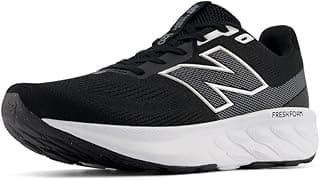
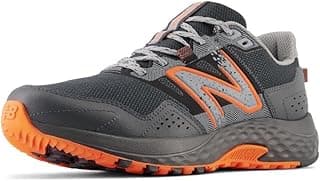
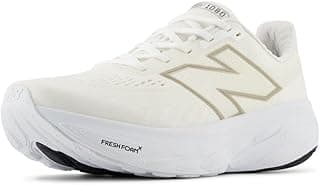
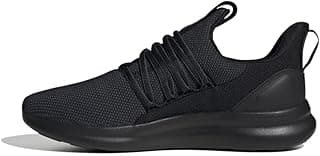
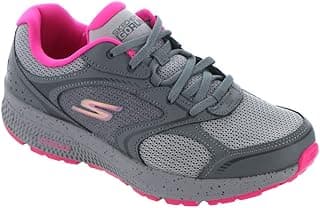
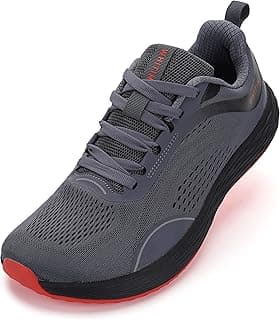
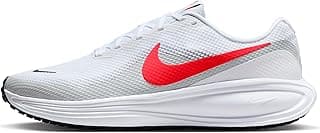
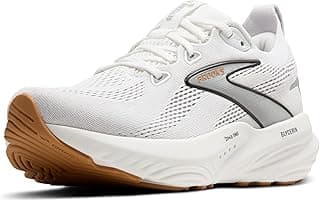
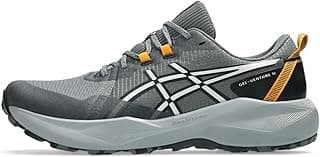
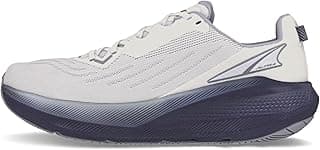
Buying Guide: Finding the Best Wide Running Shoes
Many runners with wider feet struggle to find shoes that fit comfortably without causing blisters or hotspots during long runs. Narrow designs dominate the market, but options in wide running shoes do exist, and choosing thoughtfully can make a big difference in your comfort and performance.
Width Sizing and Fit
Width is the starting point for wide running shoes since a poor fit leads to discomfort or injury over time. Standard widths like D for men or B for women often feel cramped for broader feet.
- Opt for 2E or 4E widths if you have significantly wider forefeet.
- Try shoes on in the afternoon when feet swell naturally for a realistic fit.
- If your heels slip but toes have room, consider adjustable lacing techniques before sizing up length.
Cushioning and Support
Adequate cushioning absorbs impact on varied surfaces, while support prevents overpronation common in wider feet. Too little padding fatigues muscles quickly; too much feels unstable.
- Look for 8-12mm heel-to-toe drop for most heel strikers.
- Choose moderate stack heights around 25-35mm in the heel for balance.
- If you run trails, prioritize firmer midsoles for stability over plush softness.
Upper Material and Breathability
The upper affects how the shoe molds to your foot and manages moisture. Stiff materials pinch wide feet, while breathable ones prevent overheating on hot days.
Engineered meshes generally work well for flexibility and airflow. If you run in wet conditions, select water-resistant options without sacrificing ventilation.
Outsole Durability and Traction
A durable outsole withstands mileage without wearing thin, crucial for consistent training. Traction matters for grip on roads, tracks, or light trails.
- Seek rubber compounds covering at least 70% of the outsole for longevity.
- For road runners, smoother lugs suffice; trail users need deeper patterns.
- Avoid overly flexible outsoles if you need stability for wider feet.
Weight and Responsiveness
Lighter shoes reduce fatigue on long runs, but wide versions often weigh more due to extra materials. Balance lightness with the cushioning your feet require.
Aim for under 10 ounces per shoe for most users. If speedwork is your focus, prioritize responsive foams; for daily miles, slightly heavier stability models perform reliably.
Price and Value
Wide running shoes range from budget to premium, but higher cost doesn't always mean better fit. Focus on warranty and return policies to test real-world comfort.
- Expect to pay $100-160 for quality options with good cushioning.
- If you're a beginner, start mid-range to avoid overspending on untested features.
- Check for replaceable insoles, as they extend usability for wide feet prone to wear.
Testing and Break-In Period
Even well-fitted wide running shoes need a break-in phase. Rushing into long runs risks discomfort.
Walk or jog short distances first. If possible, buy from retailers with generous return windows—most feet settle after 10-20 miles.
Frequently Asked Questions About Wide Running Shoes
What are the best wide running shoes for preventing blisters and discomfort?
The best wide running shoes prioritize extra toe box space and breathable uppers to reduce friction during long runs. If you have wider feet, opt for models with at least 1E or 2E width ratings to avoid blisters, especially on uneven trails. In most cases, users report fewer hot spots after switching to properly fitted wide options.
How much do good wide running shoes typically cost?
Quality wide running shoes usually range from $100 to $160, depending on cushioning and durability features. If you're on a budget, look for sales on mid-tier models around $110 that still offer solid support without skimping on width. Higher-priced pairs often justify the cost with longer-lasting midsoles for high-mileage runners.
Are wide running shoes safe for overpronators or those needing stability?
Yes, many wide running shoes come in stability versions with medial posts to guide your foot safely during overpronation. Prioritize ones with firm heel counters if safety on roads or tracks is a concern, as they help prevent ankle rolls. Most users with wide feet find these keep them secure without feeling restrictive.
How do wide running shoes compare to regular width ones in performance?
Wide running shoes often match regular widths in energy return and cushioning but excel in comfort for broader feet, leading to better efficiency over long distances. If you switch from narrow fits, expect less fatigue since they allow natural toe splay for improved propulsion. They're comparable in speed for most runners, though some stability models add slight weight.
What should I check for fit when buying wide running shoes online?
Measure your foot width at the widest point and add about a thumb's width for toe room, then select based on the brand's width chart. Wide running shoes should feel snug in the midfoot but roomy upfront—try them with your usual running socks. If possible, order during evening hours when feet are slightly swollen for the most accurate fit.
Conclusion
Choosing the best wide running shoes comes down to prioritizing ample toe box space, responsive cushioning, and a secure fit that supports your stride without constriction. Key factors like durability and breathability ensure lasting comfort on every run.
With these essentials in mind, you're equipped to make a confident decision tailored to your needs and foot shape. Take a moment to match your preferences with the right model—your next great run awaits.