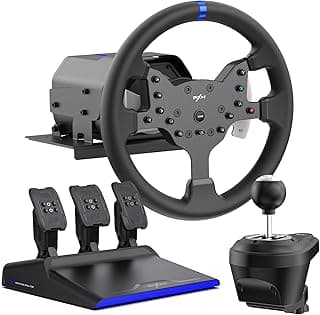
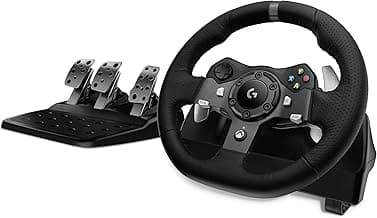
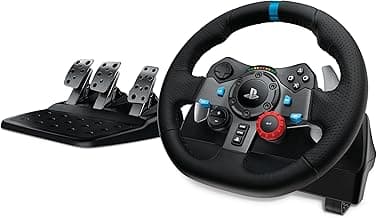
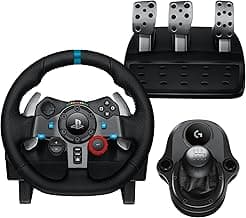
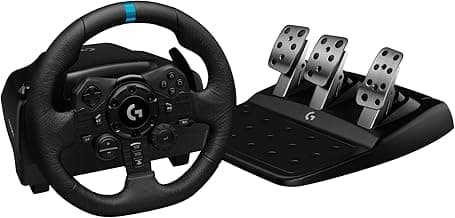
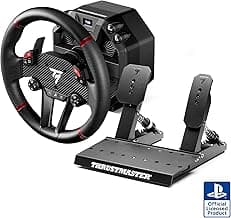
Buying Guide: Finding the Right Wheel and Pedal Set
Choosing among the best wheel and pedal sets can feel overwhelming with so many options promising immersive racing experiences. Many buyers worry about compatibility, setup complexity, or whether the investment matches their playtime. This guide breaks down the key factors to focus on, helping you match a set to your space, budget, and gaming habits without common pitfalls.
Wheel Size and Turning Angle
Wheel diameter and rotation range directly affect how natural the driving feels during races. A larger wheel, like 11 to 15 inches, suits simulation enthusiasts craving realism, while smaller ones work better in tight desks.
- If you play casual arcade games, opt for 280-degree turns to avoid over-correction.
- For serious sim racing, choose 900-degree or more to mimic real cars.
Avoid sets locked at fixed angles if you switch genres, as adjustability prevents frustration in varied sessions.
Pedal Force and Brake Performance
Pedals need to deliver progressive resistance so you can modulate throttle and brakes precisely. Load-cell brakes, common in higher-end sets, provide realistic pressure up to 100kg, essential for trail braking in corners.
- For beginners, basic potentiometer pedals suffice if your focus is fun over precision.
- Upgrade to hydraulic or load-cell options if you compete online, as they reduce wear from heavy stomping.
Test pedal spacing if you have larger feet—cramped layouts lead to missed inputs during intense laps.
Force Feedback Strength
Direct drive or belt-driven force feedback recreates road texture, curbs, and tire grip. Peak torque around 5-20Nm covers most users, with higher for detailed sensations like ABS kickback.
If your rig is lightweight, start lower to avoid wobbling; heavier setups handle stronger feedback without safety issues. Gear-driven wheels often suffice for budgets but can feel notchy—belt or direct drive smooths this out for longer sessions.
Compatibility and Platform Support
Not all sets work seamlessly across PC, consoles, or handhelds. Check for native support to skip adapters that introduce lag.
- PC gamers have the widest choices; console users should prioritize certified models.
- If you own multiple systems, universal USB connectivity simplifies switching.
Verify firmware updates—outdated software strands sets as your games evolve.
Build Quality and Desk Mount Options
Durable materials like metal bases and clamps prevent slippage during hard steering. Desk clamps suit apartments, while wheel stands offer stability for dedicated spaces.
If renting or moving often, choose lightweight alloys under 15kg total. Test clamp grip on your surface—weak ones risk crashes mid-race, but sturdy ones install in under 10 minutes without tools.
Budget and Value Over Time
Sets range from $150 entry-level to over $1000 pro-grade. Factor in expandability—starting affordable lets you add pedals later.
- For 1-2 hours weekly, mid-range ($300-600) balances features and cost.
- Daily racers benefit from investing upfront in modular systems that grow with skill.
Noise from gears or fans matters in shared homes; quieter direct drive models keep peace without sacrificing feel.
Setup Ease and Safety Considerations
Modern sets plug-and-play with auto-calibration, easing first-time fears. Secure mounting eliminates tipping risks, even at full lock.
Read user manuals for cable management—tangled wires cause trips. If space is tight, compact profiles under 12 inches deep fit most desks safely.
Frequently Asked Questions About Wheel and Pedal Sets
What are the best wheel and pedal sets for beginners on a budget?
If you're just starting out, look for entry-level wheel and pedal sets under $300 that offer smooth steering and responsive pedals without unnecessary extras. These kits typically provide good value by focusing on reliable force feedback and sturdy build quality, making them ideal for casual sim racing at home. In most cases, they install easily and deliver enough immersion for learning tracks without breaking the bank.
How much do quality wheel and pedal sets really cost?
Expect to spend anywhere from $200 for basic setups to over $800 for advanced models with strong force feedback and metal pedal plates. Mid-range options around $400-600 strike the best balance for serious users, offering durability and features like adjustable pedal tension that last through heavy use. Factor in your play frequency—casual gamers can save by skipping premium belts or direct drive systems.
Are wheel and pedal sets safe for home use?
Most modern wheel and pedal sets are designed with safety in mind, featuring secure clamp mounts and non-slip pedal bases to prevent slipping during intense sessions. If you have a dedicated rig, opt for sets with adjustable resistance to avoid strain on your setup or furniture. Always check the clamp strength for your desk thickness, as this ensures stability even in high-speed virtual races.
How easy is installation for wheel and pedal sets?
Installation usually takes 15-30 minutes with basic tools like a screwdriver, as most sets come with clear instructions and universal desk clamps. Plug-and-play USB connectivity means they work out of the box with popular sim platforms, though you might need to tweak software settings for optimal calibration. If your space is tight, choose compact pedals that fold away easily after setup.
How do different wheel and pedal sets compare in performance?
Entry-level sets prioritize affordability with gear-driven wheels for decent feedback, while higher-end ones use belt or direct drive for more precise control and realism. Pedal quality varies too—look for load cell brakes in mid-tier kits for authentic braking feel without extra cost. Compare based on your needs: casual play favors simpler, quieter options, but enthusiasts benefit from sets with customizable force and multiple pedal modes.
Conclusion
Choosing the best wheel and pedal sets comes down to balancing precision, build quality, compatibility, and your budget. Key factors like force feedback strength, pedal durability, and realistic ergonomics ensure an immersive driving experience tailored to sim racing or casual play.
With the right priorities in mind, you're well-equipped to make a confident decision. Take a moment to match these essentials to your setup, and select the model that fits your needs perfectly for endless hours of enjoyment.