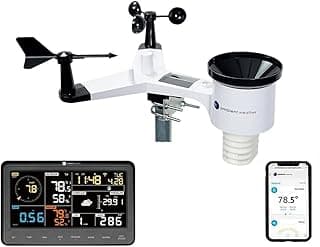
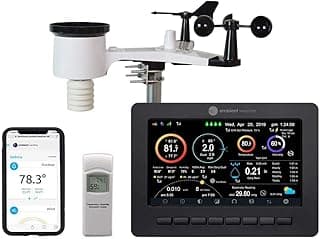
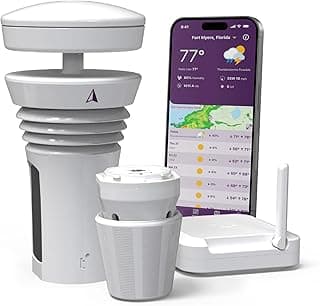
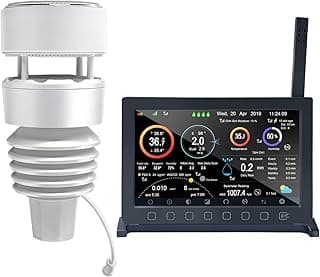
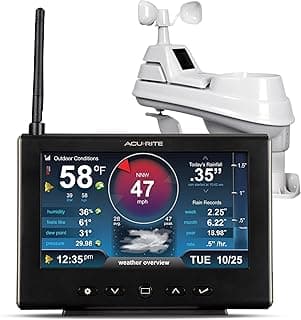
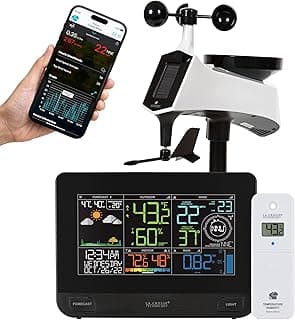
Buying Guide: Choosing the Best Weather Station with Sensor
Many people shopping for a weather station with sensor feel overwhelmed by the options, wondering which sensors truly deliver reliable backyard readings without constant maintenance or high costs. This guide breaks down the key factors to focus on, helping you match features to your needs for accurate, hassle-free monitoring.
Sensor Types and Coverage
Sensors are the heart of any weather station, capturing data like temperature, humidity, wind speed, rainfall, and UV levels. In real use, having the right mix prevents blind spots—for instance, if you garden, rainfall and soil moisture sensors help track watering needs precisely.
- Opt for stations with 5–10 sensors if monitoring a larger property; fewer suit small yards.
- If extreme weather is common in your area, prioritize anemometers and rain gauges over basic thermo-hygrometers.
- Avoid setups with too many specialized sensors unless you need them, as they can complicate setup and increase battery drain.
Wireless Range and Connectivity
A strong wireless range ensures remote sensors send data reliably to your display or app, especially if sensors are placed far from the base unit. For most users, this means fewer signal dropouts during storms or over distance.
- Choose 300–1000 feet range for typical homes; extend with repeaters if your property is expansive.
- If you want app integration for remote checks, look for Wi-Fi or cellular options over basic RF signals.
- Test placement during setup—obstacles like thick walls can halve effective range, so position the base centrally.
Accuracy and Calibration Needs
Real-world accuracy matters for decisions like protecting plants from frost or planning outdoor events. Sensors drift over time due to exposure, so models with easy calibration keep readings trustworthy.
If precision is key for hobbies like meteorology, select stations with factory-calibrated sensors rated to ±0.5°F for temperature and ±3% for humidity. For casual use, ±2°F tolerance works fine and avoids frequent adjustments.
Power Source and Battery Life
Sensors often run on batteries or solar power, impacting long-term costs and reliability. In rainy climates, solar alone may falter, leading to data gaps.
- Go for hybrid solar-AA battery setups for 1–2 year life between changes in most cases.
- If sensors are in shaded spots, prioritize models with USB-rechargeable options over pure solar.
- Check for low-battery alerts to prevent surprises—reliable power keeps your station running through power outages.
Durability and Weather Resistance
Outdoor sensors face harsh conditions, so build quality determines lifespan. Plastic housings crack in freezes, while metal components rust without protection.
Look for IPX-rated enclosures—at least IP65 for rain and dust resistance. If you live in windy or coastal areas, reinforced mounts reduce replacement needs. For most users, UV-stabilized materials hold up well for 3–5 years with minimal upkeep.
Display and Data Features
The console or app display turns raw data into insights like forecasts or graphs. A cluttered interface frustrates daily checks, while intuitive ones encourage regular use.
- Choose color LCDs with backlighting for easy nighttime reading if indoors.
- If analyzing trends matters, select units with data logging for 12+ months history.
- For families, simple apps with alerts for rain or frost improve practicality over advanced dashboards.
Installation and Maintenance Ease
Setup should take under an hour, with clear instructions to avoid frustration. Ongoing maintenance like cleaning sensors keeps accuracy high without much effort.
If you're not handy, pick modular designs that snap together—no tools needed. In most cases, mounting poles on roofs or poles works best for wind data. Schedule bi-annual checks to clear debris, extending sensor life and reliability.
Frequently Asked Questions About the Best Weather Station with Sensor
What should I consider for cost when buying a weather station with sensor?
Entry-level weather stations with sensors typically start around $100-$200, offering basic temperature, humidity, and wind readings, while advanced models with multiple sensors can reach $400-$800 for features like rain gauges and UV monitoring. Factor in ongoing costs like replacement batteries or optional expansion sensors, which add $20-$50 yearly. If you're monitoring a small yard, stick to mid-range options to balance value without overspending on unused features.
Are weather stations with sensors safe for home use?
Most modern weather stations with outdoor sensors are designed with weatherproof casings and grounded components to handle rain, wind, and temperature extremes safely. In most cases, they use low-voltage solar or battery power, minimizing electrical risks, but always mount the sensor array away from power lines or rooftops with metal flashing to avoid lightning strikes. Check for IP-rated enclosures (like IPX4 or higher) if you live in a stormy area for added protection.
How easy is installation for a weather station with remote sensor?
Installation usually takes 30-60 minutes: mount the sensor array on a pole 4-6 feet off the ground in an open area away from buildings, then connect wirelessly to the indoor display unit. You'll need basic tools like a drill and screws, but many include tripod mounts for simplicity—no wiring required in wireless models. If your setup involves a taller mast, enlist a helper for stability, and follow the manual's spacing guidelines between sensors for accurate readings.
How accurate and efficient are top weather stations with sensors?
High-quality stations with anemometers, hygrometers, and barometers deliver accuracy within 5% for most metrics when properly placed, updating data every 15-60 seconds for real-time efficiency. They often include apps for remote viewing, conserving battery life through solar options that last 1-2 years without replacement. Efficiency shines in automated alerts for frost or high winds, helping you act quickly without constant checking.
How do the best weather stations with sensors compare in features?
Basic models focus on core sensors for temperature, humidity, and wind speed, while premium ones add soil moisture probes, lightning detectors, and long-range wireless up to 300 feet for larger properties. Solar-powered versions outperform battery-only in efficiency for remote setups, and those with expandable hubs let you add sensors later. Choose based on your needs—if simple backyard monitoring suffices, a 5-in-1 sensor array covers essentials without excess complexity.
Conclusion
Choosing the best weather station with sensor comes down to reliable accuracy, durable sensors, and seamless data integration for your needs. We've covered the essentials: robust build quality, real-time monitoring, and user-friendly apps that make tracking weather straightforward.
With these key factors in mind, you're well-equipped to make a confident decision. Consider your setup and priorities, then select the model that fits best. Start enjoying precise weather insights today.