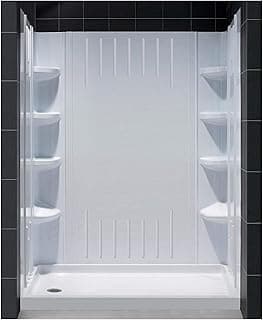
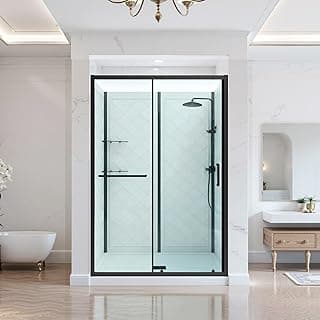
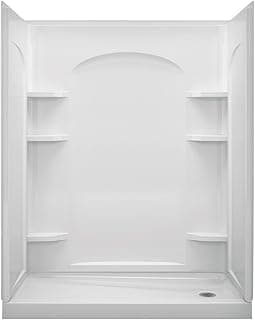
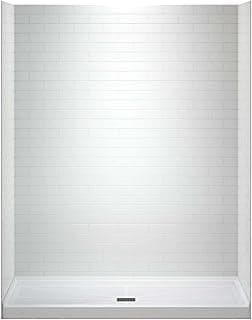
Buying Guide: How to Choose the Right Walk-In Shower Kit
Many homeowners hesitate when considering walk-in shower kits, worried about fitting one into their space or tackling the installation themselves. The good news is that with a clear understanding of key factors, you can select a kit that suits your bathroom layout, budget, and lifestyle without unnecessary complications.
Size and Dimensions
Size directly impacts comfort and usability, especially in smaller bathrooms where space is tight. A kit that's too large can overwhelm the room, while one too small feels cramped during daily use.
- Measure your space precisely, including door swing and fixture clearance—aim for at least 30x30 inches for basic functionality.
- If you have mobility concerns, opt for wider doors (28 inches or more) and deeper bases for safer entry.
- For most users, neo-angle or corner units work well in compact areas, freeing up floor space.
Material and Build Quality
Durability matters because shower kits face constant moisture, temperature changes, and cleaning. Lower-quality materials can lead to cracks, mold, or fading over time, increasing long-term costs.
- Choose acrylic or fiberglass bases for their resistance to water damage and ease of cleaning—they hold up well in everyday households.
- Look for reinforced walls with thick acrylic (0.25 inches or thicker) to prevent flexing or warping.
- Avoid thin, brittle composites if you plan heavy use; they may need replacing sooner.
Door and Enclosure Type
The door style affects both accessibility and maintenance. Swing doors offer a traditional look but require clearance space, while sliding doors maximize entry width in tight spots.
- If mobility is a priority, select frameless or semi-frameless sliding doors for a wider opening and easier step-in.
- For smaller bathrooms, bypass sliders are practical as they don't protrude into the room.
- Check track quality—smooth-rolling aluminum tracks prevent sticking and leaks over time.
Safety Features
Safety reduces slip risks and eases use for all ages, particularly in households with children or seniors. Basic kits may lack these, leading to avoidable accidents.
- Prioritize textured or slip-resistant flooring with a high coefficient of friction rating.
- If installing a seat, ensure it's molded-in or fold-down with a weight capacity of at least 300 pounds.
- Grab bars are often optional—add them if balance is a concern, as they integrate seamlessly with most kits.
Installation Requirements
Installation complexity varies, but many kits are designed for DIYers with basic tools, saving on professional fees that can exceed $1,000.
- If you're handy, choose prefab units that bolt together over tile-ready bases requiring custom work.
- Verify if the kit needs a pre-sloped subfloor—flat floors often need adjustments to prevent water pooling.
- For renters or quick renos, leak-proof, one-piece designs install in a weekend with minimal plumbing changes.
Waterproofing and Drainage
Effective sealing prevents leaks that damage floors or walls. Poor drainage leads to standing water, promoting mold in humid climates.
- Seek kits with integrated curbs or low-threshold bases and pre-drilled drain holes for simple setup.
- Ensure silicone seals and gaskets are high-quality to withstand years of exposure.
- In flood-prone areas, elevated thresholds (1-2 inches) add protection without sacrificing accessibility.
Budget and Long-Term Value
Costs range widely, but focusing on value helps avoid cheap kits that fail quickly or overpriced ones with unused features.
- Expect to pay $800-$2,500 for reliable options—balance this with warranties of at least 10 years on the shell.
- If budget is tight, prioritize core durability over extras like multiple shelves.
- For high-traffic homes, invest in thicker materials to extend lifespan and reduce replacement needs.
Frequently Asked Questions About Walk-In Shower Kits
What are the best walk in shower kits for safety features?
Safety-focused walk-in shower kits typically include low-threshold bases under 1 inch high and built-in grab bars for stability, which are essential if you have mobility concerns or want to age in place. Look for textured, slip-resistant floors and optional fold-down seats to prevent accidents during use. In most cases, these features make daily showers much safer without needing major bathroom renovations.
How much do quality walk in shower kits cost?
Expect to pay between $800 and $3,000 for a complete walk-in shower kit, depending on size, materials like acrylic or fiberglass, and added features such as multiple showerheads. Basic neo-angle kits start lower around $800, while larger or premium options with better water efficiency climb higher. Factor in installation costs of $500–$1,500 if you're not DIYing, making total budgets realistic for most homeowners.
Are walk in shower kits easy to install for beginners?
Many walk-in shower kits are designed for DIY installation and can be completed in a weekend if you have basic tools like a drill and level, especially prefab units that snap together. Professional help is wise if your space requires plumbing adjustments or wall modifications, as improper leveling can lead to leaks. Always check the kit's instructions for your specific floor type to ensure a smooth process.
How do walk in shower kits compare to traditional showers?
Walk-in shower kits offer superior accessibility with no curbs and open layouts, outperforming traditional tub-shower combos for ease of entry, especially for seniors or those with limited mobility. They often use less water due to efficient rainfall heads and compact designs, saving on bills compared to older setups. Maintenance is simpler too, as seamless walls resist mold better than tiled traditional showers.
What makes a walk in shower kit efficient for everyday use?
Efficient walk-in shower kits feature low-flow showerheads that use 1.8 gallons per minute or less while maintaining strong pressure, helping cut water and energy costs over time. Compact corner or alcove designs maximize small bathroom space without sacrificing comfort, and quick-drain floors prevent standing water. Choose units with thermostatic valves for consistent temperature, reducing adjustment time during busy mornings.
Conclusion
Choosing the best walk in shower kits comes down to prioritizing safety features like grab bars, water-resistant materials, and easy-to-clean designs that fit your space and budget. Focus on kits with strong warranties and straightforward installation to ensure long-term satisfaction and minimal hassle.
You now have the insights to make a confident decision tailored to your needs. Take a moment to match these key factors with your bathroom setup, and select the model that enhances your daily routine seamlessly.