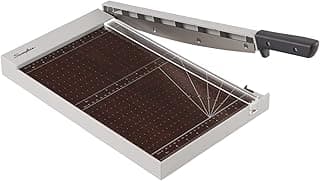
Buying Guide: Best Swingline Paper Trimmers
Choosing among the best Swingline paper trimmers often feels overwhelming with options varying in size, features, and price. Many buyers worry about picking one that's either too flimsy for regular use or overly bulky for their space. This guide breaks down the key factors to focus on, helping you match a trimmer to your actual needs without common pitfalls.
Cutting Capacity and Paper Size
Cutting capacity determines how many sheets you can trim at once and the maximum paper width, directly affecting efficiency in real-world tasks like crafting or office prep.
- If you handle 10-15 sheets occasionally, opt for a standard capacity to keep things compact.
- For frequent bulk trimming, choose models supporting 20-30 sheets and up to 12-15 inches wide to avoid multiple passes.
- Avoid overkill on capacity if space is tight, as larger trimmers take up more desk room without added benefit for light use.
Blade Type and Cutting Mechanism
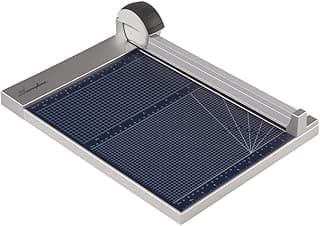
The blade style impacts precision and ease, especially for straight edges versus decorative cuts in everyday projects.
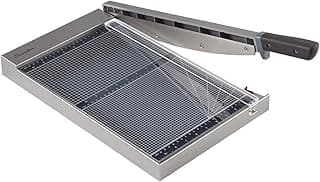
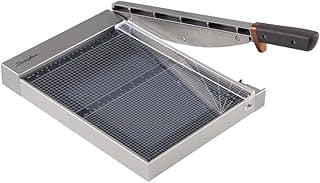
- Guillotine blades work well for clean, straight trims on standard paper in most cases.
- If you need angled or wavy edges, look for interchangeable heads that swap easily.
- Steer clear of dull or fixed blades; test sharpness indicators if available to ensure long-term reliability.
Safety Features
Safety matters most during repeated use, preventing accidents without complicating operation.
- Prioritize models with blade guards and locking mechanisms, especially if kids or shared workspaces are involved.
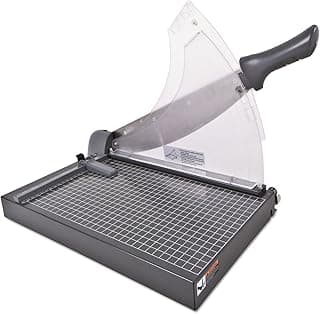
- Many include transparent clamps to hold paper steady, reducing slips in typical home or office setups.
- These features add minimal cost but provide peace of mind, so they're worth including for most users.
Build Quality and Durability
A sturdy build handles daily wear, ensuring the trimmer lasts through years of use rather than breaking after a few months.
- Metal bases and reinforced rails offer better stability than plastic for heavier loads.
- If portability matters, choose lightweight aluminum frames that still resist warping.
- Check alignment guides for smooth operation; poor ones lead to uneven cuts over time.
Size and Portability
Trimmer dimensions affect where it fits, balancing functionality with your available space.
- Compact models under 18 inches long suit desks or storage shelves for occasional users.
- Larger ones around 24 inches provide extended cutting lengths but need dedicated counter space.
- If you move it often, handles and foldable designs make transport simpler without sacrificing performance.
Maintenance and Ease of Use
Low-maintenance designs save time and frustration, keeping the tool ready for quick jobs.
- Look for blades that replace easily without tools, ideal for high-volume cutting.
- Non-stick surfaces prevent paper jams, a common issue in humid environments.
- If you're new to trimmers, intuitive scales and measurements reduce setup errors right away.
By evaluating these factors against your workflow—whether home crafts or office bulk jobs—you'll land on a Swingline paper trimmer that performs reliably without unnecessary extras.
Frequently Asked Questions About the Best Swingline Paper Trimmers
What should I consider when choosing the best Swingline paper trimmer for home use?
For home use, prioritize trimmers with a cutting length of 12 to 15 inches that handle everyday paper stacks without jamming. Look for models with self-sharpening blades to maintain clean cuts over time, and check user reviews for durability in light-duty tasks like crafting or school projects. In most cases, a guillotine-style trimmer offers the best balance of precision and ease for casual users.
How much do the best Swingline paper trimmers typically cost?
Expect to pay between $20 and $80 for reliable Swingline paper trimmers, depending on size and features like rotary versus guillotine mechanisms. Basic models under $40 work well for occasional use, while heavier-duty options around $60 provide better build quality and longer blade life. If you're trimming large volumes, investing in a mid-range model saves money long-term by reducing replacements.
Are Swingline paper trimmers safe for family use, especially around kids?
Most Swingline paper trimmers feature safety guards and blade locks that prevent accidental cuts, making them suitable for family environments if used properly. Always supervise children and store the trimmer with the blade covered when not in use. For extra peace of mind, choose models with transparent safety shields that let you see the cut line without exposing the edge.
What's the best way to set up and maintain a Swingline paper trimmer?
Setup is straightforward—most models unfold or assemble in under 5 minutes with no tools required, and they sit stably on any flat desk surface. To maintain efficiency, wipe the blade monthly with a soft cloth and align the paper guide regularly for straight cuts. If cuts become uneven, a quick blade lubrication with food-grade oil restores performance without disassembly.
How do Swingline paper trimmers compare in efficiency for office versus craft projects?
Swingline paper trimmers excel in offices for quick, precise cuts on stacks up to 20 sheets, outperforming handheld scissors in speed and alignment. For crafts, rotary blade versions handle photos and specialty papers more gently without tearing edges. Overall, they trim faster than alternatives for repetitive tasks, though portable models suit on-the-go needs better than larger desktop units.
Conclusion
When selecting the best swingline paper trimmers, focus on blade sharpness, cutting capacity, and ease of use to match your needs. These factors ensure clean, precise cuts for everyday or heavy-duty tasks.
You can feel confident in your choice by considering your volume and project types—there's a reliable option for every scenario. Take a moment to pick the model that fits best and elevate your trimming efficiency today.