Buying Guide: Finding the Right Suitcase for Your Travels
Choosing a suitcase can feel overwhelming with so many options, especially when you're worried about it cracking under pressure during a long trip or not fitting airline rules. This guide breaks down the key factors to consider, helping you match a bag to your travel style without common pitfalls like overspending on features you won't use.
Size and Capacity
Size determines what you can pack and whether it complies with airline restrictions. Carry-on bags typically max out at 22 x 14 x 9 inches including wheels, while checked luggage often goes up to 62 linear inches total. Why it matters: A bag too small leaves you repacking at the gate; too large racks up fees.
- If you travel light for short trips, opt for a 20-22 inch carry-on.
- For family vacations or longer stays, choose 24-28 inch checked bags with expandable sections for flexibility.
- Avoid oversized bags unless you ship gear, as they invite extra costs.
Material and Durability
The shell material affects how well the suitcase withstands rough handling by airport crews. Hard-sided polycarbonate or ABS shells resist impacts better than soft fabric, but soft-sided nylon offers more flexibility for overpacking. In real use, durable materials prevent zippers from splitting or wheels from snapping mid-journey.
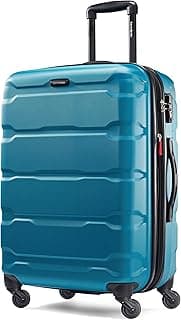
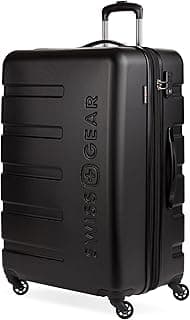
- Pick hard-sided if checking bags frequently—they dent less than you might think.
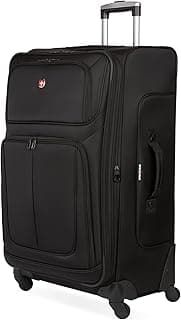
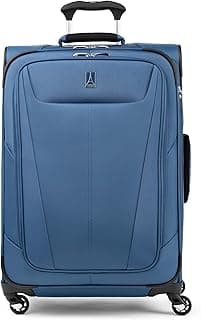
- Go soft-sided for easy access and compression if you're a carry-on traveler.
- Check for reinforced corners and sturdy zippers; test wheels by rolling a sample fully loaded.
Wheels and Maneuverability
Smooth-rolling wheels make navigating crowded airports less of a hassle. Four spinner wheels (360-degree rotation) outperform two-wheel models, especially on uneven surfaces. Why it matters: Faulty wheels turn a quick transfer into a dragging nightmare.
- Choose double spinner wheels for stability if you have heavy loads.
- Single spinners work fine for lighter carry-ons.
- Avoid fixed wheels—they limit turns and wear out faster.
Weight and Airline Compliance
An empty suitcase under 7 pounds for carry-ons leaves more allowance for clothes (most airlines cap at 22 pounds). Lighter designs help avoid gate-check surprises. Heavier bags suit overpackers but eat into your limit quickly.
- If flying budget carriers, prioritize under 6 pounds.
- For checked bags, 9-11 pounds is generally fine since weight limits are higher.
- Weigh a packed test bag at home to gauge real-world fit.
Organization and Features
Internal compartments keep clothes wrinkle-free and items accessible. Compression straps, mesh pockets, and tie-down panels help. External pockets are handy for quick passport grabs. In practice, these reduce unpacking time and lost items.
- If you pack suits or dresses, look for folding boards or suiters.
- Travelers with electronics need padded laptop sleeves.
- Skip excess pockets if minimalism is your style—they add weight without value.
Lock and Security
TSA-approved locks let agents inspect without breaking yours. Basic combo locks deter casual thieves. Why it matters: Peace of mind during layovers, especially internationally.
- Always choose TSA-compatible for U.S. flights.
- Add a steel cable lock for high-theft areas.
- Skip if you use packing cubes—contents stay organized anyway.
Handle Comfort and Ergonomics
A telescoping handle with multiple height settings prevents back strain. Padded grips feel better on long walks. Test extension smoothness—sticky ones fail over time.
- If you're taller or shorter than average, verify adjustable heights.
- One-touch locking is ideal for frequent stops.
- Avoid flimsy single-stage handles for checked bags.
Frequently Asked Questions About the Best Suitcase
What should I look for in the best suitcase for frequent travel?
Focus on durable materials like polycarbonate or ballistic nylon that resist cracks and tears from rough handling. Spinner wheels provide smooth maneuverability in crowded airports, while expandable designs offer flexibility for overpacking. In most cases, a hardside option with TSA-approved locks balances protection and security for your gear.
How much should I spend on a high-quality suitcase?
Expect to pay between $150 and $400 for a reliable piece that lasts years without frequent replacements. Cheaper models under $100 often compromise on wheel durability and zippers, leading to breakdowns on your second trip. If you're traveling often, investing in the mid-range gets you better value through lighter weight and stronger construction.
What's the most secure type of suitcase for air travel?
Hardshell suitcases with built-in TSA locks offer the best protection against unauthorized access and impacts from baggage handlers. Softside options with reinforced corners work well if you add a sturdy lock, but avoid flimsy zippers that can snag or break. For maximum safety, choose one with a scratch-resistant finish to keep it looking new longer.
How do hardside and softside suitcases compare for everyday use?
Hardside luggage excels in protecting fragile items like electronics due to its rigid shell, but it can show scuffs more easily. Softside bags provide better flexibility for overpacking and often include more exterior pockets for quick access. Your choice depends on priorities: go hardside for security, softside if you value expandability and lighter weight when empty.
Are lightweight suitcases worth it for long trips?
Yes, especially if you're near airline weight limits, as they let you pack more without fees—many under 7 pounds still offer full features like multiple compartments. Heavier models might feel sturdier but eat into your allowance quickly. Test the balance of weight savings against durability to avoid buying one that bends under heavy loads.
Conclusion
Choosing the best suitcase comes down to durability, lightweight design, ample storage, and smooth-rolling wheels that suit your travel style. We've covered the essential factors to help you prioritize what truly matters for reliable performance on every trip.
With these insights, you're equipped to make a confident decision tailored to your needs. Take a moment to match these key features with the right model, and enjoy stress-free journeys ahead.