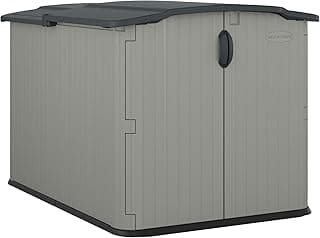
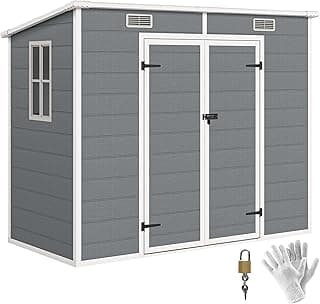
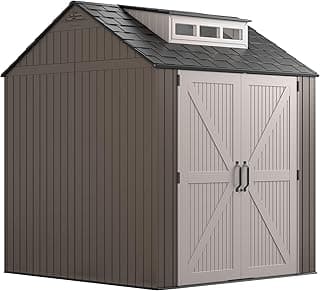
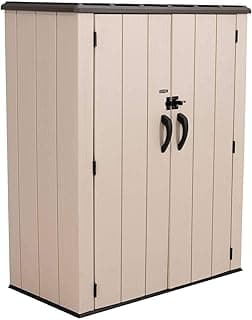
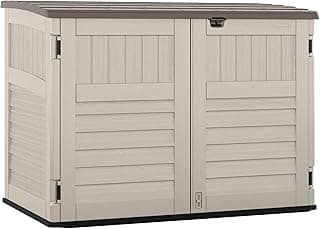
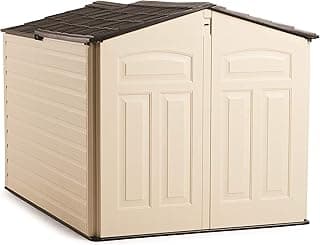
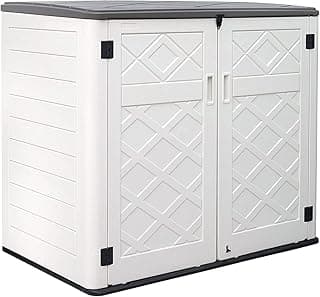
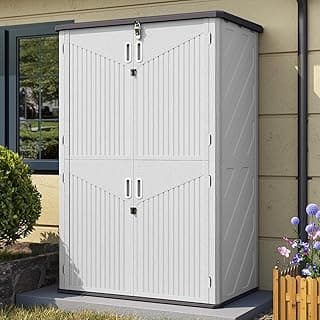
Buying Guide: Best Storage Sheds for Lawn Equipment
Many homeowners struggle with where to keep lawn mowers, trimmers, and other gear without cluttering the garage or leaving it exposed to the elements. Finding the right storage shed can solve this, but it starts with matching size, materials, and setup to your specific yard and needs.
Size and Capacity
Choose a shed based on your equipment's dimensions to avoid cramming or wasted space. Measure your tallest item, like a riding mower, and add clearance for easy access.
- If you have a push mower and hand tools, a 4x6 foot shed often works well.
- For riding mowers or multiple items, aim for at least 8x10 feet or larger.
- Avoid undersized options that force you to tilt or stack gear awkwardly, which can lead to damage over time.
Material Durability
The build material affects how well the shed withstands weather, pests, and daily use. In rainy or humid areas, prioritize rust-resistant options to protect your equipment.
- Metal sheds offer strength against impacts but may dent or rust without proper coating.
- Wood provides a natural look and insulation, though it needs regular maintenance to prevent rot.
- Resin or plastic suits milder climates, being lightweight and low-maintenance, but check for UV protection to avoid fading.
For most users in variable weather, resin balances durability and upkeep.
Foundation and Installation
A stable base prevents shifting and water pooling, extending the shed's life. Many skip this, leading to uneven floors and equipment wobbles.
- If your ground is level, a gravel or paver foundation (4-6 inches deep) suffices for lighter sheds.
- On uneven or soft soil, use concrete piers or a full slab for heavier loads like mowers.
- Most sheds assemble in a weekend with basic tools; opt for models with clear instructions if you're not handy.
Check local codes early—some areas require permits for sheds over 100 square feet.
Weatherproofing and Ventilation
Protect gear from moisture and temperature swings to avoid rust or fuel degradation. Good seals and airflow make a big difference in real-world storage.
- Look for reinforced doors, sloped roofs, and floor kits to block water.
- Vents or louvers prevent condensation buildup, especially for gas-powered tools.
- If you store chemicals or fuel, choose sheds with lockable vents for safety.
Accessibility and Security
Easy entry saves time during busy seasons, while locks deter theft in visible yards.
- Double doors accommodate wide mowers; ramps help with wheeled items.
- Reinforced hinges and padlock hasps add security without complexity.
- For frequent access, place the shed near your work area but screened for curb appeal.
Budget and Long-Term Value
Upfront cost varies, but factor in maintenance and lifespan for true value. Cheaper sheds may need repairs sooner.
- Expect $300-$800 for basic models fitting small setups.
- $1,000+ for larger, feature-rich options that last 10-20 years.
- If you upgrade equipment often, invest in expandable designs to future-proof your purchase.
Frequently Asked Questions About Storage Sheds for Lawn Equipment
What are the best storage sheds for lawn equipment on a budget?
If you're watching your spending, look for sheds around $500 to $1,200 that offer solid construction without extras like windows or lofts. These typically provide enough space for mowers, trimmers, and tools while keeping costs down, but check for reinforced floors to handle heavy equipment weight. In most cases, metal or resin options in this range balance affordability and durability better than basic wood kits.
How do I ensure a storage shed for lawn equipment is safe and secure?
Prioritize sheds with reinforced doors, padlock hasps, and sturdy framing to protect against theft and weather damage. Adding anchor kits secures it to a concrete base, preventing tipping in high winds, which is crucial if you store gas-powered tools inside. For extra safety, choose models with ventilation to reduce fire risks from fuel storage.
Is installation easy for outdoor storage sheds holding lawn mowers?
Many sheds assemble in a weekend with basic tools if you follow instructions precisely, but leveling the site and pouring a concrete slab first makes a big difference for stability. If you're not handy, panelized kits snap together faster than site-built ones, though larger models for full-size mowers might need two people. Expect 4-8 hours total, and always double-check door alignment to avoid issues later.
What size storage shed works best for lawn equipment and tools?
A 10x12 or 8x10 shed efficiently stores a riding mower plus weed eaters, blowers, and shelves without feeling cramped, leaving room for organization. Measure your largest item first—add 2 feet clearance on all sides for easy access—and consider vertical storage to maximize efficiency. Smaller 6x8 options suit push mowers and hand tools if space is tight.
Which types of storage sheds for lawn equipment last the longest?
Metal sheds resist rot and pests best in humid areas, often lasting 20+ years with minimal maintenance, while resin models handle impacts without denting. Wood sheds offer a natural look but need regular sealing to prevent warping from moisture around lawn gear. Compare based on your climate: go metal or resin if efficiency and low upkeep matter most.
Conclusion
Choosing the best storage sheds for lawn equipment comes down to size, durability, and weather resistance to keep your tools secure and ready. Prioritize sturdy construction and easy access features that match your yard and needs.
With these factors in mind, you can confidently protect your investment without guesswork. Take a moment to assess your space and select the model that fits best—your lawn gear will thank you with years of reliable organization.