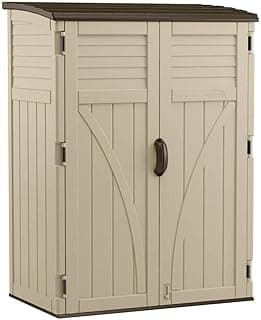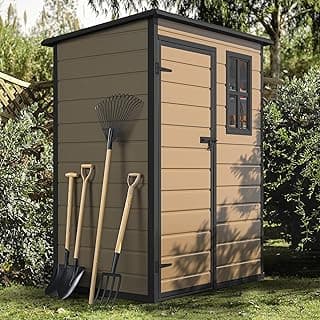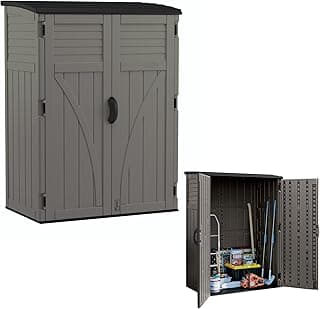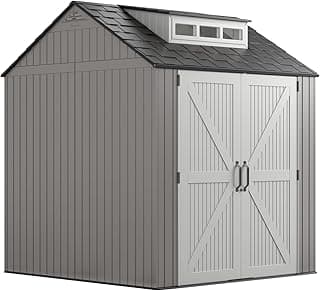

Buying Guide: Best Storage Sheds for Garden Tools
Many gardeners struggle with cluttered garages or tools left out in the weather, leading to rust and frustration. A well-chosen storage shed can organize your equipment effectively, but picking the right one depends on your space, usage, and budget. This guide covers key factors to consider for practical, long-term solutions.
Size and Capacity
Storage needs vary by garden size and tool collection. Measure your tools, including long-handled items like rakes and shovels, plus space for a lawnmower if needed.
- If you have 10-20 basic tools, a 4x6 ft shed often suffices for most users.
- For larger setups with power equipment, opt for at least 8x10 ft to allow easy access.
- Avoid sheds smaller than your needs, as overcrowding leads to damage and inefficiency.
Material and Durability
Outdoor exposure demands materials that resist weather, pests, and wear. In humid or rainy areas, prioritize rust-proof options.
- Metal sheds suit dry climates, offering strength against wind but may dent or rust without treatment.
- Wood provides a natural look and insulation but requires sealing to prevent rot.
- Plastic or resin works well for budget-conscious users, resisting corrosion though less sturdy in high winds.
If your area sees heavy storms, choose thicker gauges or reinforced framing for added longevity.
Weather Resistance
Tools last longer when shielded from rain, UV rays, and temperature swings. Look for features that seal out moisture without trapping humidity inside.
- Check for sloped roofs to shed water and floor kits to block ground moisture.
- Ventilation panels prevent condensation buildup, especially in fluctuating climates.
- If you store fertilizers or chemicals, ensure UV-resistant walls to avoid degradation.
Accessibility and Organization
Ease of use saves time during busy gardening seasons. Consider door types and interior layout for quick retrieval.
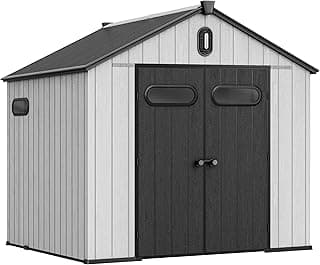
- Double doors accommodate wide equipment; single doors fit smaller spaces.
- Include shelves or pegboards for hanging tools, maximizing vertical space.
- If mobility matters, select models with wheels for repositioning as your garden evolves.
Installation and Foundation
Many fear complex setups, but most sheds assemble in a weekend with basic tools. A level base prevents structural issues.
- Prepare a gravel or concrete pad for stability, especially on uneven ground.
- Pre-cut panels simplify assembly for DIYers; some kits need minimal cutting.
- Check local permits if over 100 sq ft, though smaller ones generally avoid red tape.
Professional help reduces hassle if you're short on time, often costing under $300.
Security Features
Protect valuable tools from theft in visible yard spots. Basic locks deter opportunists without high costs.
- Reinforced doors with padlock hasps provide reliable entry control.
- Anchor kits secure the shed to the ground, resisting tipping or removal.
- For high-risk areas, add window bars or opaque panels to hide contents.
Budget and Long-Term Value
Prices range from $300 for basic plastic to over $2,000 for premium builds. Factor in maintenance and lifespan.
- Lower-cost options work for light use but may need repairs sooner.
- Mid-range sheds balance upfront cost with 10-15 years of service for most users.
- If replacing frequently, invest in durable materials to lower lifetime expenses.
Weigh your usage frequency: occasional gardeners can save with simpler models, while avid ones benefit from robust construction.
Frequently Asked Questions About Garden Tool Storage Sheds
What are the best storage sheds for garden tools on a budget?
If you're watching your spending, look for sheds made from resin or thin metal panels that start around $200-$400 for a 6x8 foot size. These options provide solid protection for rakes, shovels, and lawnmowers without breaking the bank, though they may need occasional anchoring to stay secure in wind. In most cases, they offer the best value if you prioritize affordability over heavy-duty features.
How do I ensure a storage shed for garden tools is safe and secure?
Opt for models with reinforced doors, padlock hasps, and sturdy flooring to keep tools safe from theft and weather damage. If your area gets high winds or heavy rain, choose sheds rated for those conditions and secure them to a concrete base for stability. This setup typically prevents most common issues like tipping or water intrusion.
Is assembly easy for garden tool storage sheds?
Many sheds arrive with pre-cut panels and require just basic tools like a drill and level, taking 4-6 hours for two people on a typical weekend project. If you're new to DIY, select panelized kits over full-site builds to avoid complex framing. In most cases, clear instructions make it straightforward, but double-check floor leveling first to prevent wobbling.
What size storage shed works best for organizing garden tools?
A 6x4 or 8x6 foot shed efficiently stores tools for small to medium yards, with wall-mounted racks maximizing vertical space for long-handled items. Larger 10x10 options suit extensive collections including riding mowers, but measure your space and tools first to avoid overcrowding. This approach keeps everything accessible and reduces clutter effectively.
How do metal sheds compare to plastic or wooden ones for garden tools?
Metal sheds excel in durability and fire resistance but can rust if not treated, while plastic ones resist rot and assemble faster at a lower cost. Wooden sheds offer a natural look with good customization but demand regular sealing against moisture. Choose based on your climate—metal or plastic for wet areas, wood for dry ones—to best protect your tools long-term.
Conclusion
Choosing the best storage sheds for garden tools comes down to size, durability, and easy access to keep your equipment organized and protected year-round. Prioritize weather-resistant materials and secure locking systems for peace of mind, while matching the shed to your garden space ensures a seamless fit.
You now have the insights to make a confident decision. Consider your specific needs and pick the model that aligns best with your setup—your tools will thank you with longer life and quicker access next season.