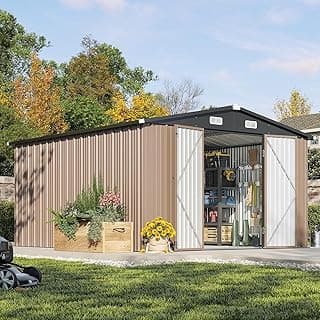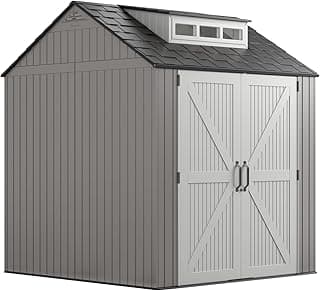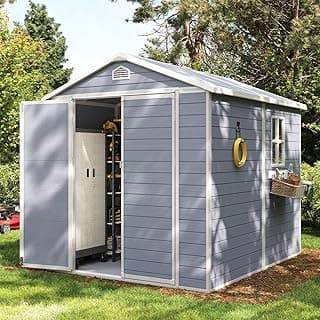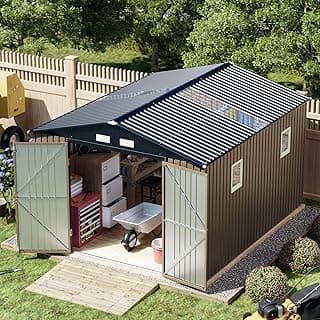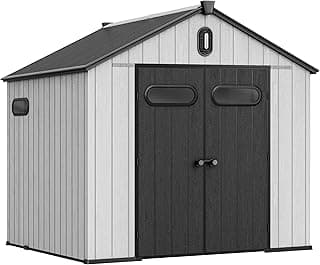

Buying Guide: Best Storage Sheds for Backyard
Choosing a backyard storage shed often feels overwhelming with so many sizes, materials, and features available. Many buyers worry about fitting it into their space, ensuring it lasts through weather changes, or handling setup without major hassle. This guide breaks down the key factors to consider for practical, real-world use.
Size and Capacity
Size determines how much gear—like lawn tools, bikes, or holiday decorations—you can store without cluttering your yard. Measure your available space first, including any slope or overhangs, and think about what you'll store most often.
- If you need space for a mower and seasonal items, aim for at least 8x10 feet.
- For smaller yards or lighter storage like cushions, a 6x8 foot shed often works well.
- Avoid oversized units if access paths are narrow, as they can make daily use frustrating.
Material and Durability
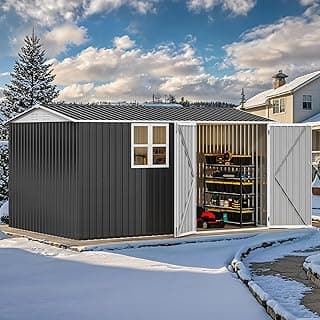
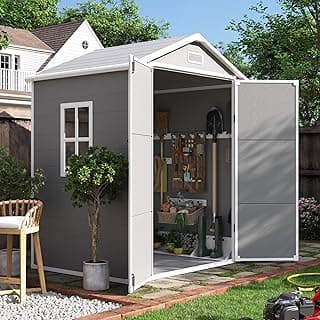
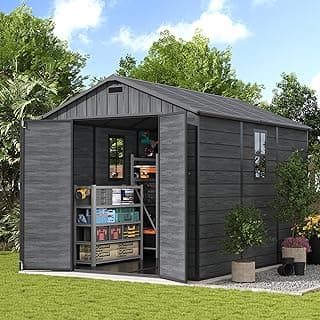
The material affects how well the shed holds up against rain, sun, and wind, which matters for long-term value in your backyard environment. Metal sheds resist fire and pests but can dent; wood offers a natural look but needs maintenance; resin or plastic is low-maintenance and lightweight.
- Choose metal or resin if you're in a wet climate for better rust resistance.
- Opt for treated wood if aesthetics are key and you're okay with occasional sealing.
- Steer clear of untreated thin panels, as they warp quickly in most cases.
Weather Resistance and Foundation
A good seal against moisture and pests prevents interior damage, especially during heavy rains or snow. Most sheds need a level base to avoid shifting or pooling water.
If your yard is uneven, plan for a gravel or concrete foundation—4 inches thick is generally sufficient for stability. Look for sheds with reinforced floors and sloped roofs to shed water effectively.
Assembly and Installation
Many sheds arrive in kits, so ease of setup is crucial unless you're hiring help. Pre-cut panels and clear instructions save hours, and some models snap together without tools.
- If you're assembling solo, pick models under 100 square feet that claim 4-6 hour builds.
- For larger sheds, budget for professional installation to avoid structural issues.
- Check local permits if over 120 square feet, as rules vary by area.
Ventilation and Security
Proper airflow stops mold from tools or damp items, while locks deter theft in accessible backyards. Vents on at least two sides promote circulation, and reinforced doors add peace of mind.
If storing valuables, then prioritize sheds with lockable hasps or window bars. In mild climates, basic vents suffice; humid areas benefit from adjustable ones.
Budget and Long-Term Costs
Upfront prices range widely, but factor in maintenance and energy savings from better insulation. A shed costing $500-$2,000 often balances quality and affordability for most users.
- Settle for mid-range if you want durability without premium pricing.
- Avoid the cheapest options under $300, as they typically need early repairs.
- Consider add-ons like shelves later to customize without overspending initially.
Frequently Asked Questions About Backyard Storage Sheds
What are the best storage sheds for backyard use on a budget?
If you're watching your spending, look for sheds under $500 that offer solid construction without extras like windows or lofts. Metal or resin options often provide the best value for basic storage needs, holding up well against weather while keeping costs low. In most cases, these budget-friendly sheds still deliver enough space for tools and lawn gear if you prioritize size over fancy features.
How do I ensure a storage shed is safe for my backyard family setup?
Choose sheds with reinforced doors, secure locking mechanisms, and stable flooring to prevent tipping or break-ins, especially if kids or pets are around. Anchoring the shed to a level concrete base adds extra safety against wind or uneven ground. Most quality sheds meet basic safety standards right out of the box, but always check for sharp edges during setup.
What's the easiest way to install a backyard storage shed?
Many sheds arrive pre-assembled or with snap-together panels, making DIY installation possible in a few hours for one or two people on flat ground. Start with a prepared foundation like gravel or pavers to avoid shifting, and follow the included instructions closely. If your yard slopes or you're short on time, professional help can cut stress, but it's rarely needed for smaller models.
How much storage space do I really need in a backyard shed?
Assess your gear first: an 8x6 foot shed works for mowers and basic tools, while 10x12 fits bikes, ATVs, and seasonal items efficiently. Avoid oversized sheds that waste yard space; opt for models with shelving or lofts to maximize vertical room. In practice, buyers often underestimate needs by 20-30%, so measure your largest items beforehand.
Wood vs metal vs plastic: which backyard shed material is most practical?
Wood offers a natural look but needs regular sealing to fight rot; metal is durable and pest-resistant yet can dent or rust without care; plastic is low-maintenance and affordable but may fade in intense sun. For most backyards, plastic or metal strikes the best balance of efficiency and longevity if maintenance isn't your thing. Pick based on your climate—metal shines in wet areas, plastic in hot, dry ones.
Conclusion
Choosing the best storage sheds for backyard comes down to balancing size, material durability, and ease of assembly with your specific needs. Whether you prioritize weather resistance or quick setup, the right shed enhances organization and protects your belongings year-round.
You now have the insights to make a confident decision. Consider your space and usage to select the ideal model that fits seamlessly into your backyard setup.
Take the next step today and transform your outdoor area with reliable storage.