Buying Guide: Finding the Right Steel Carport for Your Needs
Many people shopping for steel carports worry about whether they'll stand up to harsh weather or if installation will turn into a major hassle. The good news is that with a few key considerations, you can select a structure that fits your property and usage without unnecessary stress or overspending.
Size and Coverage Area
Size determines how many vehicles or items you can protect, so start by measuring your space accurately, including clearance for doors and walkways. A common mistake is underestimating future needs, like adding a boat or trailer.
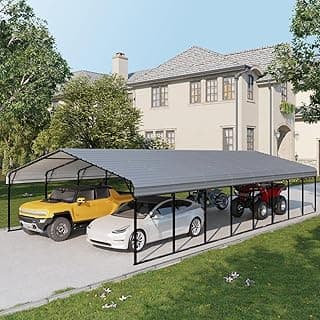
- If you have 1-2 vehicles, aim for at least 12x20 feet to allow easy access.
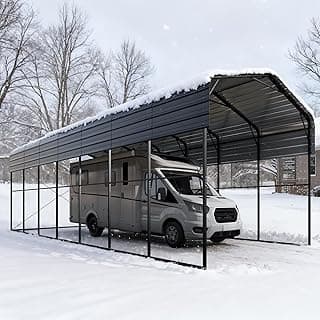
- For larger setups or RVs, consider 20x30 feet or more to avoid feeling cramped.
- Opt for modular designs if your parking needs might change over time.
Steel Gauge and Build Quality
Thicker steel means better resistance to dents, wind, and corrosion in everyday use. Thinner gauges might save upfront costs but can warp under heavy snow or storms.
- Look for 14-gauge steel or thicker for most residential applications, as it balances strength and affordability.
- Check for galvanized or powder-coated finishes to prevent rust, especially in humid or coastal areas.
- Avoid the thinnest options (20-gauge) unless it's a temporary, low-wind setup.
Wind and Snow Load Ratings
These ratings show how much force the carport can handle, which matters for safety in your local climate. Ignoring them can lead to damage during unexpected weather events.
- If you live in windy regions, choose models rated for 90+ mph winds.
- For snowy areas, ensure a snow load capacity of at least 20-35 psf depending on annual snowfall.
- Verify certifications like those from local building codes to confirm real-world performance.
Roof Style and Drainage
The roof design affects water runoff and snow shedding, preventing pooling that could weaken the frame over time. Vertical roofs work better in heavy precipitation than horizontal ones.
- Select vertical roofs if rainfall exceeds 40 inches yearly, as they direct water away efficiently.
- Horizontal roofs suit milder climates and often cost less.
- Include gutters if you want to channel water to avoid erosion around the base.
Installation and Foundation Needs
Most steel carports arrive in kits for DIY assembly, but proper anchoring is key to stability. Skipping this step risks the structure shifting or collapsing.
- If you're handy, a 2-4 person team can assemble a standard kit in a weekend with basic tools.
- For larger or certified installs, hire pros to meet local permits—often required in high-wind zones.
- Use concrete footings or ground anchors; avoid soft soil without reinforcement.
Cost and Long-Term Value
Prices range widely based on size and features, but focusing on durability pays off by reducing repairs. Factor in delivery and any site prep costs upfront.
- Expect $1,000-$5,000 for basic models covering 1-2 cars.
- Larger, heavy-duty options may run $5,000-$10,000+.
- Choose warranties of 10-20 years for peace of mind, especially if exposed to elements.
By evaluating these factors against your specific location and needs, you'll narrow down steel carport options that deliver reliable protection without common pitfalls like poor weather resistance or tricky setup.
Frequently Asked Questions About Steel Carports
How much do steel carports cost on average?
Steel carports typically range from $1,000 to $5,000 depending on size, roof style, and custom features like enclosed sides. For a standard 20x20 single-car model, expect to pay around $2,000-$3,000 delivered, with larger or heavier-duty options pushing costs higher. Factor in local delivery fees and any foundation work, but they often provide the best value compared to wood alternatives due to lower long-term maintenance.
Are steel carports safe in high winds or heavy snow?
High-quality steel carports with proper anchoring can withstand winds up to 140 mph and snow loads of 30-40 psf in most cases, but always check specs for your region's codes. Certification from engineering standards ensures they hold up better than lighter aluminum frames during storms. If you're in a hurricane-prone area, opt for thicker gauge steel and certified anchors to maximize safety without overbuilding.
Can I install a steel carport myself, or do I need professionals?
Many DIY-friendly steel carports come with pre-drilled parts and instructions, making installation possible for two people over a weekend using basic tools like a post hole digger and level. For larger models or uneven ground, hiring pros ensures proper leveling and anchoring, which is crucial for longevity. In most cases, start with a level gravel or concrete base to avoid headaches later.
How do steel carports compare to aluminum or wooden ones?
Steel carports outperform aluminum in strength and dent resistance while costing less upfront, making them ideal for heavy vehicle protection or harsh weather. Unlike wood, they won't rot, warp, or attract pests, offering superior rust protection with galvanized coatings. If durability and low upkeep matter most, steel provides the best balance over flimsier or pricier alternatives.
What sizes are best for protecting cars, RVs, or boats?
For cars or trucks, a 12x20 or 20x20 steel carport works efficiently, while RVs and boats often need 12x40 or wider to accommodate length and height. Consider clearance for your tallest vehicle plus roof pitch for snow shedding. Versatile sizing options let you protect multiple items without wasting space, ensuring efficient use of your yard.
Conclusion
Choosing the best steel carports comes down to durability, size, and customization that fit your needs and budget. Steel structures offer unmatched strength against weather and wear, providing long-term protection for your vehicles and equipment.
With the right factors in mind—like roof style and foundation—you can confidently select a model that delivers value and peace of mind. Take the next step today by evaluating your options and securing reliable shelter for years to come.