Buying Guide: Finding the Right Standing Desk for Your Needs
Many people shopping for standing desks worry about picking one that fits their daily routine without causing back strain or taking up too much space. The good news is that focusing on a few key factors can help you narrow down options that work well in real-world use, whether you're alternating between sitting and standing or using it full-time.
Height Range and Adjustability
Height range determines how comfortably you can switch positions throughout the day. If your height falls outside the average range—say, under 5 feet or over 6 feet 4 inches—opt for desks with extended ranges, often up to 48 inches or more.
- Look for memory presets (at least 4) to save your ideal sitting and standing heights.
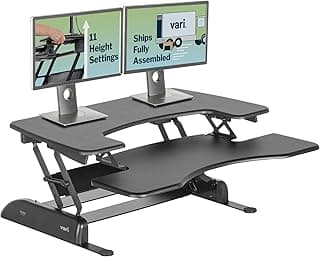
- Avoid fixed-height models unless your workspace demands it, as they limit flexibility.
For most users, a range from 25 to 50 inches covers typical needs without overcomplicating setup.
Desk Size and Workspace
Your desk surface needs to accommodate your monitor, keyboard, and daily essentials without feeling cramped. Measure your current setup first to ensure a good fit.
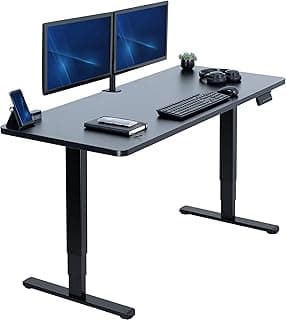
- Standard sizes like 48 x 24 inches suit solo workers; go larger (60 inches wide) for multi-monitor or shared use.
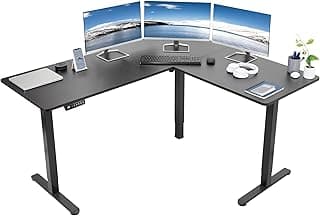
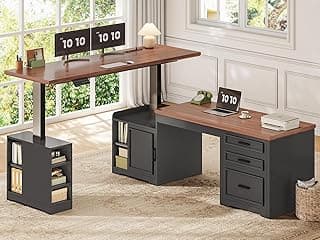
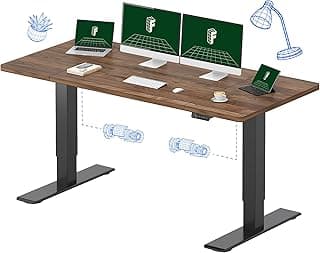
- Choose rectangular tops for linear setups or L-shaped if you need corner space.
If space is tight, prioritize depth under 30 inches to avoid bumping into walls.
Weight Capacity and Stability
A sturdy desk holds your gear without wobbling, especially when raised. Most setups with two monitors and accessories weigh 50-100 pounds, so aim higher to stay safe.
- Select at least 150 pounds capacity for general use; 200+ pounds if adding heavy items like speakers.
- Test stability by checking reviews for "wobble-free" performance at full height.
Electric models often feel more stable than manual ones during adjustments.
Motor Type: Electric vs. Manual
Electric motors offer smooth, effortless height changes with one touch, ideal for frequent switches. Manual crank desks save on cost but require more effort.
- Go electric if you adjust 5+ times daily; dual motors handle uneven loads better than single.
- Manual works well for occasional use or budgets under $300.
In most cases, electric provides better long-term convenience without much added complexity.
Build Quality and Materials
Durable materials ensure the desk lasts through years of use. Look for solid steel frames and laminated tops resistant to spills and scratches.
- Bamboo or engineered wood tops balance weight and strength; avoid thin particleboard for heavy-duty needs.
- Check frame thickness—at least 1.5 inches legs for stability.
If you plan heavy use, powder-coated steel resists wear better than basic finishes.
Noise Level and Speed
Quiet operation matters in shared or quiet spaces. Good motors adjust in under 30 seconds with minimal sound.
- Target under 50 decibels—similar to a quiet conversation.
- Avoid slow models (over 45 seconds) that disrupt workflow.
For home offices, anti-collision sensors add peace of mind by stopping if obstacles are detected.
Assembly and Cable Management
Easy assembly reduces setup frustration—most take 30-60 minutes with basic tools. Built-in cable trays keep cords tidy.
- Pre-assembled options suit those avoiding DIY; otherwise, clear instructions minimize issues.
- Choose models with grommets or channels for a clean look.
No advanced skills needed for standard desks, making them accessible for most buyers.
Budget and Warranty
Prices range from $200 for basics to $1,000+ for premium features. Factor in your usage frequency.
- Under $400: Good for light use; $500-800 for reliable daily drivers.
- Seek at least a 5-year frame warranty and 2-year on electronics.
If you adjust often, investing more upfront often pays off in durability and satisfaction.
Best Standing Desk FAQ
What is the average cost of a good standing desk?
Quality standing desks typically range from $300 to $800, depending on features like height range and weight capacity. If you're on a budget, look for models around $400 that offer smooth electric adjustment and sturdy builds without skimping on stability. Higher-end options over $600 often include advanced presets and anti-collision tech, making them worth it for heavy daily use.
Are standing desks safe for everyday home office use?
Most modern standing desks are safe when they include safety features like collision detection sensors that stop movement if they hit obstacles. In most cases, you'll want a desk with a weight capacity of at least 150 pounds to handle monitors and gear securely. Always check for stable legs and a wide base to prevent tipping, especially if you have kids or pets around.
How long does it take to set up a standing desk?
Assembly usually takes 30 to 60 minutes for a single person using basic tools like a screwdriver and Allen wrench. Many models come with clear instructions and pre-drilled holes, so if you're handy, you can have it ready in under 30 minutes. Test the height adjustment right after setup to ensure everything moves smoothly before adding your setup.
How do adjustable standing desks improve work efficiency?
Switching between sitting and standing reduces fatigue and boosts focus by letting you alternate postures throughout the day. Users often report better energy levels and productivity after the first week, especially with programmable height settings for quick changes. If your desk has a spacious surface, it also helps organize your workspace for fewer distractions.
How do I choose between different types of standing desks?
Compare electric vs. manual models based on your needs—electric ones adjust faster with one-touch controls, ideal for frequent changes, while manual crank desks cost less but require more effort. Look at desk size and material too; larger tops suit multi-monitor setups, and bamboo or laminate surfaces resist scratches better for long-term use. Prioritize your height range and budget to find the best match without overpaying for unused features.
Conclusion
Choosing the best standing desks comes down to factors like height adjustability, sturdy build, and ample workspace that fit your daily routine. Prioritizing these ensures better posture, productivity, and long-term comfort without unnecessary trade-offs.
You now have a clear guide to weigh options confidently. Take a moment to match features with your needs, and select the model that elevates your workspace effectively.