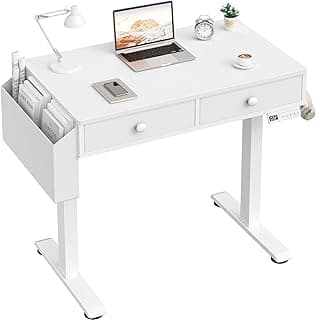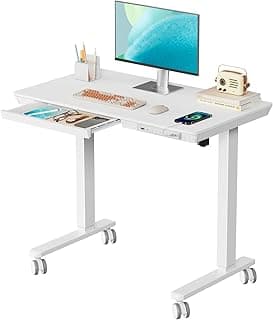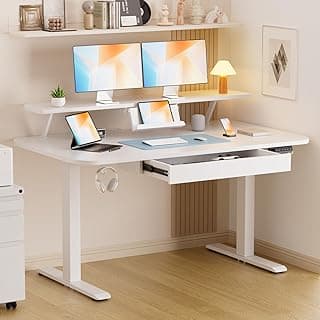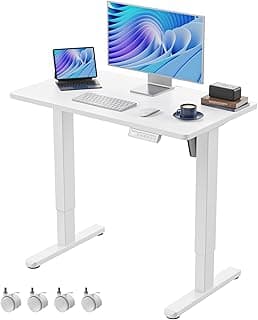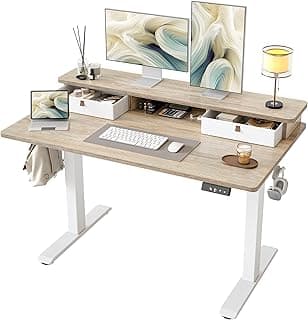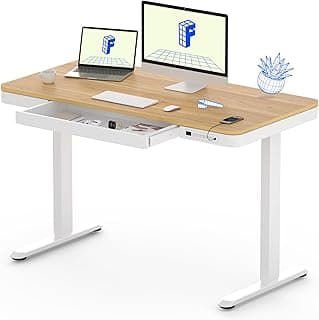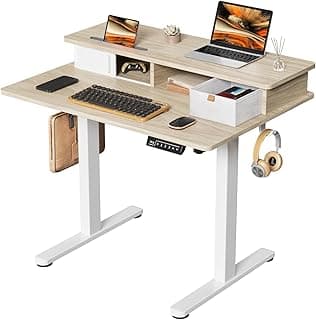

Buying Guide: Best Standing Desks for Small Spaces
Finding a standing desk that fits a cramped apartment or tight office corner often feels tricky. You want the flexibility to alternate between sitting and standing without it dominating the room or complicating your setup. This guide breaks down the key factors to consider for compact standing desks, helping you pick one that matches your daily routine.
Desktop Size and Shape
The surface area directly impacts how well the desk suits small spaces. In tight areas, a desk that's too wide can crowd your setup and limit movement. Aim for desktops around 36-48 inches wide and 20-24 inches deep to accommodate a laptop, monitor, and essentials without overhang.
- If you mainly use a laptop, opt for narrower rectangular tops.
- For dual monitors, choose L-shaped or corner designs that maximize wall space.
- Avoid oversized tops over 60 inches unless your room allows it—they often feel bulky in practice.
Height Adjustment Range
A good range ensures ergonomic positioning for both sitting and standing, reducing strain during long work sessions. Most users between 5'4" and 6'2" benefit from desks adjusting from 25-50 inches. Check the range against your height for comfort.
- If you're shorter or taller, prioritize extended ranges to avoid hunching or stretching.
- Electric models with presets are handy for quick switches; manual ones work fine for occasional use.
Test the smooth operation in demos if possible—jerky adjustments can disrupt workflow.
Footprint and Storage Options
The base and legs determine the desk's overall footprint. Slender, T-style or cantilever frames take up less floor space than traditional four-leg designs, leaving room for chairs or foot movement.
- Look for models under 20 inches deep when collapsed.
- Folding or wall-mounted options are ideal if you need to tuck it away daily.
- Avoid wide crossbars that block legroom, especially if you shift positions often.
Stability and Weight Capacity
Even compact desks need to handle your gear steadily, especially when raised. A capacity of 100-200 pounds covers most setups with monitors and accessories. Wobble at full height signals poor build quality.
- If you have heavy equipment, choose higher-capacity frames for safety.
- Test for sway in reviews or stores—stability matters more in small spaces where there's less room to brace.
- Generally, steel frames outperform wood for long-term reliability.
Assembly and Installation Ease
Simple setup reduces hassle in small spaces where maneuvering parts is tough. Many compact desks assemble in under 30 minutes with basic tools, and some ship pre-assembled.
- If you're not handy, select modular designs with clear instructions and minimal parts.
- Wall-mount models often require drilling but save floor space—ensure your walls can support the weight.
- Factor in delivery: compact packaging fits apartments better than bulky boxes.
Don't worry about complexity; most modern options prioritize user-friendly assembly.
Power Type and Noise Levels
Electric desks offer smooth, effortless height changes but need a nearby outlet. Manual crank or paddle styles are quieter and power-free, suiting silent environments.
- Choose electric if you switch positions frequently—motors are generally quiet under 50 decibels.
- Manual works well for infrequent use, avoiding cord clutter in small areas.
- If noise bothers you, check motor ratings; paddle lifts are nearly silent.
Budget and Long-Term Value
Prices for small-space standing desks range from $150-$600, balancing features and durability. Cheaper models suffice for light use, while mid-range options add stability and smoother operation.
- Set a budget based on usage: daily standers benefit from investing $300+ for better motors and frames.
- Look for warranties of at least 5 years on motors and frames to protect against wear.
- If space is premium, prioritize foldable designs—they often deliver good value without high costs.
Focus on how often you'll use it; that guides whether to spend more for premium features.
FAQ: Best Standing Desks for Small Spaces
What are the best standing desks for small spaces on a budget?
Affordable compact standing desks under $200 often feature widths around 36-48 inches, fitting neatly into tight corners or apartments without dominating the room. Look for models with manual height adjustment to save on costs while still offering ergonomic benefits for daily use. In most cases, these budget options hold up well for light to moderate workloads if you prioritize sturdy builds over fancy electronics.
Are standing desks for small spaces safe for home use with kids or pets?
Most compact standing desks include anti-collision sensors that detect obstacles and stop movement automatically, making them safer around children or curious pets. If your model lacks this feature, opt for ones with smooth, quiet motors and rounded edges to minimize risks. Always secure cables and teach household members to avoid the desk during adjustments for extra peace of mind.
How easy is installation for small space standing desks?
Assembly for narrow standing desks typically takes 20-45 minutes solo, with tools like an Allen wrench included and clear picture instructions that don't require advanced skills. Many arrive pre-assembled for the desktop and legs, so you just attach the base and top without heavy lifting. If space is super tight, choose models that fold flat for easier maneuvering during setup.
How do compact standing desks compare in efficiency to larger ones?
Small footprint standing desks match larger models in height range (usually 25-50 inches) and stability for focused work, but they excel in apartments by saving floor space without sacrificing posture benefits. They're efficient for single-monitor setups or laptops, though heavier dual setups might feel less steady on the slimmest widths. Users often find them more practical long-term since they encourage better room flow and less clutter.
What size standing desk works best for really tiny spaces like apartments?
For extremely small areas, aim for desks 32-40 inches wide and 20 inches deep that tuck against walls or double as side tables when lowered. These slim designs support standard keyboard trays and small accessories while allowing chair clearance in cramped setups. Test the footprint by measuring your spot first to ensure it alternates easily between sitting and standing without bumping into furniture.
Conclusion
Finding the best standing desks for small spaces comes down to prioritizing compact footprints, sturdy builds, and smooth height adjustments that fit your workflow. We've highlighted options balancing these essentials without overwhelming your room.
With factors like stability and ease of use in mind, you're equipped to pick a desk that enhances productivity and comfort. Take a moment to match one to your specific setup—your ideal standing desk awaits.