Buying Guide: Best Standing Desks for Home Office
Many people setting up a home office hesitate with standing desks, worried about wobbling surfaces, tricky assembly, or desks that don't fit their space. This guide breaks down the key factors to consider, so you can pick a desk that supports your daily workflow without unnecessary hassle.
Height Range and Adjustability
Height range determines if the desk suits your body size and posture needs. In real use, a limited range can force awkward positioning, leading to discomfort over long hours.
- Look for desks with a range of at least 25–50 inches to accommodate most adults, including shorter or taller users.
- If you share the desk or have specific ergonomic needs, prioritize models with memory presets for quick switches between sitting and standing.
- Avoid fixed-height options unless your routine is strictly one mode, as they limit flexibility.
Desktop Size and Shape
The desktop size affects how much gear you can spread out—monitors, keyboards, notes—without feeling cramped in a home office.
- For most users, a surface around 48–60 inches wide and 24–30 inches deep strikes a balance for dual monitors and paperwork.
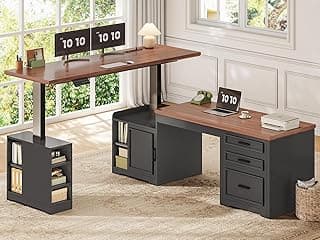
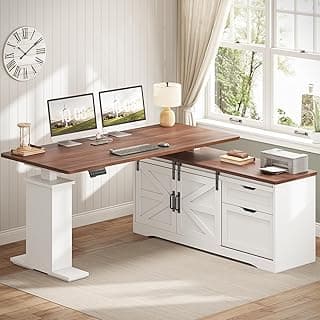
- Choose rectangular shapes for straightforward setups; L-shaped if you need extra space for multitasking.
- Measure your room first—if space is tight, opt for narrower depths to avoid bumping into walls or furniture.
Weight Capacity and Stability
A desk's weight capacity ensures it handles your setup steadily, preventing sways that distract during video calls or focused work.
- Aim for at least 150–200 pounds capacity for typical home office loads like multiple screens and accessories.
- Test stability at full height; if it rocks under moderate pressure, it won't hold up to daily use.
- For heavier setups, such as large ultrawides, go higher to maintain a solid feel when standing.
Lift Mechanism: Manual vs. Electric
The lift type impacts ease of switching positions. Manual cranks work for light use, but electric motors save time and effort in a busy home office.
- Electric desks with quiet motors (under 50 decibels) suit frequent adjustments without noise disruption.
- If budget is tight and changes are rare, a sturdy manual desk can suffice and often costs less.
- Avoid slow motors (over 1 inch per second lift speed) if you switch positions often, as waiting frustrates productivity.
Build Materials and Durability
Quality materials affect how well the desk withstands spills, scratches, and years of use in a home environment.
- Steel frames paired with laminate or bamboo tops offer good strength without excessive weight.
- Check for powder-coated finishes to resist chipping; solid wood adds warmth but may warp if not sealed properly.
- For longevity, ensure the frame has cross-bracing—essential if you plan to use it daily for 5+ years.
Assembly and Cable Management
Simple assembly reduces setup frustration, especially without extra hands. Built-in cable features keep your home office tidy.
- Seek desks with clear instructions and pre-drilled holes; most assemble in under 30–60 minutes.
- If you're not handy, prioritize tool-free or minimal-part designs to avoid common installation headaches.
- Integrated trays or channels for cables prevent clutter—crucial for a professional-looking workspace.
Budget and Value Considerations
Balancing cost with features helps avoid overspending on unused bells or settling for flimsy builds.
- Entry-level desks around $200–400 work for occasional use; invest $500+ for heavy daily reliance.
- If ergonomics matter most, prioritize smooth height adjustment over fancy add-ons.
- Factor in warranties—5–10 years on the frame signals reliable construction for home office peace of mind.
Best Standing Desks for Home Office FAQ
What are the best standing desks for home office setups on a budget?
If you're setting up a home office without breaking the bank, look for electric models under $400 that offer smooth height adjustments and sturdy builds. These desks typically support up to 150 pounds and include cable management to keep your workspace tidy. In most cases, they provide excellent value by balancing cost with daily usability, avoiding cheap mechanisms that wobble over time.
Are standing desks safe for daily home office use?
Yes, most modern standing desks are designed with safety features like anti-collision sensors that stop movement if they hit obstacles, making them reliable for home environments. Stability is key—choose ones with wide bases and reinforced frames to prevent tipping, especially if you have kids or pets around. Always lock the height in place during use to minimize risks.
How easy is installation for standing desks in a home office?
Assembly usually takes 30-60 minutes for one person, with most models including clear instructions and minimal tools needed like a screwdriver. If you're not handy, opt for desks with pre-assembled tops or frames to cut down setup time. Test the motor and stability right after installation to ensure everything works smoothly before daily use.
What makes a standing desk efficient for home office productivity?
The best options feature programmable height presets for quick switches between sitting and standing, helping you maintain better posture and energy throughout the day. Look for spacious surfaces (at least 48 inches wide) with grommets for cable organization to reduce clutter. Users often report fewer backaches and improved focus after incorporating regular position changes.
How do electric vs manual standing desks compare for home offices?
Electric desks win for efficiency with one-touch controls and memory settings, ideal if you switch positions frequently in your home office routine. Manual crank models cost less and don't rely on power, but they require more effort for adjustments, which can disrupt workflow. Choose electric if convenience matters most, or manual for budget setups with occasional standing.
Conclusion
Choosing the best standing desks for home office comes down to stability, adjustability, and your specific workspace needs. Prioritize models with smooth height transitions, ample surface area, and cable management to boost productivity and comfort throughout the day.
With these key factors in mind, you're well-equipped to make a confident decision that supports your health and efficiency. Take a moment to match the right desk to your setup, and elevate your home office experience today.