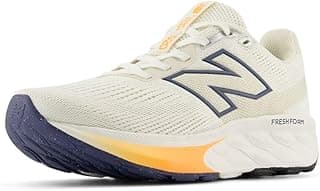
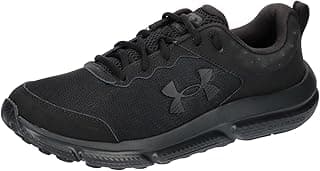
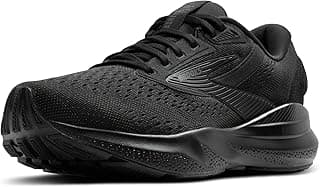
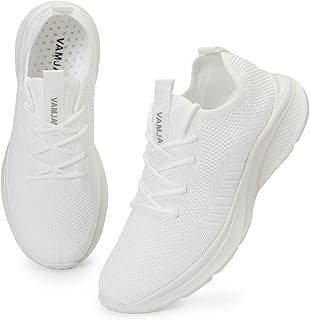
Buying Guide: Best Stability Running Shoes
Many runners notice their ankles rolling inward during longer runs or uneven terrain, leading to discomfort or injury worries. Stability running shoes address this by offering targeted support, but choosing the right pair depends on your gait, foot shape, and running style rather than a one-size-fits-all solution.
Stability Features
Stability shoes typically include medial posts or guide rails to counter overpronation, where your foot rolls inward excessively. This matters most during high-mileage weeks or trail runs, helping maintain alignment and reduce strain on knees and hips.
- If you overpronate mildly, look for firmer medial support without excessive rigidity.
- For neutral runners seeking subtle guidance, opt for shoes with softer posts to avoid feeling restricted.
- Avoid overly aggressive stability if you supinate, as it could cause imbalance.
Heel-to-Toe Drop
The drop, measured from heel to forefoot, influences your stride and Achilles loading. A 8-12mm drop suits most beginners transitioning to stability shoes, promoting a natural heel strike while easing calf tension.
If you prefer midfoot landing, choose a lower 4-8mm drop for smoother transitions. Test in-store to ensure it matches your form, as mismatched drops can lead to early fatigue.
Cushioning Level
Cushioning absorbs impact, crucial for runners logging 20+ miles weekly or on hard surfaces. Plush midsoles protect joints, but too much can feel mushy and reduce stability.
- Select firmer cushioning if prioritizing support over bounce.
- For lighter runners or shorter runs, moderate cushioning balances responsiveness and protection.
- Steer clear of maximalist stacks if you need precise ground feel on technical paths.
Fit and Sizing
A secure fit prevents blisters and ensures stability works effectively. Stability shoes often run narrower in the midfoot to hug the arch, so prioritize width options.
Go half a size up from casual shoes for swelling during runs. If you have wide feet, seek models labeled for broader fits; try them with your usual socks to confirm no pinching.
Weight and Responsiveness
Lighter shoes (9-10 ounces for men, 8-9 ounces for women) enhance speed for tempo runs, while heavier ones offer more durability for daily training.
If racing is your focus, prioritize responsive foams. For everyday use, added weight from stability elements is often worth the trade-off in longevity.
Durability and Outsole
Look for rubber coverage on high-wear areas to handle 300-500 miles of use. This matters for budget-conscious runners avoiding frequent replacements.
- Choose thicker outsoles for road pounding.
- Opt for grippier compounds if mixing in trails.
- Inspect flex grooves for natural bend without premature cracking.
Breathability and Upper Materials
Engineered meshes keep feet cool on hot runs, reducing hotspots. If you run in varied weather, semi-sealed uppers provide light protection without overheating.
Test for toe box room to prevent black toenails, especially if your feet swell. Avoid stiff materials that might chafe during longer efforts.
By matching these factors to your runs—like mileage, surface, and pronation—you'll find stability shoes that support without compromise, making your next stride more confident.
Best Stability Running Shoes FAQ
What are the best stability running shoes for overpronators?
If you overpronate during runs, look for stability running shoes with firm medial posts or guide rails that gently correct your foot's inward roll without feeling restrictive. These designs provide reliable support for longer distances, reducing strain on your knees and ankles in most cases. Prioritize a snug midfoot fit to maximize the stability benefits.
How much do good stability running shoes cost?
Quality stability running shoes typically range from $120 to $160, offering a balance of durability and performance for regular runners. Cheaper options under $100 might lack the robust support needed for high-mileage training, while premium pairs justify the extra cost with longer-lasting cushioning. Consider your weekly mileage—if it's over 20 miles, investing more pays off in injury prevention.
Are stability running shoes safe for beginners?
Yes, stability running shoes are safe and often recommended for beginners who notice foot fatigue or mild overpronation, as they add an extra layer of protection against common running injuries like shin splints. They're not a cure-all, so pair them with proper form and gradual mileage increases for best results. If you're unsure about your gait, a simple at-home test can confirm if you need this support.
How do stability running shoes compare to neutral ones?
Stability running shoes outperform neutral models for runners needing pronation control, featuring denser foam on the inner sole to prevent excessive inward rolling, which neutral shoes don't address. Neutral shoes suit those with balanced gaits and feel lighter, but if stability is your priority, the guided support in stability versions reduces injury risk on varied terrain. Test both in-store if possible to feel the difference in your stride.
How do I know if stability running shoes fit right?
Ensure about a thumb's width of space at the toe, with the shoe hugging your midfoot securely to engage the stability features effectively. Avoid sizing up too much, as loose fit diminishes support; try them with your usual running socks. Walk and jog in them briefly to check for heel slip or pressure points before committing.
Conclusion
Choosing the best stability running shoes comes down to factors like cushioning, arch support, and fit that match your gait and mileage. The top options excel in delivering reliable stability to prevent overpronation and reduce injury risk, without compromising comfort or responsiveness.
You can feel confident in your decision by prioritizing shoes that align with your specific needs—test them on short runs first. With the right pair, you'll run smoother and stronger. Take that next step toward better performance today.