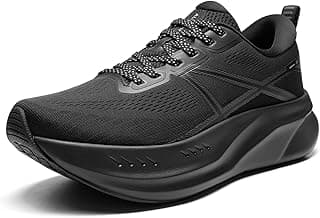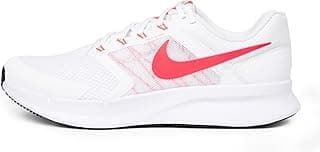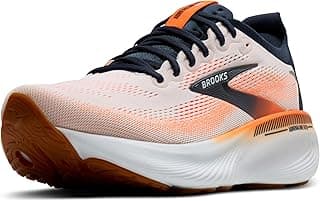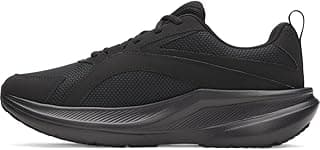

Buying Guide: Best Stability Road Running Shoes
Many runners notice their ankles rolling inward during longer road runs, leading to discomfort or even sidelining injuries. If you're searching for stability road running shoes, understanding a few key factors can help you pick a pair that supports your stride without unnecessary trade-offs in comfort or cost.
Stability Features
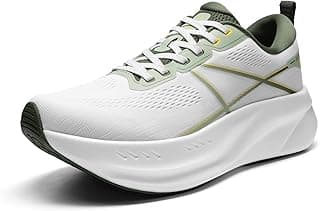
Stability in road running shoes typically comes from medial posts or guide rails that gently correct overpronation. These matter most during extended runs on pavement, where fatigue amplifies foot roll.
- Look for shoes with firm midsoles that firm up toward the inner edge if you overpronate moderately.
- Avoid overly rigid setups unless you have significant pronation; they can feel punishing on shorter runs.
If your gait analysis shows mild issues, then firmer support works well; for neutral runners, lighter guidance prevents unnecessary stiffness.
Cushioning and Stack Height
Adequate cushioning absorbs road impact, reducing fatigue in your knees and hips. Stack height—the foam underfoot—generally ranges from 25-35mm in the heel for stability models.
- Opt for responsive foams if you run faster paces; plush ones suit recovery or easy miles.
- Steer clear of minimal cushioning if you're logging high mileage, as it increases injury risk over time.
For most users averaging 20-40 miles weekly, a mid-level stack around 30mm balances protection and ground feel.
Fit and Sizing
A secure fit prevents blisters and ensures stability features engage properly. Road shoes often run true to size but can feel snugger due to structured uppers.
- Choose a thumb's width of space at the toe; wider toe boxes help if you have broader feet.
- Test with running socks and consider half-sizing up for swelling on long runs.
If you have high arches, then prioritize adjustable uppers; narrow heels benefit from locked-down collars.
Weight and Responsiveness
Lighter shoes promote efficiency on roads, but stability models weigh 9-11 ounces per shoe to accommodate support. Heavier pairs suit slower, endurance paces.
- Select under 10 ounces for tempo runs; accept more weight for maximum cushioning.
- Avoid featherweight options lacking structure if stability is your priority.
In most cases, for everyday training, a balance around 10 ounces feels responsive without sacrificing support.
Durability and Outsole
High-mileage road shoes need grippy rubber outsoles that resist wear on asphalt. Expect 300-500 miles of life from quality builds.
- Look for exposed EVA or durable rubber in high-wear zones like the heel and forefoot.
- Skip thin outsoles if you run on wet roads frequently, as they wear faster.
If you're a heavier runner or pavement pounder, then prioritize thicker rubber; lighter users can focus on flexibility.
Drop and Heel-to-Toe Transition
Heel-to-toe drop (typically 8-12mm) influences calf strain and stride. Lower drops encourage midfoot landing, common in stability shoes.
- Stick with 10mm drops if transitioning from higher ones to avoid Achilles issues.
- Lower drops suit forefoot strikers but require gradual adaptation.
For most road runners, a moderate drop supports natural transitions without forcing changes.
Breathability and Upper Materials
Engineered meshes keep feet cool on warm runs, while structured overlays provide stability. Poor ventilation leads to hot spots.
- Choose airier uppers for summer training; more protective ones for cooler weather.
- Avoid stiff materials that crease and rub over time.
If you run in varied climates, then versatile meshes offer the best year-round comfort.
Best Stability Road Running Shoes FAQ
What are the best stability road running shoes for everyday runners?
The top stability road running shoes feature medial posts or guide rails that gently correct overpronation without feeling restrictive, making them ideal for road surfaces where consistent support matters most. If you're logging 20-30 miles weekly on pavement, prioritize models with a balance of cushioning and firmness to reduce fatigue. In most cases, these shoes last 300-500 miles before needing replacement, offering great value for daily training.
How much do good stability road running shoes cost?
Expect to pay between $120 and $160 for high-quality stability road running shoes that deliver reliable support and durability. Cheaper options under $100 often compromise on cushioning or stability features, leading to quicker wear on roads. If you're a frequent runner, investing in the mid-range price point ensures better injury prevention and longevity, saving money over time.
Are stability road running shoes safe for preventing injuries?
Yes, stability road running shoes significantly improve safety by controlling excessive inward foot roll, which is a common cause of shin splints and knee pain on hard pavement. They provide a secure base during long runs, especially if you have mild to moderate overpronation. Always pair them with proper fit and gradual mileage increases for the best protection.
How do stability road running shoes compare to neutral ones?
Stability road running shoes offer built-in support for overpronators, unlike neutral shoes that lack corrective features and may lead to instability on uneven roads. Neutral models work well for supinators or balanced strides but can increase injury risk if you need pronation control. Choose stability if gait analysis shows inward rolling; otherwise, neutral might feel lighter and more responsive.
What should I look for when buying stability road running shoes for road running?
Focus on a firm midsole with stability tech like dual-density foam, ample heel cushioning for road impact, and a breathable upper to keep feet cool during runs. Ensure a secure heel counter and wide base for confident strides on pavement. Test the fit in-store if possible, aiming for a thumb's width of toe space to avoid blisters over long distances.
Conclusion
Choosing the best stability road running shoes comes down to superior cushioning, reliable support, and a fit that matches your stride. We've highlighted options that prioritize these essentials to help you run longer with less fatigue and injury risk.
With the right pair, you'll gain the confidence to tackle any road ahead. Take a moment to consider your needs—heel strikers might lean toward firmer midsoles, while others prefer responsive cushioning. Your ideal choice is waiting to elevate your runs.