Buying Guide: Choosing the Right Shower Filter
Many people start looking for shower filters after noticing dry skin, brittle hair, or that faint chlorine smell in their water. If you're wondering which features actually make a difference in daily use, this guide breaks down the key factors to consider. It helps you match options to your home setup and needs without overcomplicating the decision.
Filtration Media and Contaminant Removal
The type of media inside determines what your shower filter tackles, like chlorine, heavy metals, or sediment. In real use, this affects skin feel and hair health more than anything else.
- Look for KDF or activated carbon combinations if chlorine is your main issue, as they neutralize it effectively for 6–12 months.
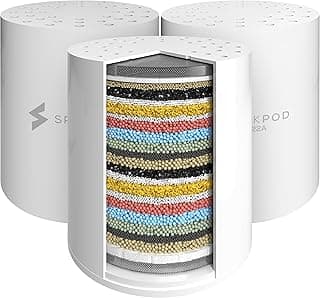
- Choose multi-stage media if hard water minerals are a problem, but skip single-media if you have well water with varied contaminants.
If your water test shows high sediment, prioritize pre-filters; otherwise, standard setups work fine for city supplies.
Flow Rate and Water Pressure
A good filter shouldn't turn your refreshing shower into a trickle. Flow rate matters for maintaining pressure, especially in households with multiple users.
- Aim for at least 2.5 GPM (gallons per minute) to match standard showerheads.
- Avoid units under 2 GPM unless you have low household pressure already.
If you live in a high-rise or share bathrooms, test pressure first—filters that preserve 90%+ flow keep everyone happy.
Filter Lifespan and Replacement Costs
Filters wear out over time, so capacity affects long-term value. Most last 3–12 months based on usage and water quality.
- Opt for 10,000–25,000 gallon capacities for average households to minimize replacements.
- Calculate annual costs: cheaper upfront units often mean pricier cartridges.
For heavy users or hard water areas, longer-life filters save money; replace every 6 months if you notice reduced flow.
Installation and Compatibility
Most shower filters twist on in minutes without tools, reducing setup fears. Compatibility with your showerhead or arm is key.
- Choose universal threading (1/2-inch) for most homes.
- Use inline models if you have fixed showerheads; handheld-compatible ones for flexibility.
If plumbing is old, add plumber's tape for a secure fit—no need for pros unless pipes are corroded.
Build Quality and Durability
A sturdy housing withstands daily moisture and pressure without cracking. Plastic is common, but reinforced options last longer.
- Feel for solid construction and BPA-free materials to avoid leaching.
- Check for leak-proof seals, especially in humid bathrooms.
For most users, mid-range builds hold up 2–5 years; upgrade if you want metal components for extra resilience.
Size, Maintenance, and Extra Features
Compact designs fit tight spaces, while extras like vitamin C pods appeal for specific benefits.
- Pick 3–5 inch lengths for standard arms; slimmer for low ceilings.
- Easy-twist cartridges simplify maintenance—avoid glued-in types.
If space is limited, prioritize slim profiles; add-ons like scale inhibitors help in very hard water but aren't essential for everyone.
Frequently Asked Questions About Shower Filters
What are the best shower filters for hard water areas?
In areas with hard water, prioritize shower filters that target calcium and magnesium buildup, as they prevent scale on fixtures and skin dryness. Look for models with multi-stage filtration using KDF and calcium sulfite media, which effectively reduce these minerals without slowing water flow. Most users notice softer skin and less soap residue after a couple of weeks.
How much do good shower filters cost?
Quality shower filters typically range from $30 to $80 upfront, with replacement cartridges costing $15 to $30 every 3-6 months depending on water hardness. If you're in a household with heavy use, factor in the long-term savings from fewer plumbing repairs and better hair health. In most cases, spending around $50 gets you reliable performance without overpaying.
Are shower filters safe for daily use?
Yes, reputable shower filters use non-toxic materials like KDF-55 and activated carbon that are safe for skin contact and don't leach harmful chemicals. They remove chlorine, heavy metals, and contaminants without adding anything undesirable to your water. If you have sensitivities, check for NSF-certified options to ensure consistent safety standards.
How easy is installing a shower filter?
Installation usually takes 5-10 minutes with no tools beyond maybe pliers for tight fittings—most screw directly onto your existing showerhead or arm. If your setup has unusual threading, a simple adapter often solves it. Users commonly report it's renter-friendly and doesn't require shutting off the main water supply.
Do shower filters really improve water quality and efficiency?
Effective shower filters reduce chlorine by up to 90% and other impurities, leading to clearer skin, healthier hair, and even better lather from soap. They maintain strong water pressure in most homes, filtering 10,000-20,000 gallons before needing a cartridge swap. For best results, replace on schedule to keep efficiency high.
Conclusion
Choosing from the best shower filters comes down to filtration technology, flow rate, and ease of installation—key factors that ensure cleaner water and healthier skin without hassle. You've seen how top options effectively reduce chlorine and contaminants, making a real difference in your daily routine.
With the right filter, you can confidently upgrade your shower experience. Consider your specific needs, like water hardness or household size, and select the model that fits best. Take the step today for fresher showers tomorrow.