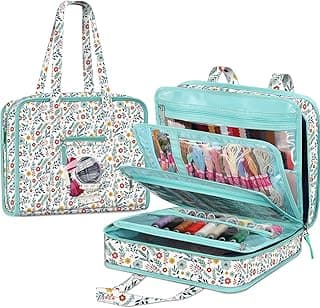
Buying Guide: Best Sewing Storage for Small Spaces
Finding sewing storage that fits into a tiny apartment or crowded craft corner often feels like a puzzle. You need options that keep notions, threads, and fabrics accessible without eating up precious floor space or creating clutter. This guide breaks down the key factors to consider for practical solutions tailored to compact living.
Space Dimensions and Fit
The first step is measuring your available area accurately—width, height, and depth matter equally in tight spots. Opt for units under 24 inches wide if you're working with shelves or desks. Wall-mounted or over-door designs work well if floor space is limited, freeing up room for your machine.
- If you have vertical space above a doorway, choose hanging organizers.
- For under-bed storage, prioritize slim profiles no deeper than 12 inches.
Capacity Relative to Your Needs
Assess your sewing habits: casual menders need less room than frequent quilters. Look for multi-tiered or modular systems that hold 50–100 small items like bobbins and pins without feeling stuffed. Expandable dividers help customize for threads versus scissors.
Avoid oversized bins that overwhelm small areas; instead, select stackable trays for flexibility as your collection grows.
Accessibility in Daily Use
In small spaces, fumbling for supplies mid-project wastes time and frustrates. Prioritize clear-front drawers or open cubbies for quick grabs. If you sew evenings in low light, translucent compartments make spotting items easier.
- Choose tilt-out bins if bending is an issue.
- Steer clear of deep, dark pockets that hide small tools.
Build Quality and Stability
Durable materials like reinforced plastic or lightweight metal hold up to frequent access without warping. In humid craft rooms, moisture-resistant finishes prevent fabric damage from spills. Test for wobble-free assembly, especially wall units, to avoid toppling hazards.
For most users, screw-in wall mounts provide better security than adhesive hooks in high-use setups.
Installation Ease
Many compact storage options require minimal tools—no drilling needed for tension rods or adhesive strips. If mounting is involved, check weight limits match your loaded capacity, often up to 20 pounds per shelf.
Start with freestanding if you're renting; switch to permanent fixtures for long-term stability. Assembly times under 30 minutes keep the process stress-free.
Cost and Long-Term Value
Expect to spend $20–$80 for reliable small-space solutions, balancing upfront cost with durability. Cheaper fabric pockets suit light use, while sturdier plastic or acrylic units offer better value for daily sewers.
If budget is tight, modular pieces let you start small and add on, avoiding regret over ill-fitting bulk buys.
Versatility for Multi-Purpose Rooms
In living areas doubling as sewing zones, neutral colors and slim profiles blend seamlessly. Collapsible or foldable designs pack away when not in use, ideal for shared spaces.
- If kids are around, lockable lids add peace of mind.
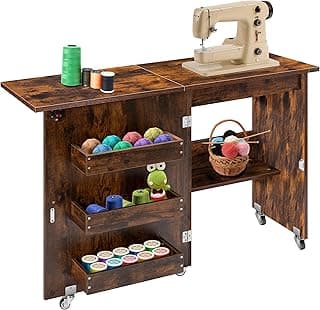
- Opt for wheeled bases if you move your setup often.
Frequently Asked Questions
What is the best sewing storage for small spaces on a budget?
Affordable sewing storage for small spaces often includes wall-mounted organizers or stackable bins that fit under tables, typically costing under $30. These options maximize vertical space without taking up floor area, making them ideal if you're watching your spending. Look for units with multiple compartments to keep thread, needles, and patterns sorted efficiently.
How do I ensure sewing storage solutions are safe for small apartments?
Choose sewing storage designed for small spaces with sturdy, tip-resistant bases or secure wall mounts to prevent falls, especially if you have kids or pets around. Opt for flame-retardant materials and avoid overstuffing shelves to maintain stability. In most cases, these safety features come built-in without extra installation hardware.
Is installation easy for compact sewing storage in tiny rooms?
Most sewing storage for small spaces requires minimal or no tools, like freestanding rolling carts that slide under a desk or adhesive-backed wall pockets. If wall mounting is needed, it usually just involves screws into studs, taking under 15 minutes. Always check weight limits to match your fabric and tool collection.
What makes sewing storage efficient for limited apartment space?
Efficient storage keeps everything accessible yet hidden, such as over-door hanging units or foldable cabinets that expand only when in use. These save time by organizing by project type—pins in one spot, scissors in another—reducing clutter in tight sewing nooks. Users find they cut setup time in half compared to scattered boxes.
How does sewing storage for small spaces compare to traditional cabinets?
Unlike bulky traditional cabinets that dominate rooms, compact sewing storage uses vertical or multi-functional designs to fit in corners or closets, often at half the price. It holds similar amounts through smart dividers but stays mobile for easy rearrangement. If your space is under 50 square feet, these outperform fixed units for daily use.
Conclusion
Finding the best sewing storage for small spaces comes down to prioritizing compact designs, efficient organization, and durability that fits your workflow. Look for options with stackable bins, wall-mounted solutions, or foldable carts to maximize every inch without clutter.
With the right choice, you'll streamline your sewing routine and enjoy a tidier space. Assess your specific needs—fabric volume, tool access, and portability—then select confidently. Start sewing more, searching less today.