Buying Guide: Best Sewing Baskets for Supplies
When you're searching for the right sewing basket to organize your supplies, it's easy to feel overwhelmed by the options. Many sewers struggle with baskets that either lack space for growing collections or fail to keep small items secure during transport. This guide breaks down the key factors to consider, helping you choose a practical option that fits your sewing habits without unnecessary expense or hassle.
Size and Capacity
Capacity matters because it determines how much you can store without constant reorganization. A basket that's too small leads to cluttered workspaces, while one that's oversized takes up unnecessary room.
- If you have a modest collection of threads, needles, and scissors, opt for a compact size around 10-12 inches in diameter.
- For larger stashes including patterns and multiple notions, choose one with 15-18 inches of depth to accommodate bulkier items.
- Avoid oversized models unless you sew frequently on the go, as they can become cumbersome to carry.
Compartments and Organization
Effective compartments prevent small items like pins and bobbins from getting lost, saving you time during projects. Without them, you'll spend more effort sorting than sewing.
- Look for adjustable dividers or multiple tiers if your supplies vary in size.
- Removable trays work well for frequent access, especially if you switch between hand-sewing and machine projects.
- Steer clear of baskets with fixed, shallow slots that can't hold larger tools like seam rippers or tape measures.
Material and Durability
The build material affects how well the basket holds up to daily use, from needle pricks to being bumped around in a craft room. Cheaper materials may warp or fray over time, leading to early replacement.
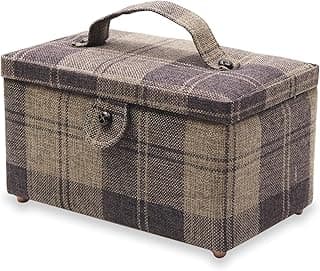
- Canvas or fabric exteriors suit casual home use, offering flexibility and light weight.
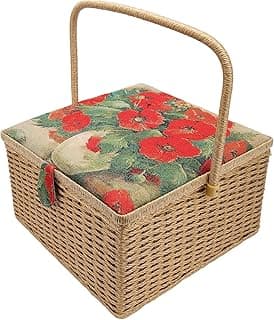
- Willow or rattan provides sturdier construction for frequent handling, resisting dents in most cases.
- Choose reinforced handles and stitching if you carry it often; test for flexibility to avoid brittle breaks.
Portability Features
If you sew in different spots like a living room or class, portability keeps everything contained and easy to move. Baskets without secure lids risk spilling contents mid-transport.
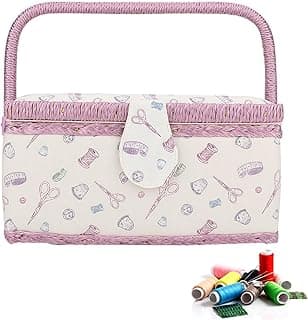
- A hinged or latch-closing lid secures items during travel.
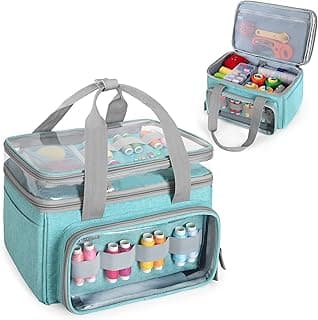
- Integrated handles or shoulder straps enhance comfort for longer distances.
- For stationary setups, prioritize stability over mobility to reduce tipping risks.
Additional Practical Touches
Small features can make a big difference in everyday convenience, like built-in pincushions or thread holders that keep essentials at hand.
- Opt for ones with magnetic pin strips if you work with lots of pins.
- Clear lid windows help you spot items quickly without opening.
- Consider moisture-resistant linings if you live in a humid area to protect threads from mildew.
By focusing on these factors—tailored to your sewing frequency and space—you'll find a sewing basket that streamlines your workflow. Start with your most common supplies, measure your current setup, and you'll avoid common pitfalls like underestimating storage needs.
Frequently Asked Questions About Sewing Baskets for Supplies
What should I look for in the best sewing baskets for supplies?
Focus on sturdy construction with multiple compartments to keep needles, threads, and scissors organized without spilling. A good handle and compact size make it easy to carry around your sewing space or take on the go. Opt for ones with secure lids if you have kids or pets, as this prevents small items from becoming hazards.
How much do quality sewing baskets for supplies typically cost?
Expect to pay between $15 and $40 for a durable option that lasts years, depending on materials like wood or reinforced fabric. Cheaper ones under $10 might work for light use but often lack compartments and break easily. In most cases, spending a bit more ensures better organization and value over time.
Are sewing baskets safe for homes with children or pets?
Choose baskets with latch closures or magnetic lids to keep sharp pins and needles securely inside. Fabric-lined interiors prevent metal tools from poking through, reducing injury risks. If safety is a top priority, avoid open-top designs and test the stability by shaking it gently when full.
What's the best way to set up and organize a sewing supply basket?
Start by sorting small items like buttons and bobbins into divided trays or pouches within the basket for quick access. Place frequently used tools like scissors on top and heavier items at the bottom for balance. This setup saves time during projects—no more digging through clutter.
How do different types of sewing baskets compare for everyday use?
Wooden baskets offer a classic look and sturdiness for stationary setups, while portable fabric ones are lighter for travel. Compartment-heavy designs beat simple single-layer baskets for efficiency if you have lots of supplies. Pick based on your space: wall-mountable or stackable versions work best in small sewing areas.
Conclusion
When selecting the best sewing baskets for supplies, prioritize durable construction, ample compartments, and portability to keep your tools organized and accessible. The right basket simplifies your crafting routine, whether you're a beginner or seasoned sewist.
Consider your specific needs—space for notions, ease of carrying, or stylish design—and you'll make a confident choice. Pick the model that fits your workflow best and elevate your sewing experience today.