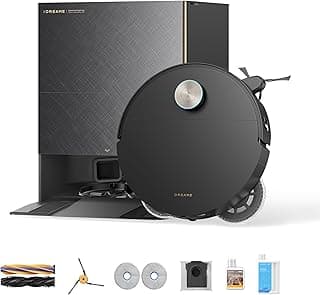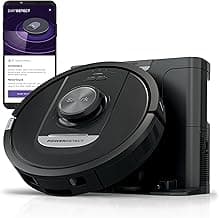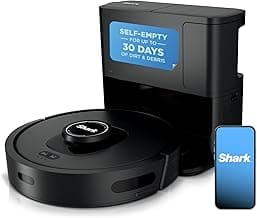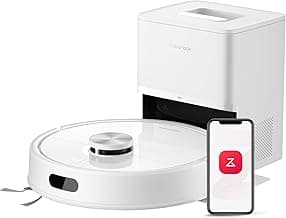

Buying Guide: Best Self Empty Robot Vacuums for Carpet
Many people researching self-emptying robot vacuums for carpeted homes worry about whether they'll actually pick up pet hair or embedded dirt without constant intervention. The good news is that with the right features, these devices can handle thick carpets effectively while minimizing your hands-on time.
Suction Power and Carpet Performance
Suction power determines how well a robot vacuum tackles carpet fibers, lifting dirt, debris, and hair from low- to high-pile rugs. For carpeted homes, look for models with at least 2000Pa of suction, as this handles most everyday messes without struggling.
- If you have medium- or high-pile carpets, prioritize adjustable suction modes that ramp up automatically.
- Avoid units under 1500Pa, which often leave behind fine dust on thicker carpets.
In most cases, strong suction paired with carpet-specific brushes prevents common issues like hair tangles.
Self-Emptying Base Capacity
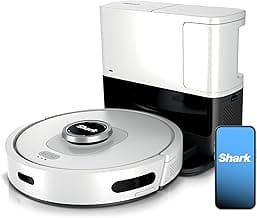
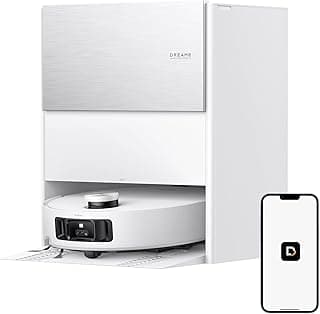
The self-emptying dock's bin size matters because it reduces how often you need to empty debris manually—ideal for larger carpeted spaces. A base holding 2.5L or more can manage up to 60 days of dirt from typical households.
- Choose larger capacities if you have pets or high-traffic areas to avoid frequent maintenance.
- For smaller homes, a 1.5L base works fine and takes up less space.
This feature shines on carpets, where debris volume builds up quickly from embedded particles.
Battery Life and Coverage
Effective battery life ensures the robot completes full cleanings on carpet without frequent recharges, which can interrupt schedules. Aim for at least 90-120 minutes of runtime to cover up to 2000 sq ft per session.
- If your home has multiple carpeted rooms, opt for models with recharge-and-resume functionality.
- Shorter batteries suit apartments but may require more mapping in bigger spaces.
For most users with carpets, this prevents half-done jobs and keeps floors consistently clean.
Navigation and Obstacle Avoidance
Smart navigation helps robots maneuver around furniture legs and thresholds common in carpeted rooms, ensuring thorough coverage. LiDAR or camera-based systems with obstacle detection perform best, mapping homes accurately on the first try.
- Select units with multi-floor mapping if you have upstairs carpets.
- Basic sensors work for open layouts but falter in cluttered carpeted homes.
If navigation is weak, robots often miss spots or get stuck, wasting time and battery.
Brushroll Design for Carpets
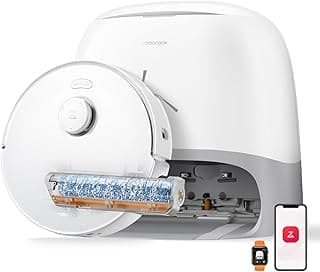
Specialized brushrolls prevent hair wrap-ups and agitate carpet fibers effectively. Dual rubber or bristle-less rollers excel on carpets by channeling debris to the suction path without maintenance hassles.
- Go for anti-tangle designs if pet hair is an issue on your carpets.
- Standard brushes suit low-pile but clog faster on thicker rugs.
In practice, the right brushroll makes a noticeable difference in pickup efficiency over time.
Noise Levels and Usability
Quiet operation lets you run the vacuum during work calls or naps, especially useful in carpeted homes where suction ramps up. Models under 65dB feel unobtrusive for daily use.
- Self-emptying cycles are louder—check for bases with sound insulation if noise bothers you.
- Louder units are fine for daytime runs in empty homes.
App controls add convenience, letting you schedule carpet-specific cleanings remotely.
Maintenance and Long-Term Costs
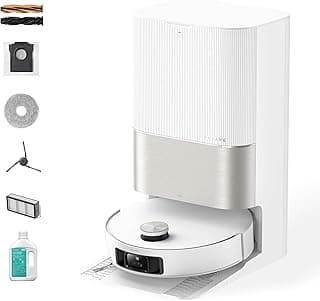
Low-maintenance models save money and effort over years. Replaceable parts like filters and bags every 3-6 months keep performance high without surprises.
- Factor in bag costs—washable options reduce ongoing expenses.
- Durability matters; reinforced components handle carpet abrasion better.
For carpet owners, choosing easy-to-maintain units ensures reliable performance without hidden fees.
Best Self Emptying Robot Vacuums for Carpet: FAQ
Are self emptying robot vacuums effective on carpets?
Yes, self emptying robot vacuums with strong suction and adjustable power excel on carpets, picking up embedded dirt and pet hair effectively. They often feature specialized brushes that agitate fibers for deeper cleaning compared to standard models. If your carpets are thick or high-pile, look for ones with multiple suction levels to handle varying textures without getting stuck.
How much do the best self emptying robot vacuums for carpet cost?
Expect to pay between $400 and $1000 for top self emptying robot vacuums suited for carpets, depending on features like advanced mapping and battery life. Higher-end options justify the cost with larger self-emptying bases that hold weeks of debris and better carpet performance. In most cases, mid-range models around $600 offer the best value for everyday carpet cleaning without unnecessary extras.
Is installation easy for self emptying robot vacuums on carpeted floors?
Installation is straightforward: just place the self-emptying base against a wall near an outlet, download the app, and let it map your space. On carpets, ensure the base sits on a hard surface or thin mat to avoid tipping during auto-empty cycles. The initial setup takes about 15-20 minutes, and it rarely needs adjustments afterward.
Are self emptying robot vacuums safe for homes with pets or kids on carpets?
Most self emptying robot vacuums include cliff sensors, obstacle avoidance, and gentle bumpers to navigate safely around pets and children on carpets. They automatically return to the base to empty without spreading dust, reducing allergen exposure. If you have small pets, opt for models with height-adjustable brushes to prevent snags on toys or fur clumps.
How do self emptying robot vacuums compare for carpet versus hard floors?
Self emptying robot vacuums perform well on both, but carpet-optimized ones boost suction automatically for better deep cleaning on rugs and low-pile carpets. On hard floors, they switch to efficient edge-sweeping modes, but the self-empty feature shines everywhere by minimizing manual bin handling. Overall, they're more efficient on mixed flooring if they detect surfaces via sensors.
Conclusion
Choosing the best self empty robot vacuums for carpet comes down to strong suction power, effective edge cleaning, and reliable self-emptying docks that handle pet hair and debris without fuss. Prioritize models with smart navigation and multi-surface adaptability for seamless performance on thicker carpets.
With these key factors in mind, you're well-equipped to make a confident decision that fits your home and lifestyle. Take a moment to match features to your needs, and enjoy hands-free cleaning that truly works.