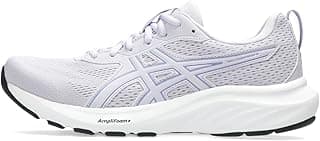
Buying Guide: Best Running Shoes Under $150
Many runners feel overwhelmed when shopping for affordable shoes, wondering if options under $150 can deliver the support and comfort needed for regular runs without compromising on quality or leading to injuries. The good news is that plenty of solid pairs fit this budget, as long as you focus on key factors tailored to your routine.
Fit and Sizing
Proper fit is crucial because shoes that are too tight or loose can cause blisters, hotspots, or uneven wear during runs. In real use, your feet swell slightly on longer runs, so aim for about a thumb's width of space at the toe.
- Measure both feet and go by the larger one, especially if you have high arches or wide feet.
- If you run in the morning, try shoes later in the day when feet are naturally more swollen.
- Avoid sizing down to "break them in," as this often leads to discomfort over time.
For most users, prioritizing a secure midfoot and heel lockdown while allowing toe movement makes a noticeable difference in comfort.
Cushioning and Comfort
Cushioning absorbs impact on pavement or trails, reducing fatigue on joints during 5K to half-marathon distances. Too little cushioning feels harsh on hard surfaces, while excess can make shoes feel unstable.
- Choose responsive foam midsoles if you prefer a bouncy feel for speed work.
- Opt for thicker stacks around 25-35mm at the heel for daily road running.
- Test in-store by jogging if possible to gauge plushness without over-softening.
If you're a heavier runner or logging high mileage, then prioritize durable cushioning that holds up over 300-500 miles.
Drop and Stack Height
Heel-to-toe drop (the height difference between heel and forefoot) affects your stride; a higher drop suits heel strikers, while lower promotes midfoot landing. Stack height influences overall ride feel.
- Select 8-12mm drop for beginners transitioning from walking.
- Go lower, like 4-8mm, if you have a natural forefoot strike.
- Match stack to your gait: taller for protection, shorter for agility on varied terrain.
In most cases, trying a few drops helps identify what feels natural for your biomechanics.
Support and Stability
Shoes with good stability prevent excessive inward rolling (overpronation), which can strain knees on longer runs. Neutral shoes work for balanced gaits, but added support helps if you notice fatigue-related wobbles.
- Look for firm sidewalls or guide rails if you overpronate mildly.
- Stick to neutral designs for efficient strides without stability needs.
- Avoid rigid stability shoes unless assessed, as they can alter natural motion.
If you're prone to ankle rolls on uneven paths, then stability features provide reassurance without bulk.
Outsole Durability and Grip
A tough outsole with strategic rubber placement extends shoe life and prevents slips on wet roads or light trails. Worn treads lead to quicker replacements, eating into your budget.
- Seek exposed rubber in high-wear zones like the heel and forefoot for 400+ miles.
- Choose multi-directional lugs for versatile surfaces beyond smooth pavement.
- Skip thin outsoles if you run on abrasive concrete daily.
For city runners, durable grip ensures confidence in rain without premium pricing.
Breathability and Weight
Breathable uppers keep feet cool and dry, preventing overheating on hot days, while lighter shoes reduce leg fatigue over distance. Heavy pairs drain energy faster on tempo runs.
- Pick engineered mesh for airflow if you run in warm climates.
- Aim for under 10 ounces per shoe for everyday training.
- Balance weight with structure; don't sacrifice support for minimalism alone.
If summer runs are your norm, then airy designs paired with moderate weight enhance comfort significantly.
Budget and Value Considerations
Staying under $150 means focusing on value: shoes that balance performance and longevity without gimmicks. Sales or older models often deliver comparable tech at lower costs.
- Factor in expected mileage; higher durability justifies the spend.
- Check return policies for fit trials without risk.
- Weigh warranties—one-year coverage adds peace of mind.
For most runners, pairing these factors with your weekly mileage and terrain leads to shoes that perform reliably within budget.
Best Running Shoes Under $150 FAQ
What are the best running shoes under $150 for daily training?
For daily training runs, look for shoes with balanced cushioning and a responsive midsole that holds up over 300-400 miles. In most cases, options around $120-140 offer durable outsoles and breathable uppers without skimping on support, making them ideal if you're logging 20-30 miles weekly. Prioritize a snug heel fit to prevent blisters during longer sessions.
Are running shoes under $150 safe for beginners or high-mileage runners?
Yes, many affordable running shoes under $150 provide solid stability and shock absorption to reduce injury risk, especially if you match the shoe to your foot type and gait. They're safe for beginners starting with 10-15 mile weeks, but high-mileage runners may need to rotate pairs to extend their lifespan beyond 400 miles. Always test the fit in-store or during a return period to ensure proper arch support.
How do affordable running shoes under $150 compare to pricier models?
Shoes under $150 often deliver 80-90% of the performance of premium pairs in cushioning and energy return, though they might wear faster on rough terrain. If you're not racing competitively, the value shines in everyday use where differences are minimal for most runners. Check stack height and drop measurements to find close matches to higher-end designs.
What's the best value in running shoes under $150 for different terrains?
For roads, cushioned neutral shoes around $110 excel with good traction and lightweight builds; trail versions under $150 add grippy lugs but sacrifice some speed. Efficiency comes from responsive foams that maintain bounce without excess weight, helping you sustain pace. Consider your weekly mileage to pick durability levels that match.
Do cheap running shoes under $150 last as long as expensive ones?
In practical use, well-made shoes under $150 typically last 350-500 miles with proper care like rotating pairs and avoiding machine drying. They may show midsole compression sooner than $200+ models, but for casual runners, this aligns with replacement cycles. Inspect for even wear patterns every 100 miles to maximize longevity.
Conclusion
Finding the best running shoes under $150 comes down to prioritizing cushioning, support, and durability that match your stride and terrain. We've highlighted options that deliver reliable performance without compromising on quality or comfort.
With smart choices, you can confidently upgrade your runs on a budget. Consider your foot type, mileage goals, and fit preferences to select the ideal pair. Lace up today and experience the difference a great shoe makes.