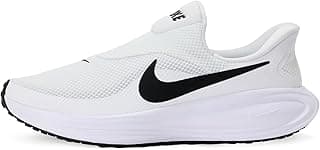
Buying Guide: Best Running Shoes Under $100
Many runners feel overwhelmed when shopping for affordable shoes, wondering if options under $100 can deliver the support and comfort needed for regular runs without quick breakdowns or injuries. The good news is that with a few key checks, you can find pairs that hold up well for everyday use.
Shoe Type for Your Running Style
Choosing the right category matters because it matches your foot strike and terrain, reducing strain during runs. Road shoes work best for pavement, while trail versions add grip for uneven paths.
- If you run mostly on streets, opt for road-focused designs with smooth outsoles.
- For trails or mixed surfaces, look for aggressive lugs to avoid slips.
- Avoid neutral shoes if you overpronate; stability options help in those cases.
Cushioning and Comfort Levels
Cushioning absorbs impact, which is crucial for longer runs or heavier runners to prevent fatigue and soreness. Too little feels harsh on joints; too much can lack responsiveness.
- Seek at least 25-30mm heel stack for moderate cushioning in budget pairs.
- Test for plushness underfoot—if it feels firm right away, pass for high-mileage use.
- For shorter runs or speedwork, medium cushioning often suits most users better.
Fit and Sizing Essentials
A poor fit leads to blisters or instability, common pitfalls in cheaper shoes. Budget models can run narrow or short, so prioritize room for toe splay.
- Go half to full size up from your everyday shoes, as feet swell on runs.
- Check for a wide toe box if you have broader feet—cramped toes cause issues fast.
- Try them with running socks; heel lockdown prevents slipping without excess tightness.
Durability and Outsole Strength
Under $100, outsoles wear quicker on abrasive surfaces, so focus on rubber coverage to extend life beyond 300-400 miles for casual runners.
- Look for thick, durable rubber in high-wear zones like the heel and forefoot.
- Avoid thin or exposed midsoles, which degrade fast on roads.
- If you run on concrete often, prioritize exposed EVA foam with strong overlays.
Weight and Responsiveness
Lighter shoes feel more energetic for faster paces, but heavier ones offer stability. In this price range, aim for balance to avoid sluggishness.
- Target 8-10 ounces per shoe for men, 7-9 ounces for women in daily trainers.
- If tempo runs are your focus, lean lighter; for easy miles, slightly heavier is fine.
- Test bounce—responsive foam keeps legs fresh without adding bulk.
Breathability and Upper Quality
Good airflow keeps feet cool and dry, especially in warm weather or longer sessions. Mesh uppers in budget shoes vary, so inspect for ventilation.
- Choose engineered mesh over basic fabric for better airflow and flexibility.
- Avoid stiff overlays that restrict movement or trap heat.
- For wet conditions, semi-waterproof linings help without sacrificing breathability.
Support and Stability Features
Stability prevents rolling ankles, vital if you have flat feet or mild pronation. Budget shoes often skimp here, so check for guiding elements.
- If neutral, ensure a wide base; for stability, look for medial posts or firm midsoles.
- Skip if drop exceeds 10mm and feels off—match your gait.
- Most users do well with moderate arch support for versatile daily runs.
Frequently Asked Questions About Affordable Running Shoes
What are the best running shoes under $100 for daily training?
For daily training runs of 3-5 miles, look for shoes with good cushioning and a breathable upper that still hold up after 300 miles. In most cases, options under $100 offer reliable support for neutral runners if you prioritize mesh designs for ventilation during warmer weather. They might not match premium durability, but they'll get you through consistent workouts without breaking the bank.
Are running shoes under $100 safe for beginners or long distances?
Yes, many affordable running shoes provide solid safety features like adequate arch support and grippy outsoles to prevent slips on pavement or trails. If you're a beginner logging up to 20 miles weekly, choose pairs with at least 8mm heel-to-toe drop for joint protection during longer distances. Always replace them every 400-500 miles to maintain stability and avoid injury risks.
How do budget running shoes compare to more expensive models?
Shoes under $100 often deliver 80-90% of the performance of pricier ones in cushioning and responsiveness for casual runners, but they may wear out faster on rough surfaces. You'll notice less advanced energy return in high-mileage scenarios, yet for most users under 30 miles per week, the difference is minimal. Prioritize fit over hype—try them on to ensure they match your foot shape better than a $150 pair might.
Can I find durable running shoes for under $100 that last?
Durable options under $100 typically feature reinforced heels and midsoles that withstand 300-400 miles of regular use, especially if you're running on roads rather than trails. Look for thicker rubber outsoles to extend lifespan without sacrificing flexibility. In practice, proper care like rotating pairs and avoiding extreme heat helps them outlast expectations on a tight budget.
What should I check when buying cheap running shoes to ensure value?
Focus on stack height over 25mm for comfort, a secure heel fit to prevent blisters, and lightweight materials under 10 ounces per shoe for efficiency on runs. Compare user feedback on real-world mileage rather than specs alone, as this reveals true value for money. If your runs involve varied terrain, verify the outsole pattern suits your routes to maximize efficiency without overspending.
Conclusion
Finding the best running shoes under $100 comes down to prioritizing cushioning, support, and durability that match your running style and foot type. We've highlighted options that deliver reliable performance without breaking the bank, proving you don't need to spend a fortune for quality.
With the right fit and features, these shoes can enhance your runs and keep you comfortable mile after mile. Take a moment to assess your needs, pick the model that aligns best, and step confidently into your next workout.