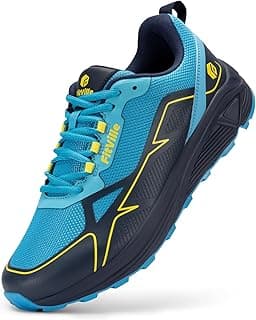
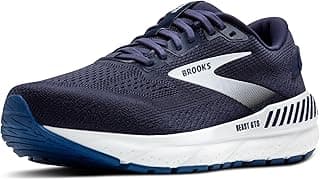
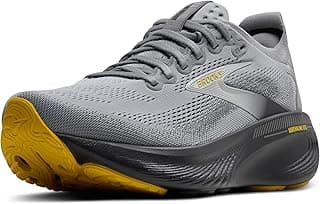
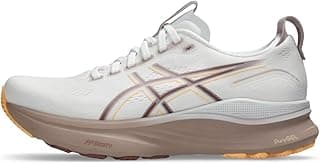
Buying Guide: Best Running Shoes for Flat Feet
If you have flat feet, finding running shoes that feel supportive without causing discomfort can be frustrating. Many runners with low arches deal with overpronation, where the foot rolls inward excessively, leading to pain in the ankles, knees, or hips during runs. This guide breaks down the key factors to consider for shoes that suit flat feet, helping you focus on what works in real-world running scenarios.
Arch Support and Stability
Flat feet often lack natural arch support, so shoes with built-in stability features help control overpronation and reduce strain. In most cases, look for shoes labeled as "stability" models, which use firmer midsoles on the inner side to guide your foot properly.
- If you overpronate noticeably, prioritize shoes with medial posts or dense foam inserts for added guidance.
- Avoid neutral shoes without stability, as they can worsen fatigue on longer runs.
Test in-store by doing a short jog; if your foot feels guided rather than wobbly, it's a good fit for your gait.
Cushioning Level
Adequate cushioning absorbs impact, which is crucial for flat-footed runners prone to joint stress. Softer foams in the heel and forefoot provide comfort, but too much can feel unstable.
- Opt for moderate to high cushioning (around 25-35mm stack height) if you run on pavement or longer distances.
- Choose firmer cushioning for trails or if you prefer a responsive feel.
Balance is key: enough padding to protect without compressing too much under your weight.
Heel-to-Toe Drop
The drop, or height difference between heel and forefoot, affects how your foot lands. For flat feet, a drop that matches your stride helps maintain alignment.
- If you heel strike, go for a 8-12mm drop to ease Achilles tension.
- Midfoot or forefoot strikers may prefer 4-8mm for a more natural roll.
Experiment during a fitting—lower drops suit faster paces, while higher ones aid beginners transitioning to running.
Fit and Width Options
Flat feet can lead to wider forefeet, so proper width prevents blisters and hotspots. Shoes should secure the midfoot while allowing toe splay.
- Measure both feet and add 1/2 thumb's width at the longest toe for swelling during runs.
- Choose wide (2E or 4E) options if standard fits feel snug in the ball of the foot.
Always try shoes in the afternoon when feet are slightly swollen for a true-to-life fit.
Durability and Outsole Grip
Running shoes for flat feet endure extra stress from overpronation, so durable materials extend their life. A grippy outsole prevents slips on varied surfaces.
- Look for thick rubber coverage on the outer heel and forefoot, lasting 300-500 miles for most users.
- Carbon rubber outsoles offer better traction if you run in wet or uneven conditions.
Inspect for reinforced uppers to avoid early breakdowns, especially if you're a heavier runner.
Weight and Flexibility
Lighter shoes reduce fatigue on long runs, but flat feet benefit from some structure. Flexibility in the forefoot aids natural push-off.
- Aim for 8-10 ounces per shoe if stability is your priority over speed.
- Stiffer heels with flexible toes work well for daily training.
If racing, lean toward lighter builds; for recovery runs, added weight from support is often worth it.
Breathability and Upper Material
Good ventilation keeps feet cool and dry, preventing blisters common with flat feet's tendency to sweat more. Engineered meshes outperform solid fabrics.
- Seek seamless uppers with multiple vents for hot climates or high-mileage weeks.
- Avoid overly rigid materials that restrict movement.
In colder weather, pair with moisture-wicking socks to maintain comfort.
FAQ: Best Running Shoes for Flat Feet
What should I look for in running shoes for flat feet?
Focus on shoes with strong arch support and stability features to prevent overpronation, which is common with flat feet. Cushioning in the midsole helps absorb impact during runs, reducing strain on your ankles and knees. In most cases, a wider base and firm heel counter provide the stability needed for safer, more comfortable mileage.
Are stability running shoes worth the extra cost for flat feet?
Yes, if you run regularly, the added cost—often $20 to $50 more than basic shoes—pays off in injury prevention and longer shoe life. Cheaper options might lack the medial posts or supportive foams that correct your gait, leading to quicker wear and potential pain. Prioritize value by choosing durable models that last 300-500 miles with proper support.
How do I know if running shoes fit my flat feet properly?
Try them on in the afternoon when your feet are slightly swollen, and ensure there's a thumb's width of space at the toe. For flat feet, check that the shoe doesn't collapse inward when you press the midsole; it should feel firm yet responsive. Walk and jog in-store if possible to confirm no rubbing or instability, as fit directly impacts safety on varied terrain.
What's the difference between neutral and stability shoes for flat feet runners?
Neutral shoes offer basic cushioning but little correction, making them less ideal for flat feet prone to rolling inward. Stability shoes add guided support to keep your foot aligned, improving efficiency and reducing fatigue on long runs. If you're a beginner with flat feet, start with stability to build confidence before experimenting.
How often should I replace running shoes designed for flat feet?
Replace them every 300-500 miles or when the cushioning feels flat, as worn-out support can lead to shin splints or plantar fasciitis. Track mileage with a running app to stay ahead, especially since flat feet put extra stress on the midsoles. Rotating two pairs extends their life and keeps your runs safer.
Conclusion
Choosing the best running shoes for flat feet comes down to prioritizing stability, ample cushioning, and a supportive arch structure. These elements help reduce overpronation, minimize discomfort, and prevent injuries during your runs.
With the right fit tailored to your needs, you can run confidently and comfortably. Take time to consider your running style, foot shape, and mileage to select the ideal pair. Your feet deserve the support that keeps you moving forward—step into better runs today.