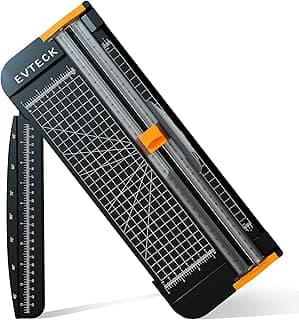
Buying Guide: Best Rotary Paper Trimmers for Classrooms
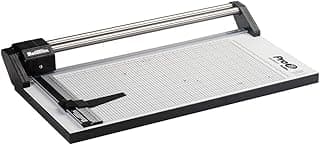
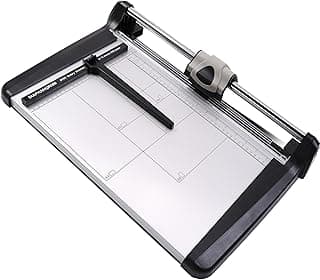
Teachers often face the challenge of trimming stacks of worksheets or art projects quickly without frayed edges or safety risks in a busy classroom. Rotary paper trimmers can handle this better than guillotine styles, but choosing one suited to daily group use helps avoid frustration and replacements.
Cutting Capacity and Paper Thickness
This determines how many sheets you can trim at once, which matters for efficiency during lesson prep or student activities. In classrooms, handling 20–50 sheets of standard printer paper prevents multiple passes that slow you down.
- If you trim thick cardstock or construction paper regularly, look for models rated for up to 1.5mm thickness.
- For lighter daily use like handouts, 10–30 sheets suffices and keeps the tool compact.
- Avoid overestimating needs—higher capacities add bulk that may not fit small desks.
Blade Length and Trim Size
Blade length sets the maximum paper width you can cut in one go, crucial for posters, banners, or full-size sheets. Classroom projects often involve A4 or letter-size paper, so 12–18 inches covers most scenarios without excess size.
- Opt for 15-inch blades if group crafts involve larger formats.
- Shorter 9–12 inch options work well for desk space in elementary settings.
- Test with your typical paper sizes to ensure straight, full-length cuts every time.
Safety Features for Shared Use
With students around, safety reduces accidents from curious hands. Rotary trimmers inherently minimize pinch risks compared to other types, but added features provide peace of mind.
- Seek locking mechanisms or blade guards that engage automatically.
- Non-slip mats prevent shifting during cuts, especially with wiggly younger users.
- If multiple classes share it, prioritize models with clear edge indicators to guide precise placement safely.
Build Quality and Durability
Classroom tools endure drops, spills, and heavy handling, so sturdy construction extends usability over years. Metal bases and reinforced rails hold up better than plastic in active environments.
- Check for self-sharpening blades to maintain clean cuts without frequent replacements.
- Look for aligned guides that stay accurate after repeated use.
- For portability between rooms, lightweight yet robust frames around 5–10 pounds strike a balance.
Ease of Use and Portability
Quick setup and intuitive operation save time in fast-paced school days. Portable designs fit into supply closets or travel easily.
- Choose foldable or compact units if storage space is tight.
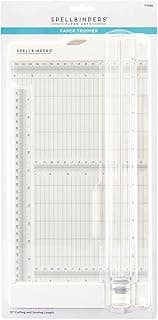
- Transparent rulers and grid bases help students learn measurements independently.
- Light pressure requirements make it accessible for all ages without strain.
Maintenance and Long-Term Costs
Low upkeep keeps it reliable without surprise expenses. Blades that last 1,000–5,000 cuts suit moderate classroom volume.
- If you cut heavily, select easy blade-swap models to avoid downtime.
- Consider overall value—durable ones often cost less per year than frequent cheap replacements.
- Clean debris regularly to prevent jams, extending life regardless of price.
Best Rotary Paper Trimmers for Classrooms: Frequently Asked Questions
What should I look for in the best rotary paper trimmers for classrooms?
When choosing rotary paper trimmers for classroom use, prioritize models with a cutting capacity of at least 10-15 sheets, a sturdy metal base for stability, and a clear grid guide for precise measurements. Safety features like blade guards and locking mechanisms are essential around kids, and portable designs under 5 pounds make them easy to move between activities. Efficiency comes from smooth rotary blades that handle frequent use without jamming, ensuring quick prep for art projects or worksheets.
Are rotary paper trimmers safe for classroom environments with children?
Yes, most high-quality rotary paper trimmers designed for educational settings include safety locks and enclosed blades that prevent accidental cuts, making them far safer than guillotine styles for kids. In most cases, teachers report no incidents when supervising use and storing the trimmer properly after class. Opt for models with ergonomic handles and non-slip feet to minimize mishaps during busy craft sessions.
How much do the best rotary paper trimmers for classrooms typically cost?
Expect to pay between $20 and $60 for reliable rotary paper trimmers suited for classrooms, with basic models around $25 handling everyday needs and heavier-duty ones closer to $50 for larger cutting widths. This range balances cost with durability, avoiding cheap options that dull quickly or premium ones unnecessary for school budgets. Factor in blade replacements, usually $5-10, for long-term savings.
What's the difference between rotary paper trimmers and guillotine cutters for school use?
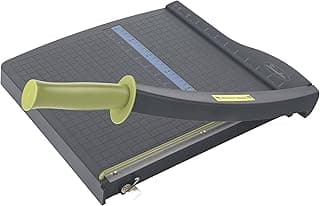
Rotary paper trimmers offer cleaner, straighter cuts on multiple sheets with less force, ideal for classrooms needing precise shapes for bulletin boards or student work, while guillotine cutters are faster for single sheets but riskier around children due to exposed blades. If your class does frequent crafting, rotary models excel in efficiency and safety without sacrificing speed on standard paper stocks. Teachers often prefer rotary for its versatility in cutting photos or cardstock too.
Do rotary paper trimmers require any setup or installation in a classroom?
No installation is needed—these trimmers are ready to use right out of the box, typically requiring just a quick blade alignment check and placement on a flat desk or cart. In most cases, setup takes under 2 minutes, with no tools or assembly involved, so you can start trimming immediately. For best results, secure it with the built-in latch during storage to keep it classroom-ready.
Conclusion
Selecting the best rotary paper trimmers for classrooms comes down to prioritizing safety features, precise cutting capacity, and durable construction that withstands daily use by students. Models with smooth rotary blades and sturdy guides ensure clean, accurate trims on various paper types without fraying edges.
You can feel confident in your choice by matching these essentials to your classroom's specific needs, like group sizes or project volumes. Take a moment to pick the right one today—it'll make crafting sessions more efficient and enjoyable for everyone involved.