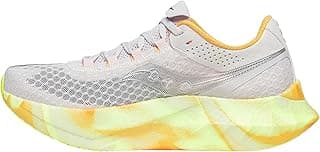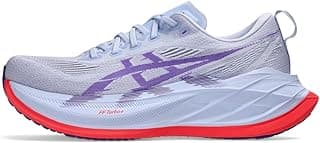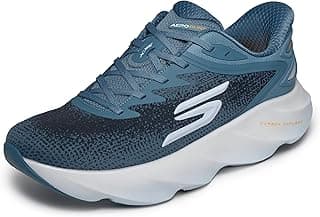

Buying Guide: Best Road Running Shoes
Choosing road running shoes often feels overwhelming with so many options promising comfort and performance. Many runners end up with pairs that cause blisters or wear out quickly because they overlook key fit and usage factors. This guide breaks down the essentials to help you pick shoes that match your routine and reduce common regrets.
Fit and Sizing
Proper fit is crucial because road running involves repetitive impact, and even a slight mismatch can lead to hot spots or instability. Shoes should feel snug through the midfoot but with about a thumb's width of space at the toe to account for foot swelling on longer runs.
- Try shoes on in the afternoon when feet are naturally larger.
- If you have wide feet, opt for models labeled as such to avoid pinching.
- Always test with running socks you typically wear.
For most users, prioritizing fit over style prevents injuries and extends shoe life.
Cushioning and Stack Height
Cushioning absorbs road shock, which matters most for joint comfort during daily training. Stack height—the foam thickness underfoot—ranges from 20mm to 40mm; lower for a grounded feel, higher for plush protection.
- If you run high mileage, choose higher stack heights for better impact reduction.
- For speedwork or races, go lower to maintain responsiveness.
- Avoid extremes if you're new to running, as they can alter your natural stride.
In most cases, balanced cushioning suits everyday road runners without sacrificing agility.
Drop and Heel-to-Toe Geometry
Drop measures the height difference between heel and forefoot, typically 4mm to 12mm. It influences calf strain and Achilles loading, so matching it to your gait helps sustain longer runs comfortably.
- If you heel strike, a 8-12mm drop eases transition.
- Midfoot or forefoot strikers often prefer 4-8mm for efficiency.
- Test in-store by jogging to feel natural propulsion.
Generally, sticking close to your current drop minimizes adaptation time and discomfort.
Weight and Responsiveness
Lighter shoes reduce fatigue on tempo runs, while slightly heavier ones offer durability for training. Aim for 7-10 ounces per shoe for balanced road performance without excess bulk.
- Choose lighter if racing or doing intervals is your focus.
- Opt for more robust builds for rough urban pavement.
- Feel the shoe's energy return by bending it—stiffer forefeet aid push-off.
For typical road runners, moderately light shoes strike a good compromise between speed and longevity.
Outsole Grip and Durability
Road outsoles need rubber compounds that grip wet pavement without wearing fast. Exposed high-density rubber in key areas lasts 300-500 miles for most users.
- Look for dense rubber coverage under the heel and forefoot.
- Avoid overly soft treads if you run on gritty surfaces—they shed prematurely.
- Check flex points for even wear patterns.
If your routes include rain or debris, prioritize traction to maintain confidence stride after stride.
Upper Breathability and Security
A breathable upper prevents overheating on warm runs, while a secure lockdown avoids slippage. Engineered mesh with strategic overlays balances ventilation and support.
- Ensure gusseted tongues and padded heels for blister prevention.
- If you pronate, seek structured sidewalls without bulk.
- Test for toe box room to avoid pressure during swelling.
In humid climates or long efforts, airflow makes a noticeable difference in comfort.
Price and Replacement Cycle
Road shoes cost $100-200, reflecting quality materials that withstand pavement abuse. Replace every 300-500 miles or when cushioning compresses to maintain support.
- Budget-friendly options work well for casual runners logging under 20 miles weekly.
- Invest more if high mileage demands longevity.
- Track wear by checking midsole creasing and outsole thinning.
If you're consistent, viewing shoes as a per-mile expense clarifies value over time.
Frequently Asked Questions About Road Running Shoes
What are the best road running shoes for everyday training?
For daily road runs, look for shoes with balanced cushioning and a responsive midsole that handles pavement impacts without feeling too soft. If you're logging 20-30 miles a week, prioritize models with durable outsoles to extend their life up to 400 miles. They should fit snugly in the heel but allow toe splay for comfort during longer sessions.
How much do good road running shoes cost?
Quality road running shoes typically range from $100 to $160, depending on the cushioning tech and materials used. In most cases, spending around $130 gets you reliable durability and performance that lasts through hundreds of miles. If you're on a budget, check for last-season models that offer similar features at 20-30% less without sacrificing safety.
Which road running shoes are safest for high-mileage runners?
The safest options feature enhanced stability elements like wider bases or firm sidewalls to prevent ankle rolls on uneven roads. If you overpronate, choose shoes with structured support to reduce injury risk during 10K+ runs. Good traction on wet pavement is key, so rubber outsoles with strategic grooves help maintain grip in rainy conditions.
How do I know when to replace my road running shoes?
Replace them every 300-500 miles or when you notice compressed cushioning, worn treads, or increased soreness after runs. Track your mileage with a running app to stay ahead of breakdowns that could lead to injuries. In most cases, visual checks for creases in the midsole or heel slippage signal it's time for new ones.
What should I consider when comparing road running shoes for efficiency?
For better running efficiency, seek shoes with lightweight foams that promote a quick turnover and energy return on asphalt. Narrower fits can enhance propulsion if they match your foot shape, but avoid anything too rigid that fatigues your legs. Compare stack heights—moderate 28-32mm setups often balance speed and comfort for tempo runs or races.
Conclusion
Choosing the best road running shoes comes down to cushioning, fit, durability, and your unique running style. Prioritize breathable uppers for comfort on long runs and responsive midsoles for efficient strides. With these factors in mind, you're equipped to make a smart decision that supports your goals.
Rest assured, the right pair will enhance your performance and reduce injury risk. Take a moment to match your needs with the top options discussed—your next run awaits.