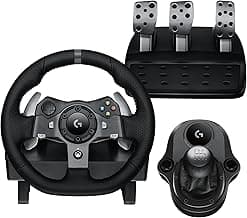
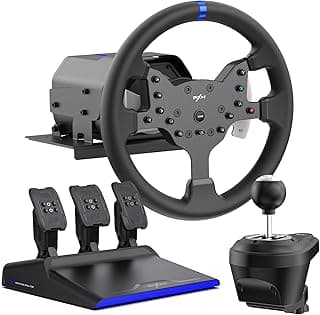
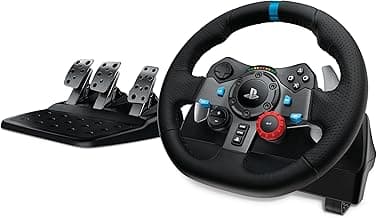
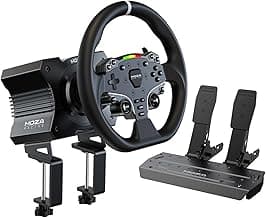
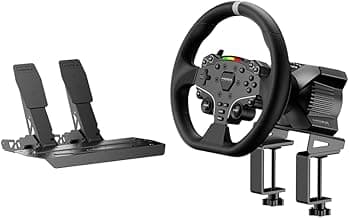
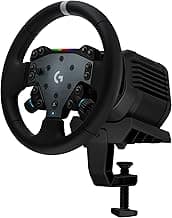
Buying Guide: Finding the Right Racing Wheel for Your Setup
Choosing among the best racing wheels can feel overwhelming with so many options promising immersive sim racing experiences. Many buyers worry about compatibility, setup complexity, or whether the investment matches their playtime. This guide breaks down the key factors to consider, helping you match a wheel to your gaming habits and space without common pitfalls.
Compatibility with Platforms and Games
Wheel performance hinges on seamless integration with your console or PC, as mismatches lead to frustrating lag or lost features. Start by checking if the wheel supports your primary platform—most modern wheels handle PC well, but console support varies.
- If you game on PlayStation or Xbox, prioritize wheels certified for those ecosystems to access full force feedback.
- For PC-focused sim racers, look for broad game compatibility with titles like iRacing or Assetto Corsa.
- Avoid generic USB wheels if you want native support; they often lack advanced calibration options.
Force Feedback Strength and Quality
Force feedback delivers realistic road feel, kerb vibrations, and car handling—crucial for intuitive driving in races. Weaker systems feel numb, while overly aggressive ones tire your arms quickly.
- Aim for at least 5-7 Nm of peak torque for entry-level immersion without overwhelming casual sessions.
- If you race long endurance events, opt for 10+ Nm for detailed feedback, but pair with adjustable settings.
- Test demos if possible; consistent, smooth feedback beats raw power in most cases.
Wheelbase Power and Direct Drive vs. Belt/Gear Systems
The wheelbase powers the feedback motor, with direct drive offering precision for serious simmers, while belt or gear systems suit beginners on a budget.
- Choose belt-driven bases for quiet operation and affordability if you're starting out or space-constrained.
- Go direct drive if precision matters—ideal for competitive play—but expect higher costs and potential heat buildup.
- Gear-driven options work for light use but can feel notchy; skip them for frequent track time.
Wheel Rim Size, Shape, and Materials
The rim affects grip and realism; too small feels toy-like, while oversized ones clash with desk setups.
- 11-13 inches fits most users for balanced control in GT or formula cars.
- Leather or Alcantara grips enhance feel during sweaty races; plastic wears fast.
- If you swap cars often, pick modular rims with quick-release for versatility.
Pedal Set Quality and Features
Pedals translate your inputs accurately—load cell brakes prevent fading, while basic pots slip under pressure.
- Include a load cell brake (50-100kg resistance) if braking precision defines your lap times.
- Metal constructions last longer than plastic; add throttle damping for smoother modulation.
- For casual play, three-pedal sets suffice; avoid two-pedal kits for realistic heel-toe shifting.
Build Quality, Durability, and Desk vs. Rig Mounting
A sturdy build withstands intense sessions, but flimsy clamps fail on desks, leading to wobbles mid-race.
- Metal chassis and secure clamps suit desk use; rigs provide stability for wheelbases over 10 Nm.
- Check clamp width compatibility—most desks need 2-3 inches clearance.
- Quiet operation matters in shared spaces; direct drives can hum, so ventilated bases help longevity.
Budget, Ecosystem Costs, and Long-Term Value
Racing wheels range from $200 entry kits to $1000+ pro setups—factor in pedals, shifters, and future upgrades.
- If under 5 hours weekly, a $300-500 bundle covers basics without overkill.
- For dedicated use, invest in expandable ecosystems to avoid repurchasing.
- Skip "deals" lacking warranties; 2+ years coverage protects against motor failures.
Weighing these factors against your setup and goals narrows options quickly. Focus on what enhances your driving enjoyment most, and you'll avoid buyer's remorse.
Frequently Asked Questions About Racing Wheels
What are the best racing wheels for beginners on a budget?
If you're new to sim racing and watching your spending, look for entry-level racing wheels under $300 that still offer solid force feedback and pedal responsiveness. These models balance cost with reliable performance for casual use, avoiding the frustration of cheap wheels that feel unresponsive. In most cases, they connect easily to PC or consoles without needing extra adapters.
How much do high-quality racing wheels typically cost?
Expect to pay between $250 and $800 for the best racing wheels that deliver immersive feedback and durability for serious gamers. Budget options around $200 work fine for beginners, but investing more gets you smoother rotation and sturdier builds that last years. Factor in pedals and any table clamp, as bundles often save money upfront.
Are racing wheels safe to use at home?
Yes, most racing wheels are designed with safety in mind, featuring secure clamps or mounts that prevent slipping during intense sessions. If you mount it properly to a sturdy desk or wheel stand, there's minimal risk of it moving unexpectedly. Always check weight limits and use non-slip surfaces to keep everything stable.
How easy is it to install a racing wheel?
Installation usually takes 10-20 minutes: clamp it to your desk, plug in the USB for power and connection, and download the software for calibration. If you're on PC, drivers auto-install in most cases, while consoles recognize them plug-and-play. Test the pedals and buttons right away to tweak sensitivity for your setup.
What should I consider when comparing different racing wheels?
Compare force feedback strength, wheel rotation degrees, and included accessories like pedals or shifters to match your racing style. Entry-level wheels suit casual play, while premium ones excel in direct drive power for realistic feel. Check compatibility with your platform and read user feedback on build quality to avoid common pitfalls like loose connections.
Conclusion
Choosing the best racing wheels comes down to force feedback quality, build durability, and compatibility with your setup. Key factors like pedal precision and wheel rotation ensure an immersive experience tailored to your racing style.
With these elements in mind, you're well-equipped to make a confident decision. Consider your priorities—whether realism or budget—and select the model that aligns best with your needs. Elevate your sim racing today with a wheel that delivers reliable performance.