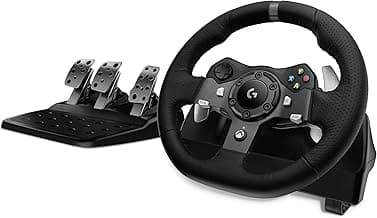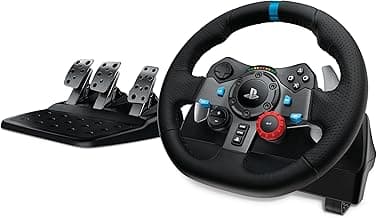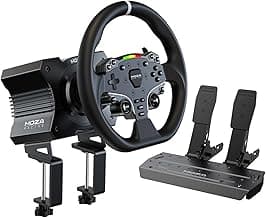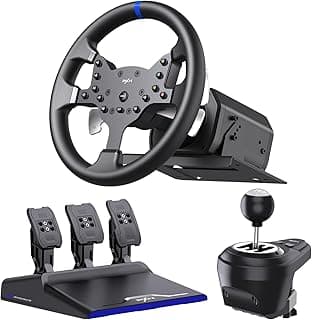

Buying Guide: Best Premium Racing Wheels
Choosing among premium racing wheels can feel overwhelming with all the options promising immersive sim racing. Many buyers worry about compatibility, setup complexity, or whether the investment pays off for casual sessions. This guide breaks down key factors to help you match a wheel to your setup and driving style.
Force Feedback Strength and Quality
Force feedback simulates road feel, tire grip, and car dynamics, making turns and drifts more realistic. In premium wheels, higher torque delivers sharper details without lag.
- If you race long sessions or prefer detailed feedback, aim for at least 8–12 Nm of peak torque.
- For casual use on a desk setup, 5–8 Nm often suffices without overwhelming your space.
- Avoid wheels with inconsistent feedback, as it can lead to fatigue or inaccurate inputs during competitive play.
Wheelbase Compatibility and Power Needs
Premium wheels pair with specific bases, pedals, and sometimes shifters. Mismatches cause frustration, so check ecosystem compatibility first.
- If you have a PC-focused rig, prioritize USB connectivity with broad game support.
- For console gamers, ensure direct plug-and-play for PlayStation or Xbox to skip adapters.
- Power draw matters—most need a dedicated supply, but verify your outlet setup to avoid voltage issues.
Wheel Rim Size, Shape, and Materials
The rim's diameter and grip affect control during high-speed maneuvers. Premium options use leather or alcantara for better handling in sweaty sessions.
- Opt for 11–15 inches if you want a realistic GT or formula feel; smaller rims suit entry-level drift setups.
- Quick-release systems help swap rims easily if you simulate different cars.
- Choose textured grips if you drive for hours—smooth finishes slip under pressure.
Build Quality and Durability
Premium wheels endure heavy use, with metal internals resisting wear from aggressive steering. Cheaper builds creak or fail prematurely.
- Look for sealed bearings and robust clamps for desk or cockpit mounting.
- In most cases, aviation-grade aluminum or carbon fiber components hold up better than plastic-heavy designs.
- Test for play in the wheel—zero slop ensures precise inputs over time.
Installation and Space Requirements
Setup varies from simple desk clamps to full cockpit integration. Many fear complex installs, but premium models often include clear guides.
- If space is tight, choose compact bases under 30 cm wide with adjustable clamps.
- For wheel stands, verify bolt patterns match common rigs—no drilling needed in most cases.
- Software calibration takes 10–15 minutes; update drivers post-install for optimal performance.
Price vs. Long-Term Value
Premium wheels range from $500–$1500+, balancing features against budget. Higher costs often mean better resale and upgradability.
- If you're starting sim racing, mid-tier premiums offer strong value without overkill.
- For serious enthusiasts, invest in expandable systems—add pedals later without replacing the base.
- Factor in warranties; 2–5 years coverage reduces risk on big purchases.
Noise Levels and Ecosystem Fit
Direct drive wheels can hum loudly, disturbing roommates or family. Premium tuning minimizes this while maintaining feedback.
- Check decibel ratings—under 50 dB works for apartments.
- Ensure pedal integration for brake feel; mismatched sets dilute immersion.
- If noise-sensitive, pair with vibration-dampening mounts.
Frequently Asked Questions About Premium Racing Wheels
What is the typical cost of the best premium racing wheels?
Premium racing wheels usually range from $500 to over $1,200, depending on features like force feedback strength and included pedals. If you're serious about sim racing, investing in the higher end pays off with better build quality and realism that cheaper options can't match. In most cases, look for bundles that include a quality pedal set to avoid extra costs later.
Are premium racing wheels safe for everyday use?
Yes, the best premium racing wheels are designed with safety in mind, featuring sturdy clamps and non-slip materials to stay secure during intense sessions. If you mount them properly on a stable rig, they handle high-torque feedback without wobbling or detaching. Always check weight limits for your desk or cockpit to prevent any tipping risks.
How easy is installation for high-end racing wheels?
Installation typically takes 15-30 minutes with basic tools, as most premium models use quick-release clamps or screw mounts that fit standard desks or rigs. You'll need to plug in USB and power cables, then calibrate via software—most setups guide you through it step-by-step. If you have a dedicated sim rig, it's even simpler, but test compatibility with your platform first.
How do premium racing wheels compare to mid-range options?
Premium racing wheels outperform mid-range ones in force feedback precision and durability, making every turn feel more lifelike and reducing wear over long sessions. While mid-range might save you $300 upfront, premiums last years longer without needing replacement parts. Choose premium if you race competitively; otherwise, mid-range suffices for casual play.
What makes premium racing wheels worth the investment for efficiency?
They deliver smoother, more responsive performance that cuts down on input lag and enhances immersion, letting you focus on racing rather than fighting the hardware. Over time, their robust construction means fewer interruptions from breakdowns, saving hassle and repair costs. If efficiency means maximum realism per dollar spent long-term, top-tier models excel here.
Conclusion
Choosing the best premium racing wheels comes down to force feedback quality, build durability, and compatibility with your setup. We've covered the essential factors that deliver immersive, responsive control for serious sim racing.
With these insights, you're equipped to make a confident decision tailored to your needs and budget. Take a moment to match features to your driving style, and elevate your racing experience today.