Buying Guide: Finding the Right Portable Carport for Your Needs
Many people shopping for portable carports feel overwhelmed by the range of options and worry about whether they'll hold up in wind or be a hassle to set up. This guide breaks down the key factors based on real-world use, helping you focus on what matters for your situation without the guesswork.
Size and Coverage Area
Size determines how many vehicles or items you can protect, but choosing too large a model can complicate setup and storage. Measure your parking space first, adding 1-2 feet on each side for anchoring.
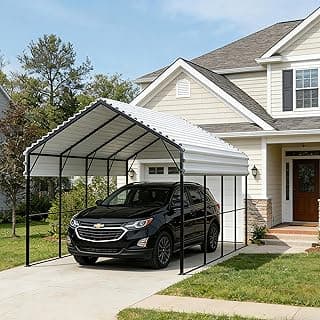
- If you need space for one car, aim for at least 10x20 feet.
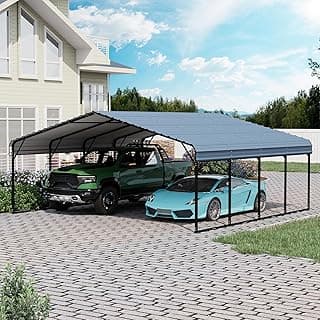
- For two vehicles or an RV, consider 12x20 feet or larger.
- Avoid oversized units if storage space is limited, as they take up more room when collapsed.
Frame Material and Strength
The frame supports the roof against weather, so prioritize rust-resistant materials that suit your climate. Steel frames offer good strength for windy areas, while aluminum is lighter for frequent moves.
- Opt for powder-coated steel if you face rain or snow regularly.
- Choose aluminum if portability and quick assembly are priorities.
- Check tube thickness—1.5-2 inches provides better stability without excess weight.
Roof Design and Cover Material
A durable roof keeps out sun, rain, and debris, extending vehicle life. Look for UV-resistant, waterproof fabrics that won't sag or tear easily.
- Polyethylene covers work well for occasional use and budgets.
- Polyester with PU coating holds up better in heavy rain or sun.
- If in high-wind areas, select peaked roofs over flat ones for better runoff and lift resistance.
Wind and Snow Load Ratings
Load ratings indicate how much weight and wind the structure handles safely, crucial for peace of mind in variable weather. Always verify ratings match your local conditions.
- For most regions, 30-40 mph wind resistance suffices.
- In snowy areas, seek at least 20-30 lbs per square foot snow load.
- Anchor properly to boost performance—guy lines and ground stakes make a big difference.
Portability and Ease of Setup
True portable carports assemble in under an hour without tools for most users, folding compactly for storage. Test against your needs if you relocate often.
- If you move seasonally, pick models under 200 pounds total weight.
- No-drill frames suit renters or temporary spots.
- Practice setup once to avoid frustration—clear instructions reduce common errors.
Installation and Anchoring Basics
Proper anchoring prevents tipping, but it's simpler than permanent structures. Most portable models use stakes or weights, taking 30-60 minutes.
- On grass or dirt, use auger-style stakes driven 2-3 feet deep.
- For concrete, weighted bags or base plates work without damage.
- Re-anchor after storms to maintain safety—no need for permanent foundations.
Cost vs. Long-Term Value
Priced from $200 to $1,000, balance upfront cost with durability to avoid frequent replacements. Higher investments often pay off in harsher conditions.
- For light use, $300-500 models deliver solid protection.
- Spend more if expecting years of service in tough weather.
- Factor in covers and anchors, as kits sometimes skimp on extras.
Frequently Asked Questions About Portable Carports
What are the average costs for the best portable carports?
Portable carports typically range from $200 for basic 10x10 models to $1,500 or more for larger, heavy-duty versions that handle wind and snow loads. If you're covering one vehicle, expect to spend around $400-$800 for a durable option with UV protection and reinforced framing. Factor in extras like sidewalls or anchoring kits, which can add $50-$200, but they boost longevity and make it a smarter long-term buy.
Are portable carports safe in bad weather?
Most high-quality portable carports withstand winds up to 50-60 mph when properly anchored with ground stakes or weights, but always check the model's specs for your area's conditions. In heavy snow regions, opt for sloped roofs and frames rated for at least 20-30 lbs per square foot to prevent collapse. Safety improves dramatically if you secure it correctly during installation—loose setups are the main risk.
How easy is it to set up a portable carport?
Assembly usually takes 30 minutes to 2 hours for one or two people, using no-tools-required connectors and pre-cut poles that snap together. If you're on uneven ground, level it first with basic tools to avoid stress on the frame. In most cases, you'll just unfold the canopy, attach the frame, and stake it down—far simpler than permanent structures.
How do portable carports compare to garages or permanent shelters?
Portable carports cost 70-90% less than building a garage and offer similar protection from sun, rain, and light hail without needing permits or foundations. They're ideal if you move frequently or want flexibility, though they lack the full enclosure and insulation of stick-built options. For temporary or budget needs, they outperform tarps by lasting 3-5 years with proper care.
What sizes work best for portable carports?
For a single car, a 10x20 or 12x20 foot model provides ample coverage with room for walking around; go 20x20 or larger for trucks, boats, or multiple vehicles. Efficiency peaks when the shelter fits your items snugly without overhang issues. Consider height too—aim for 7-8 feet clearance if you have taller vehicles.
Conclusion
When selecting the best portable carports, focus on durability, ease of assembly, and weather resistance to protect your vehicles effectively. These key factors ensure long-term value without unnecessary hassle.
You can feel confident in your choice by matching features to your specific needs, like size and portability. Take a moment to review the options and pick the model that fits your lifestyle best—your ideal shelter is just a decision away.