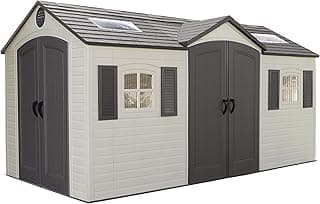
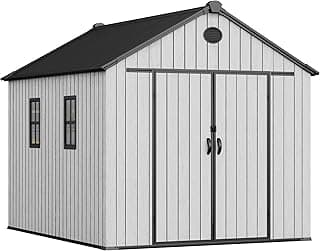
Buying Guide: Finding the Right Plastic Storage Shed
Many people shopping for plastic storage sheds feel overwhelmed by the variety of sizes and features, wondering if they'll get enough space without dealing with complicated setup or weather damage. This guide breaks down the key factors to consider, helping you match a shed to your actual needs like tool storage or garden gear organization.
Size and Capacity
Size directly affects how much you can store, but choosing too large a shed wastes yard space while too small one leads to clutter. Measure your available area and list what you'll store to gauge needs.
- If storing lawn mowers or bikes, aim for at least 8x10 feet for comfortable access.
- For smaller items like cushions or tools, a 4x6 feet model often suffices.
- Check door height—6 feet or more helps if you need to stand upright inside.
Generally, add 20% extra space for future items to avoid quick overcrowding.
Build Quality and Durability
Plastic sheds hold up well against rust compared to metal, but panel thickness and reinforcements determine longevity in wind or sun. Thicker walls resist cracking over time.
- Look for UV-protected resin that won't fade or brittle quickly in sunny areas.
- Reinforced flooring prevents sagging under heavy loads like power equipment.
- Avoid thin panels under 1.5mm thick if you live in high-wind zones.
For most users, double-walled construction offers a good balance of strength and lighter weight.
Weather Resistance
Plastic sheds generally seal out rain and snow better than fabric ones, but water tightness varies. Poor seals lead to interior dampness, damaging stored items.
- Choose models with sloped roofs and overlapping door panels for natural runoff.
- Check for included vents to reduce condensation buildup in humid climates.
- If in heavy rain areas, prioritize sheds with pre-drilled holes for anchor kits.
In most cases, sealed edges and proper anchoring keep contents dry year-round.
Installation and Assembly
Setup fears are common, but many plastic sheds snap together without advanced tools, taking 4-6 hours for two people. Skipping this step can lead to wobbly structures.
- Opt for models with clear instructions and pre-cut panels if you're a DIY novice.
- Level ground first—uneven bases cause door alignment issues.
- No foundation needed for most, but gravel or pavers help in wet soil.
If short on time, pick sheds with fewer parts for quicker assembly.
Ventilation and Accessibility
Good airflow prevents mold on stored items, especially in warm months, while wide doors speed up access. Stuffy sheds make retrieval frustrating.
- Seek at least two vents for cross-breeze in larger units.
- Double doors or ramps suit wheeled items like wheelbarrows.
- Lockable handles add security without sacrificing ease.
For garden tool storage, prioritize sheds with adjustable shelving options inside.
Cost and Long-Term Value
Prices range from $300-$1500, influenced by size and features. Cheaper models may need earlier replacements, raising total costs.
- Set a budget allowing for anchors or shelves as add-ons.
- Thicker, feature-rich sheds often justify higher upfront costs through 10+ years of use.
- Compare per-square-foot pricing for fair value.
If space is tight, a mid-range shed provides reliable performance without excess spending.
Frequently Asked Questions About Plastic Storage Sheds
What is the average cost of the best plastic storage sheds?
Plastic storage sheds typically range from $300 to $1,200, depending on size and features like reinforced flooring or windows. Smaller 4x6 foot models suit basic needs at the lower end, while larger 10x12 foot options with better weather resistance cost more. Factor in delivery fees, which can add $100–$200 if not included, to get the true value for long-term outdoor use.
Are plastic storage sheds safe for storing tools and equipment?
Yes, in most cases, they offer good safety with UV-protected panels that resist cracking and lockable doors for security. If you secure heavy power tools inside, add internal shelving or anchor the shed to prevent tipping in high winds. They're generally rodent-resistant due to smooth surfaces, but elevate items off the floor to avoid moisture damage.
How easy is installation for top-rated plastic storage sheds?
Assembly usually takes 4–6 hours for two people using basic tools like a drill and level, with snap-together panels that don't require advanced skills. Most models include clear instructions and pre-cut parts, but level ground is key to avoid door alignment issues. If your yard slopes, spend extra time on foundation prep with gravel or blocks for stability.
How durable and efficient are plastic sheds compared to metal or wood ones?
Plastic sheds excel in rust-proof efficiency and low maintenance, often outlasting wood in humid climates without needing paint or treatments. They're lighter than metal, making them easier to move if needed, but may dent under heavy impacts—metal wins for extreme strength. For everyday garden storage, their quick-drain floors and natural light transmission make them highly practical.
What sizes work best for different storage needs in plastic sheds?
Choose 6x8 foot plastic sheds for bikes and lawn mowers, or go up to 8x10 for ATVs and larger gear. Smaller 4x6 options fit patio cushions and tools in tight spaces, while ensuring at least 6 feet of interior height avoids cramped access. Measure your items first and add 20% extra space for easy organization with shelves.
Conclusion
When selecting the best plastic storage sheds, focus on size, durability, ventilation, and ease of assembly to match your needs. These sheds offer reliable protection from weather while requiring minimal maintenance, making them a practical choice for any outdoor space.
You can feel confident in your decision by prioritizing quality construction and user-friendly features. Take a moment to evaluate your specific requirements and pick the model that fits best—your organized space awaits.