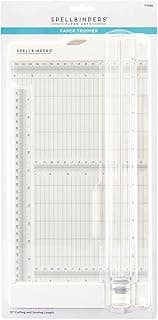
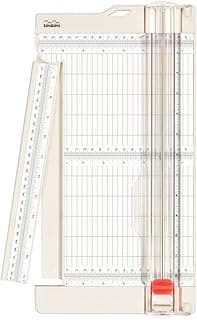
Buying Guide: Best Paper Trimmers Under $100
Choosing a paper trimmer often feels overwhelming when you're on a budget, especially if you're unsure whether a $100 limit means settling for flimsy cuts or safety risks. In reality, many solid options deliver clean results for home offices, crafting, or light classroom use without breaking the bank.
Cutting Length and Capacity
The cutting length determines how much paper you can trim in one pass, which matters most for efficiency during repetitive tasks like photo cropping or flyer production.
- If you mainly handle letter-sized (8.5 x 11 inches) sheets, a 12-inch blade works well for most users.
- Opt for 15 inches or more if working with larger formats like tabloids or posters to avoid multiple passes.
- Avoid models under 10 inches unless your projects are very small, as they limit versatility.
Cut Type: Straight, Scalloped, or Decorative
Different edge styles suit specific needs—straight for documents, wavy or scalloped for crafts—impacting both function and project outcomes.
- Choose straight blades for precise, professional edges on business cards or reports.
- If crafting invitations or scrapbooks, look for multi-blade options with decorative patterns.
- Most budget trimmers offer 2–4 cut styles; more than that often adds unnecessary bulk.
Guillotine vs. Rotary Mechanisms
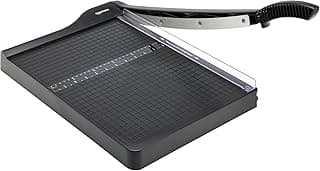
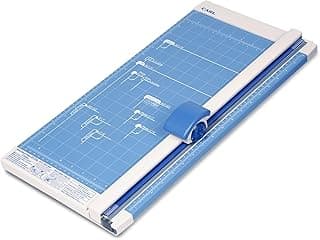
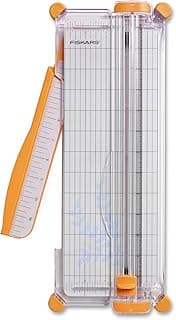
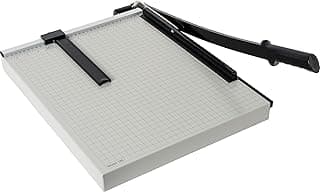
Guillotine trimmers use a swinging blade for power, while rotary models roll a wheel for smoother cuts, each shining in different scenarios.
- Go with guillotine if you trim stacks of 10–20 sheets at once, as they handle volume better.
- Select rotary for delicate materials like photos or vellum, where precision trumps thickness.
- Test alignment ease: rotary often self-corrects, reducing errors for beginners.
Build Quality and Durability
A sturdy frame and metal components prevent wobbling and ensure long-term reliability, especially under frequent use.
- Feel for solid metal bases and rails over plastic, which flex less during cuts.
- Check blade sharpness retention—replaceable ones extend life beyond 1,000 cuts.
- For occasional use, lighter plastic models suffice; daily tasks need reinforced edges.
Safety Features
Safety prevents accidents, a common worry with blade tools, but good designs make them user-friendly even in shared spaces.
- Prioritize blade guards and finger guards that lock during cuts.
- Look for transparent clamps to secure paper without pinching fingers.
- Models with auto-locking blades add peace of mind for households with kids.
Portability and Storage
Size affects desk space and mobility, crucial if you craft on the go or store in small areas.
- Compact units under 20 x 10 inches fit most shelves without dominating.
- Handle or fold-down designs simplify transport for classrooms or events.
- Weigh under 5 pounds for easy carrying, but avoid ultra-light if stability matters.
Paper Capacity and Thickness Handling
Stack height dictates productivity—thicker capacity speeds bulk jobs without jamming.
- 10–15 sheets suits home users; 20+ sheets for heavier office demands.
- Verify cardstock compatibility up to 100–200 lb for varied media.
- If you rarely exceed 5 sheets, prioritize precision over max capacity.
Frequently Asked Questions About Paper Trimmers Under $100
What are the best paper trimmers under $100 for home use?
The top paper trimmers in this price range offer clean cuts on standard paper, photos, and cardstock up to 12-15 inches wide. Look for models with sturdy metal bases and sharp blades that handle 10-20 sheets at once without jamming. They're ideal for crafting or office tasks if you prioritize portability over heavy-duty commercial features.
Are paper trimmers under $100 safe to use at home?
Yes, most affordable paper trimmers include safety features like blade locks, finger guards, and non-slip mats to prevent accidents. Always check for a secure latch that keeps the blade covered when not in use, and supervise kids closely. In most cases, these safeguards make them reliable for family use without needing extra modifications.
How do I set up a paper trimmer under $100?
Setup is straightforward—unbox it, attach any side rails or paper guides if included, and test the blade alignment on scrap paper. No tools are typically required, and it takes under 5 minutes on a flat desk surface. If the cutting line is off, loosen the adjustment screw and realign for precise results right away.
Can paper trimmers under $100 handle frequent use efficiently?
These trimmers excel for occasional to moderate tasks like trimming 50-100 sheets daily, but they may dull faster with constant heavy loads. Opt for ones with replaceable blades to maintain sharp cuts over time, and clean debris after each session to avoid buildup. They're efficient for home offices or hobbies, saving time compared to scissors.
How do affordable paper trimmers compare for different cutting needs?
Guillotine-style trimmers under $100 provide straight, quick cuts for bulk paper, while rotary versions offer smoother edges for photos or delicate materials. If you cut larger stacks, prioritize lever-action models; for precision, choose those with grid markings and angle guides. Most match pricier options for everyday needs but trade off on build durability for the lower cost.
Conclusion
When selecting the best paper trimmers under $100, focus on blade quality, cutting capacity, safety features, and ease of use. These factors ensure clean, precise cuts for everyday crafting or office needs without exceeding your budget.
With reliable options available, you can confidently pick a model that matches your specific requirements. Take a moment to review the key features highlighted, and choose the one that best fits your workflow today.