Buying Guide: Best Paper Trimmers for Thick Paper
Choosing a paper trimmer that handles thick paper like cardstock or heavy poster board can feel tricky, especially if you've struggled with dull blades or uneven cuts in the past. Many users worry about jamming or safety, but focusing on a few key factors helps you find a reliable option without overpaying.
Cutting Capacity
The ability to slice through thick stacks matters most for real-world projects like crafting or signage. Look for models rated for at least 50–100 sheets of standard paper equivalent, which often translates to 10–20 sheets of thick cardstock.
- If you trim small batches occasionally, a capacity of 20–50 sheets equivalent works fine.
- For frequent use with heavier materials, aim for higher ratings to avoid multiple passes and frustration.
Avoid trimmers underspecified for thick paper, as they lead to tearing rather than clean cuts.
Blade Type and Quality
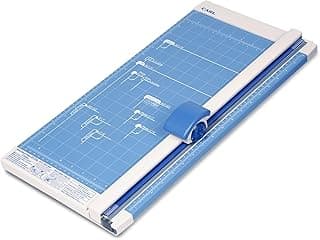
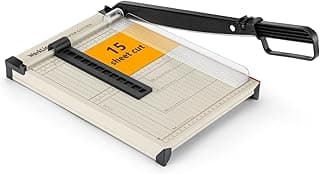
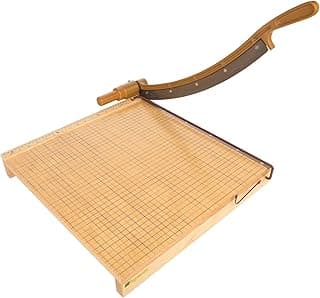
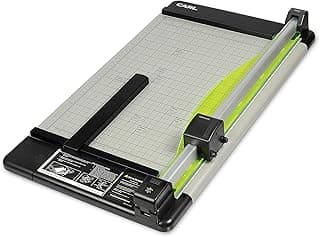
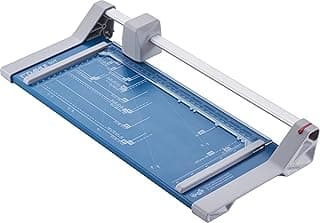
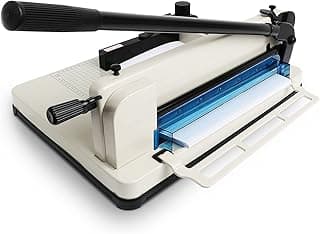
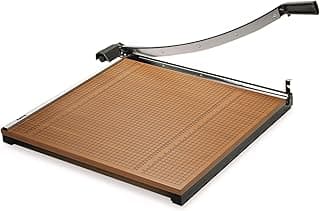
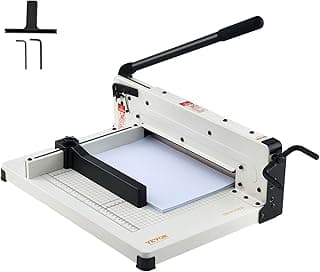
Sharp, durable blades are essential for clean edges on thick paper without fraying. Guillotine-style blades generally outperform rotary ones for heavier stocks due to their downward force.
- Opt for replaceable, hardened steel blades if you cut often.
- If precision on straight lines is key, then guillotine mechanisms provide better leverage for thick materials.
Test with your paper type in mind—rotary blades suit lighter tasks but may struggle with stacks over 1mm thick.
Paper Size Compatibility
Ensure the trimmer accommodates your common sheet sizes, typically up to 12x12 inches or A3 for thick paper projects. Undersized platforms force awkward repositioning.
- For scrapbooking or small prints, 12-inch width suffices.
- If handling larger posters, choose extended rails for full-sheet trimming without folding.
Measure your materials first to match the cutting length and prevent incomplete cuts.
Safety Features
Safety reduces worry during use, especially with powerful blades for thick paper. Transparent guards and blade locks prevent accidents without slowing you down.
- Prioritize models with hinged covers that expose the blade only during the cut.
- Look for non-slip clamps to secure thick stacks firmly.
These features make trimming feel secure for home or office setups, with no complex setup required.
Build Quality and Stability
A sturdy base prevents shifting on your desk when pressing down on thick paper stacks. Metal construction holds up better than plastic over time.
- If portability matters, select lightweight frames under 10 pounds with foldable designs.
- For heavy daily use, heavier models with rubber feet offer the stability needed for consistent results.
Check for reinforced rails to maintain alignment after repeated thick-paper cuts.
Ease of Use and Maintenance
Simple operation and cleaning keep the process efficient. Adjustable guides and clear measurements speed up setup for various thick paper types.
- Choose magnetic or self-healing mats if you want low-maintenance surfaces.
- Avoid complex disassembly—opt for models where blade swaps take under 2 minutes.
For most users, intuitive scales reduce measuring errors, making it practical for beginners.
Frequently Asked Questions About Paper Trimmers for Thick Paper
What should I look for in the best paper trimmers for thick paper?
Focus on models with heavy-duty blades made from high-carbon steel and sturdy metal bases that resist flexing under pressure. A cutting capacity of at least 20-30 sheets of 80-100 lb stock ensures clean cuts without tearing. If you work with cardstock or foam board regularly, prioritize guillotine-style trimmers with adjustable clamps to hold thick stacks securely during use.
How much do good paper trimmers for thick materials typically cost?
Expect to pay between $50 and $200 for reliable options that handle thick paper without jamming. Cheaper models under $30 often struggle with heavier stocks and dull quickly, leading to ragged edges. In most cases, spending around $100 gets you better build quality and longer-lasting performance for frequent use.
Are paper trimmers for heavy cardstock safe to use at home?
Yes, if they feature blade guards, finger-safe latches, and non-slip feet to prevent accidents. Always use the included safety lock when not cutting, and keep hands clear of the blade path. For households with kids, opt for models with transparent safety shields that let you see the cut line while protecting fingers.
Do I need any special setup for using trimmers on thick stacks?
Most are ready to use right out of the box with no assembly required beyond attaching a handle if included. Place it on a flat, stable surface away from edges to avoid tipping during heavy cuts. If your model has an adjustable paper guide, spend a minute calibrating it to your stock thickness for precise, straight edges every time.
How do rotary versus guillotine trimmers compare for cutting thick paper?
Guillotine trimmers excel at powering through dense stacks like 110 lb cardstock with one strong press, making them more efficient for bulk jobs. Rotary styles offer smoother, drag-free cuts ideal for smaller thick sheets but may require multiple passes on very heavy materials. Choose guillotine for speed and power if efficiency is key, or rotary for precision on delicate thick media.
Conclusion
Choosing the best paper trimmers for thick paper comes down to sharp blades, sturdy construction, and reliable cutting capacity that handles heavier stocks without jamming or tearing. Focus on models with adjustable guides and safety features for precise, effortless results every time.
You now have the insights to pick a trimmer that fits your needs, whether for crafting, office use, or professional projects. Take confidence in your decision—select the one that aligns best with your workflow and start creating clean cuts today.