Buying Guide: Finding the Right Off-Road Electric Scooter for Your Needs
Many riders shopping for off-road electric scooters feel overwhelmed by specs like motor power and tire size, especially when unsure if a model will handle rough trails without constant repairs or safety issues. This guide breaks down the key factors to focus on, helping you match a scooter to your typical terrain and riding style.
Motor Power and Torque
Motor power determines how well a scooter tackles hills, mud, and uneven surfaces in real-world off-road conditions. Look for at least 2000W peak power for moderate trails; if you ride steep inclines often, aim higher around 3000W or more.
- Lower power works for light dirt paths but struggles on demanding terrain.
- Higher torque (often paired with dual motors) provides better acceleration and climbing—ideal if your routes include rocky or sandy sections.
If your rides are mostly flat off-road paths, 1500W may suffice without overpaying for excess power.
Battery Range and Capacity
Off-road riding drains batteries faster due to resistance from dirt and elevation changes, so prioritize real-world range over advertised figures. A 48V 20Ah battery or larger typically delivers 25-40 miles on mixed terrain for most users.
- Check for removable batteries if you need quick swaps for longer adventures.
- Avoid underestimating: test estimates by halving manufacturer claims for rough conditions.
For shorter daily trails under 15 miles, a smaller battery keeps costs down without range anxiety.
Tire Size and Suspension
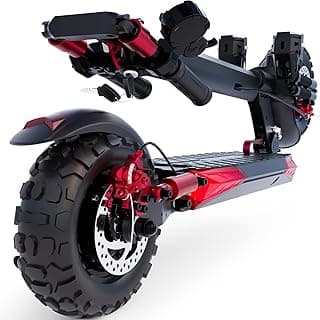
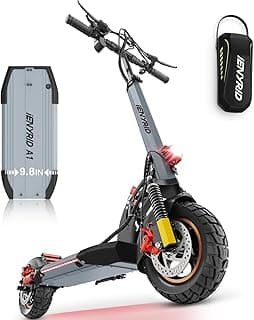
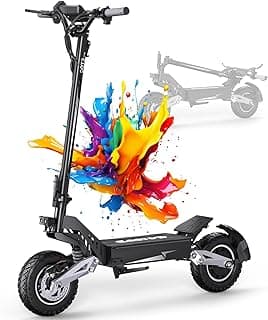
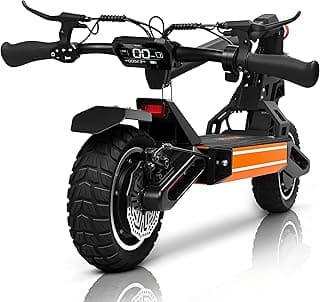
Larger tires and robust suspension absorb shocks from roots, rocks, and ruts, making rides smoother and safer. Opt for 10-inch or bigger pneumatic tires with deep tread for off-road grip; 11-inch suits aggressive trails.
- Full suspension (front and rear) reduces fatigue on bumpy paths—if budget allows.
- Disc brakes paired with suspension improve stopping power in wet or loose dirt.
If you mix on-road and off-road, adjustable suspension offers versatility without needing multiple scooters.
Build Quality and Waterproofing
Durable frames and IP-rated waterproofing prevent failures from water splashes, dust, and impacts common in off-road use. Aluminum or reinforced frames hold up better over time, especially for riders over 200 lbs.
- Look for IP54 or higher ratings to handle rain and puddles.
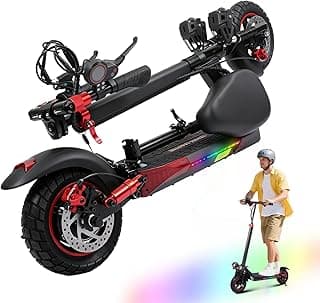
- Thicker tubing and foldable designs aid transport without compromising strength.
For casual weekend use, standard builds suffice; frequent rough exposure calls for heavier-duty construction to avoid early breakdowns.
Weight Capacity and Portability
Ensure the scooter's weight limit matches your size plus gear—typically 250-330 lbs for off-road models. Heavier scooters (around 50-70 lbs) offer stability but check if you can lift it into a vehicle.
- Lighter frames under 50 lbs suit solo riders prioritizing portability.
- Test foldability for storage in cars or apartments.
If you haul tools or ride two-up occasionally, exceed the minimum capacity by 50 lbs for safety margin.
Safety Features and Controls
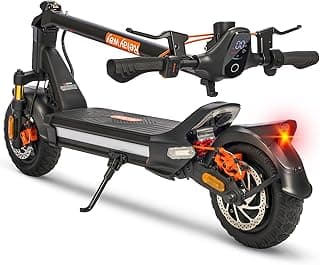
Off-road demands reliable lights, intuitive displays, and stability aids to avoid accidents in low visibility or at speed. Dual headlights and brake lights enhance night trail safety, while app integration allows speed limits and tracking.
- Choose models with self-healing tires to minimize flats.
- Responsive throttles prevent unintended acceleration on slopes.
For group rides or dusk hours, prioritize bright LEDs; solo day riders can focus on basic stability features.
Price and Value Balance
Off-road scooters range from $800-$2500, with value tied to how well features match your terrain. Spending more on proven motors and batteries often means fewer replacements long-term.
- Under $1200 fits beginners on mild paths.
- Mid-range $1500-$2000 covers most versatile off-road needs.
If budget is tight, prioritize motor and tires over extras—replacements are costlier than upfront investment.
Frequently Asked Questions About Off-Road Electric Scooters
What is the typical cost of the best off-road electric scooters?
Off-road electric scooters generally range from $800 to $2,500, depending on motor power, battery capacity, and rugged features like fat tires and suspension. If you're tackling rough trails regularly, expect to pay more for models with higher torque and longer range to avoid frequent replacements. In most cases, spending around $1,500 gets you a reliable option that balances cost and performance without breaking the bank.
How do I ensure safety when riding off-road electric scooters?
Always wear a full-face helmet, knee and elbow pads, and sturdy boots, as off-road terrain increases crash risks from roots, rocks, and mud. Check tire pressure and brakes before each ride, and use lights or reflectors for low-visibility conditions. If you're new to this, start on milder paths to build confidence, and avoid wet or steep slopes until you're experienced.
Do off-road electric scooters require any special installation or assembly?
Most arrive partially assembled with basic tools included, so setup typically takes 30-60 minutes—mainly attaching handlebars, folding mechanisms, and wheels. No advanced skills are needed, but if your model has hydraulic brakes, follow the manual closely for proper bleeding to ensure responsiveness. Double-check all bolts are tight after your first few rides to handle off-road vibrations safely.
How efficient are off-road electric scooters for long trail rides?
Expect 15-30 miles per charge on mixed terrain, though efficiency drops on steep hills or deep sand due to higher power draw from fat tires and strong motors. Opt for at least a 48V battery if you plan extended adventures, and maintain it by charging to 80% for daily use to prolong lifespan. Real-world range improves with steady throttle control and lighter loads.
How do off-road electric scooters compare to regular commuter models?
Off-road versions excel with 10-15 inch pneumatic tires, dual suspension, and 500-2000W motors for conquering dirt paths and obstacles, unlike slim-tired commuters limited to pavement. They're heavier (40-70 lbs) and pricier but offer better stability and waterproofing (IP54+ ratings). If you split time between trails and streets, choose one with adjustable speed modes for versatility.
Conclusion
When selecting the best off road electric scooters, prioritize rugged tires, powerful motors, durable frames, and reliable batteries to tackle tough terrains with confidence. These key factors ensure a smooth, adventurous ride without unexpected breakdowns.
With the right balance of performance and build quality, you're well-equipped to make an informed choice. Take your time to match features to your needs, and hit the trails ready for excitement.