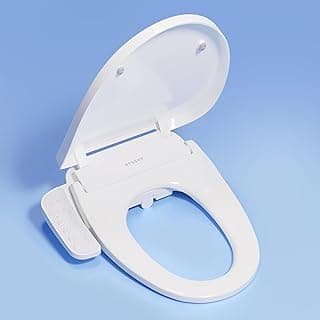
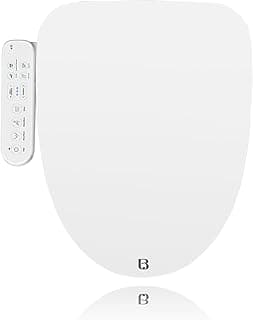
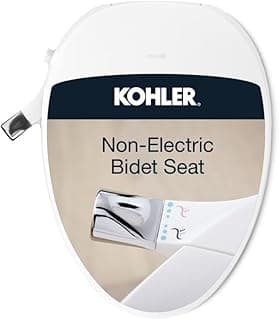
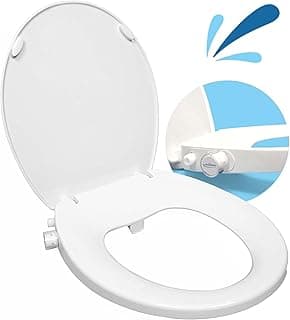
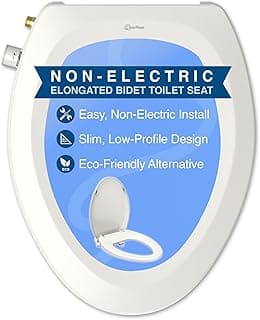
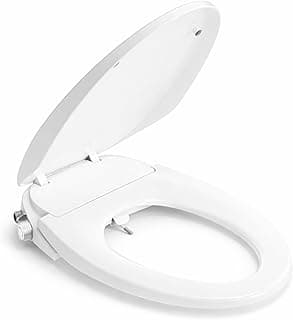
Buying Guide: Best Non Electric Bidet Seats
Many people hesitate when considering non electric bidet seats, worried about tricky installation or unreliable performance without power. In reality, these mechanical options offer simple, effective cleaning using your home's water pressure, and most setups take under an hour with basic tools.
Water Pressure Compatibility
Your home's water pressure directly affects how well a non electric bidet seat cleans. Most models work best with 20–80 PSI, the typical range in standard households.
- If your pressure is below 20 PSI, opt for seats with adjustable nozzles to maximize flow.
- For high-pressure homes over 80 PSI, choose models with built-in regulators to prevent overly strong sprays.
- Test your pressure with a $10 gauge from a hardware store before buying.
Installation Requirements
Non electric bidet seats attach directly to your existing toilet, usually replacing the seat with just a screwdriver and wrench. No plumbing changes or electrical wiring needed.
- They fit standard elongated or round toilets—measure your bowl length first (typically 18.5 inches for elongated).
- If you have a wall-mounted toilet, confirm compatibility or skip mechanical models.
- Expect 20–45 minutes for install; watch a quick video tutorial if you're new to DIY.
Common mistake: Assuming pro installation is required. For most users, it's straightforward and saves $100+ in fees.
Nozzle Design and Adjustability
A good nozzle provides targeted cleaning without splashing. Look for stainless steel construction to resist buildup.
- Choose dual or multi-angle nozzles if you want front and rear wash options.
- Self-cleaning mechanisms reduce maintenance—twist or flip designs are simple and effective.
- Avoid fixed-position nozzles if multiple users share the toilet, as adjustability improves comfort.
Build Quality and Durability
These seats endure daily use, but plastic parts wear faster than metal ones. Prioritize models with reinforced hinges and high-grade plastics.
- Check weight capacity—most handle 300–400 pounds, but heavier users should verify.
- UV-resistant materials prevent fading in sunny bathrooms.
- If hard water is an issue, select seats with mineral-resistant coatings to extend life.
Comfort and Seat Features
Beyond cleaning, the seat itself matters for everyday sitting. Soft-close lids and ergonomic shapes enhance usability.
- Pick cushioned seats for longer sits, like if you have mobility challenges.
- Quick-release buttons make cleaning easy—ideal for shared bathrooms.
- For warmer climates, breathable materials prevent discomfort.
Cost and Long-Term Value
Non electric models range from $50–$200, often cheaper than powered versions with similar performance.
No electricity means zero operating costs, and they last 5–10 years with basic care like nozzle wiping. If budget is tight, start with a basic model and upgrade later.
Factor in savings on toilet paper—many users cut usage by 75%, paying for the seat in months.
Frequently Asked Questions About the Best Non-Electric Bidet Seats
What are the main advantages of non-electric bidet seats over electric ones?
Non-electric bidet seats rely on your toilet's water pressure for cleaning, making them simpler and more reliable without needing plugs or batteries. They're ideal if you want consistent performance during power outages or in off-grid setups. Most users find the water flow strong enough for effective cleaning, especially in homes with good plumbing pressure.
How much do the best non-electric bidet seats typically cost?
You can expect to pay between $50 and $150 for a high-quality non-electric bidet seat, depending on features like adjustable nozzles or self-cleaning options. This is often half the price of electric models, saving money upfront without ongoing electricity costs. In most cases, the value holds up well since there are fewer parts to replace over time.
Are non-electric bidet seats safe and easy to install for beginners?
Installation usually takes 10-20 minutes with basic tools like a wrench, involving just connecting to your toilet's water line and securing the seat—no wiring required. Safety is high since there's no electrical risk, but always shut off the water supply first to avoid leaks. If your toilet has standard mounting holes, it fits without modifications in nearly all cases.
How effective is the cleaning power of non-electric bidet seats?
These seats provide solid cleaning efficiency through steady water streams controlled by twist knobs, often matching electric models if your home's water pressure is at least 20 PSI. Many users report thorough results with minimal water waste, and dual nozzles for front and rear washing add versatility. For best results, test your faucet pressure first to ensure it meets the minimum.
How do non-electric bidet seats compare to electric bidet seats for everyday use?
Non-electric options excel in simplicity and low maintenance, lacking features like heated seats or air dryers but delivering core bidet functions reliably. They're better for budget-conscious buyers or those prioritizing no-power designs, while electric seats suit users wanting luxury extras. Everyday satisfaction is high with non-electric if you value affordability and ease over advanced warming.
Conclusion
In choosing the best non electric bidet seats, focus on factors like ease of installation, spray adjustability, and durable construction that align with your bathroom setup and daily needs. These models deliver reliable cleansing without power dependency, offering a simple upgrade to hygiene and comfort.
You can feel confident in your decision by matching features to your priorities—rest assured, the right one will enhance your routine seamlessly. Take a moment to select the model that fits best and enjoy the benefits today.