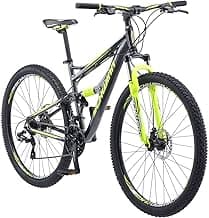
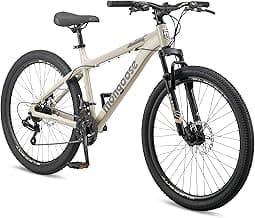
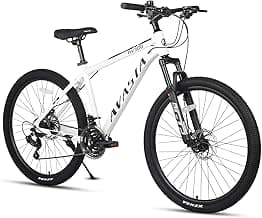
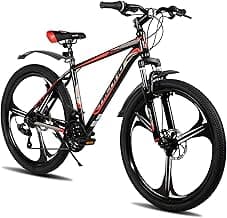
Buying Guide: Finding the Best Mountain Bike Durable Options
When shopping for a mountain bike that holds up over time, many riders worry about frames cracking on rough trails or components failing mid-ride. Durability isn't just about toughness—it's about matching the bike's build to your riding style and terrain to avoid costly replacements down the line.
Frame Material and Construction
The frame is the backbone of any durable mountain bike, bearing the brunt of jumps, rocks, and vibrations. Aluminum frames strike a balance for most trail riders, offering solid strength without excessive weight. Carbon fiber suits aggressive downhillers who prioritize lightness but can be pricier to repair.
- Choose 6061 aluminum or higher-grade alloys if you ride mixed terrain regularly—it's forgiving and rust-resistant.
- Opt for full-suspension frames with 150-160mm travel if you hit technical descents; hardtails work well for climbing-focused rides.
- Avoid thin-walled tubing on budget models, as it flexes and fatigues faster under repeated stress.
If your rides involve heavy loads or long tours, then prioritize reinforced welding and butted tubing for longevity.
Wheels and Tires for Rugged Terrain
Durable wheels keep you rolling through roots and rocks without constant truing or spoke breaks. Look for setups that match your local trails—wider rims paired with tubeless tires reduce pinch flats and improve grip.
- Select 29-inch wheels for better rollover on obstacles, ideal for most adult riders over rough singletrack.
- Go for double-wall rims with 28-32 spokes to handle impacts; 27.5-inch options suit shorter riders needing agility.
- Pair with 2.4-2.6 inch tires featuring reinforced casings like EXO or DoubleDown for puncture resistance.
For wet or muddy conditions, then choose tires with spaced knobs to shed debris and maintain traction without premature wear.
Drivetrain and Brakes Reliability
A smooth-shifting drivetrain and responsive brakes prevent breakdowns and boost confidence on steep drops. Durable components mean fewer adjustments and longer intervals between services.
- Target 1x12-speed setups for simplicity and wide gear range—clutch derailleurs reduce chain slap on bumpy trails.
- Choose hydraulic disc brakes with 180-203mm rotors for consistent stopping power in all weather.
- Steer clear of cable-actuated brakes if you ride in mud, as they clog easily compared to sealed hydraulic systems.
If you frequently carry speed through technical sections, then invest in oversized chainrings and reinforced cassettes for sustained performance.
Suspension Durability and Maintenance
Quality suspension absorbs trail chatter without blowing out after a season. For most users, air-sprung forks and shocks offer tunable performance and easier upkeep than coil options.
- Look for sealed cartridge forks with 34-36mm stanchions to resist twisting on berms.
- Ensure pivot bearings are greaseable and frames have replaceable hardware to extend service life.
- Avoid overly budget suspension, which leaks or loses damping quickly under hard use.
If you're new to maintenance, then select bikes with serviceable designs—regular cleaning and 50-100 hour intervals keep things reliable.
Geometry and Fit for Long-Term Use
Proper geometry ensures the bike feels stable and efficient, reducing rider fatigue and crash risks that lead to damage. A bike that fits well lasts longer because you're less likely to push it beyond its limits.
- Aim for modern geometry: 64-66 degree head angles for stability, 75-77 degree seats for climbing efficiency.
- Get a professional fitting to match reach and stack to your height—mismatched sizes cause uneven wear.
- Consider slackened long-travel bikes for enduro, or steeper setups for XC if speed is key.
In most cases, testing a size on similar terrain confirms durability through real-world handling.
Budget and Value Considerations
Durable mountain bikes range from $1,500-$5,000, where spending more buys better materials and warranties. Focus on value by prioritizing frame and wheels over flashy parts.
- Under $2,000, expect capable alloy hardtails for casual trails.
- $3,000+ unlocks full-suspension with upgradeable components.
- Factor in 2-5 year warranties covering manufacturing defects.
If budget is tight, then start with a used higher-end model from a reputable seller, but inspect for crash damage to ensure lasting durability.
Frequently Asked Questions About the Best Durable Mountain Bikes
What makes a mountain bike truly durable for rough trails?
Durable mountain bikes feature robust aluminum or steel frames that resist cracks from impacts, paired with reinforced wheels and drivetrains built for high-torque abuse. In real-world use, these hold up best on rocky descents and jumps if you avoid extreme abuse like racing without maintenance. Look for sealed bearings and thick tire sidewalls to extend lifespan in muddy or wet conditions.
How much should I expect to pay for a durable mountain bike?
A solid durable mountain bike typically costs between $800 and $2,500, depending on frame material and component quality—entry-level options around $1,000 offer great value for casual riders. Higher prices bring lighter weight and smoother shifting that pays off on long rides, but if you're on a budget, prioritize frame strength over fancy suspension. Most users find mid-range models last 5+ years with regular care, making them cost-effective long-term.
Are durable mountain bikes safe for beginners on technical terrain?
Yes, the best durable mountain bikes enhance safety with stable geometry that prevents washouts on loose gravel and strong brakes for quick stops. If you're new to trails, choose wider tires for better grip and adjustable suspension to match your skill level, reducing crash risks. Always wear a helmet and start on easier paths to build confidence safely.
How do I install upgrades on a durable mountain bike?
Most upgrades like new tires or grips on a durable mountain bike require basic tools like Allen keys and a torque wrench, taking 15-30 minutes per swap. For brakes or shifters, follow the frame's compatibility specs to avoid fit issues—loosen bolts, slide off old parts, and snugly reinstall. If you're unsure, a quick bike shop tune-up ensures everything aligns perfectly for peak performance.
What are the key differences between budget and premium durable mountain bikes?
Budget durable mountain bikes excel in basic trail durability with heavier frames but reliable shifting, ideal if you ride locally a few times weekly. Premium versions offer lighter materials for uphill efficiency and smoother suspension that absorbs bigger hits without fatiguing you. In comparisons, premium models handle aggressive riding longer, but budget ones suffice for most hobbyists saving hundreds upfront.
Conclusion
When choosing the best mountain bike durable option, focus on robust frames, high-quality components, and proven suspension systems that handle rough trails over time. These elements ensure your bike withstands demanding rides while delivering reliable performance.
With the right priorities in mind, you're equipped to make a confident decision. Consider models that align with your riding style and terrain needs, and hit the trails with peace of mind knowing your investment will last.