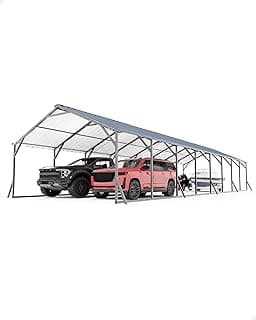
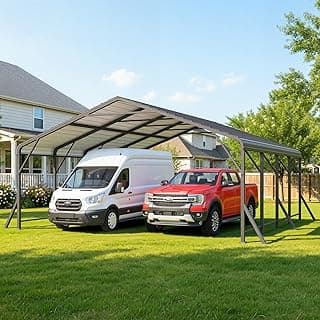
Buying Guide: Finding the Right Metal Carport for Your Needs
Many people shopping for metal carports feel overwhelmed by options on size, durability, and setup costs, especially if they're protecting vehicles from harsh weather for the first time. This guide breaks down the key factors to consider, helping you match a structure to your specific situation without overpaying or settling for less protection than you need.
Size and Coverage Area
Size determines how many vehicles or items you can shelter effectively. A mismatch here often leads to cramped parking or exposed edges during storms. Measure your longest vehicle plus 2–3 feet on each side for clearance.
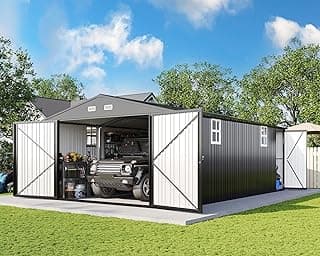
- If you have one car or a small boat, a 12x20-foot carport usually suffices.
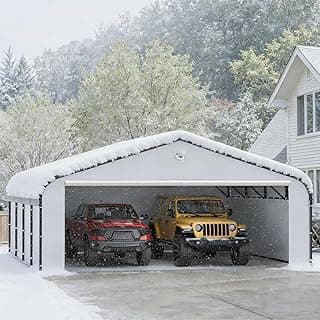
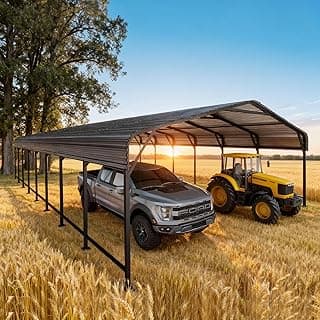
- For two vehicles or an RV, opt for at least 20x30 feet.
- Avoid undersized units; they limit usability and may require costly expansions later.
Frame and Roof Materials
The frame and roof materials affect how well the carport withstands wind, snow, and rust over time. In coastal or snowy areas, prioritize corrosion-resistant options to avoid premature replacement.
- Galvanized or powder-coated steel frames offer good rust protection for most climates.
- Aluminum roofs reflect heat and resist corrosion better in humid regions.
- Steer clear of thin-gauge steel (14-gauge or higher); it bends under moderate loads.
If your area sees high winds, then choose tubing with 2x3-inch dimensions or thicker for added stability.
Wind and Snow Load Ratings
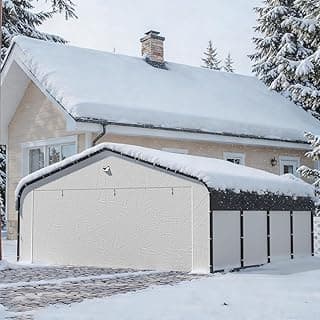
Load ratings indicate how much weight and force the structure can handle, which is crucial for safety in variable weather. Check local building codes to ensure compliance and prevent collapse risks.
- Look for ratings of at least 20–30 PSF for snow in moderate climates.
- In hurricane-prone zones, aim for 130–150 MPH wind resistance.
- Test ratings through certifications if available; unrated carports pose higher risks in storms.
Installation Options
Installation impacts both upfront costs and long-term stability. Many assume professional setup is always needed, but DIY works for some, saving 20–30% on labor.
- If you're handy and have level ground, anchor kits for DIY are straightforward with basic tools.
- For uneven terrain or large spans, professional installation ensures proper footing and reduces liability.
- Always use concrete footings or ground anchors; surface-only setups shift in wind.
Factor in permit requirements—most areas need them for permanent structures over 200 square feet.
Cost Considerations
Prices typically range from $1,000–$5,000, depending on size and features, but focusing only on the lowest price often means skimping on durability. Calculate total ownership cost over 10–15 years.
- Basic single-car models start around $1,500 delivered.
- Expect $3,000+ for reinforced, larger units with warranties.
- Compare per-square-foot pricing; if under $10/sq ft, scrutinize materials closely.
If budget is tight, then prioritize load ratings over extras like enclosed sides.
Warranties and Longevity
A solid warranty signals manufacturer confidence and protects against defects. For metal carports, aim for coverage that matches your expected lifespan of 15–25 years with maintenance.
- Seek at least 10-year frame warranties and 5-year roof coverage.
- Annual inspections for rust or loose bolts extend life—neglect shortens it by half.
- Choose fade-resistant finishes if UV exposure is high to maintain appearance.
Frequently Asked Questions About Metal Carports
How much do the best metal carports cost on average?
Costs for high-quality metal carports typically range from $1,500 to $5,000, depending on size, roof style, and custom features like enclosed sides. If you're covering two vehicles, expect to pay around $2,500 to $4,000 for a durable 20x20 model. Factor in delivery and setup fees, which can add 10-20% but often save you money compared to building from scratch.
Are metal carports safe in high winds and heavy snow?
The best metal carports use 14-gauge steel framing and are engineered to withstand winds up to 140 mph and snow loads of 35 psf or more in most regions. Safety improves if you anchor them properly into concrete footings, reducing sway during storms. Always check local building codes to ensure your setup matches your area's weather risks.
How long does it take to install a metal carport kit?
Most DIY-friendly metal carport kits can be assembled by 2-4 people in 4-8 hours for a standard single-car size. Professional installation usually takes 1-2 days and costs $500-$1,500 extra, which is worth it if you're not handy with tools. Prep your site level first to avoid headaches during assembly.
What are the advantages of metal carports over wooden or fabric ones?
Metal carports outlast wood by 3-5 times without rotting or termite issues, and they handle heavy snow better than fabric covers that sag or tear. They're low-maintenance, requiring just occasional rinsing, unlike wood that needs painting every few years. For long-term value, steel provides better protection for your vehicles against hail and falling branches.
Do metal carports increase property value or qualify for insurance discounts?
Well-installed metal carports can boost curb appeal and add functional space, potentially increasing home resale value by 1-2% in suburban areas. Some insurers offer 5-15% discounts on comprehensive coverage since they protect vehicles from weather damage. Check with your provider, as savings depend on your location and policy details.
Conclusion
When selecting the best metal carports, focus on durable steel construction, customizable sizes, and protection from the elements. These features ensure long-term value and peace of mind for your vehicles and property.
With the right choice, you'll enjoy reliable shelter that stands up to weather and time. Take a moment to match your needs with the ideal model—your decision today secures lasting benefits tomorrow.