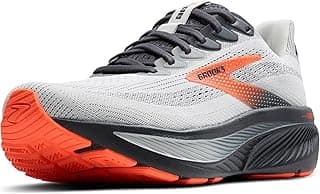
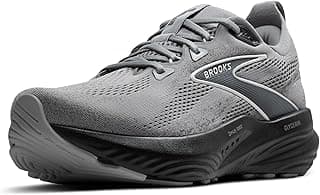
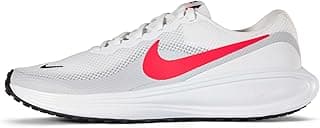
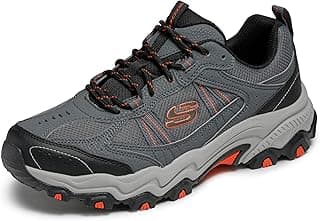
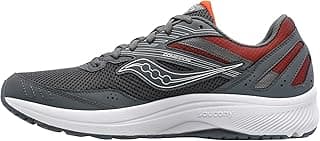
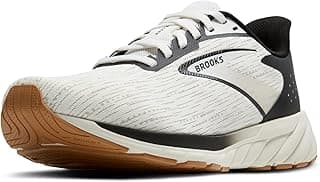
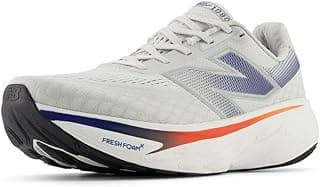
Buying Guide: Best Men's Wide Running Shoes
Finding men's wide running shoes that fit comfortably without causing blisters or hotspots can be tricky, especially if you've dealt with narrow options in the past. Many runners overlook how toe box width and overall sizing impact daily runs, leading to discomfort or injury. This guide breaks down the key factors to consider for a practical, reliable choice.
Width and Fit
Width is the starting point for men's wide running shoes, as it determines if your foot has room to swell during longer runs. A proper wide fit prevents pressure on the sides of your feet and reduces the risk of black toenails.
- Look for shoes labeled with a 2E or 4E width designation for most wide feet.
- If you have a high-volume foot, prioritize a spacious toe box over just the width rating.
- Try them on in the afternoon when feet are naturally larger, and wear the socks you run in.
In most cases, if your current shoes feel snug across the midfoot, opt for a wide model to avoid ongoing discomfort.
Cushioning and Support
Cushioning absorbs impact on pavement or trails, while support guides your foot's natural motion. For wide feet, balanced cushioning prevents instability without squeezing the sides.
- Choose responsive foam midsoles for faster runs or plush ones for recovery days.
- If you overpronate, seek shoes with medial support that doesn't narrow the fit.
- Avoid overly firm cushioning if you run high mileage, as it can lead to fatigue.
Generally, if you're logging 20+ miles weekly, prioritize cushioning that matches your gait for sustained comfort.
Weight and Responsiveness
Lighter shoes feel quicker on your feet, but wide versions often weigh more due to extra material. Balance this with how it affects your pace and energy.
- Aim for under 10 ounces per shoe for tempo runs, but up to 12 ounces is fine for daily trainers.
- Test for bounce-back; flat-feeling soles drain energy over distance.
- For wide feet, skip ultra-minimalist designs that lack structure.
If speed workouts are your focus, then select lighter options; otherwise, durability trumps minimal weight.
Durability and Outsole Grip
The outsole handles wear from roads or paths, and a durable upper withstands flexing without tearing. Wide shoes need reinforced materials to maintain shape over time.
- Look for rubber coverage on at least 70% of the outsole for longevity.
- Thicker lugs suit trails, while smoother patterns work for roads.
- Check for abrasion-resistant overlays on the toe and heel.
For most users pounding pavement regularly, if the outsole wears thin after 300 miles, consider upgrading to a more rugged build.
Breathability and Upper Materials
A breathable upper keeps feet cool and dry, crucial for wide shoes prone to heat buildup. Engineered meshes outperform solid fabrics in moisture management.
- Seek vented tongues and mesh panels over the forefoot.
- Avoid heavy leather if you run in warm climates.
- Secure lacing systems prevent slippage without overtightening.
If you run in humid conditions, then prioritize airflow to minimize blisters.
Drop and Stack Height
Stack height is the cushion underfoot, and heel-to-toe drop affects calf strain. Wide shoes often pair well with moderate stacks for stability.
- 8-10mm drop suits most heel strikers transitioning to wide fits.
- 25-35mm stack offers protection without bulkiness.
- Lower drops work if you midfoot strike, but test for Achilles comfort.
In most cases, if you're new to wide shoes, stick to familiar drop heights to ease adaptation.
Price and Value
Expect to spend $100-$160 for quality wide running shoes that last. Cheaper options may compromise on cushioning or width accuracy.
- Weigh longevity against cost; a $140 pair lasting 500 miles beats a $90 one at 300 miles.
- Watch for sales, but verify wide sizing availability.
- Return policies matter—prioritize retailers with easy exchanges.
If budget is tight, then focus on versatile daily trainers over specialized racers for better overall value.
Frequently Asked Questions About Men's Wide Running Shoes
What are the best men's wide running shoes for everyday training?
For everyday training, prioritize wide running shoes with ample toe box space and cushioned midsoles that accommodate natural foot swelling during long runs. In most cases, models with breathable uppers and stable outsoles perform best on roads and light trails, reducing hot spots and blisters. Look for ones rated for 300-500 miles of use to balance durability and comfort without breaking the bank.
How much do good wide toebox running shoes for men typically cost?
Quality wide running shoes for men usually range from $100 to $160, depending on cushioning level and materials. If you're on a budget, entry-level options around $100 offer solid support and longevity for casual runners, while premium pairs justify the extra cost with better energy return and wider fits for severe widths. Avoid ultra-cheap pairs under $80, as they often lack the stability needed for safety during extended runs.
Are wide fit running shoes safe for runners with flat feet or pronation issues?
Yes, the best wide running shoes enhance safety for flat feet or overpronators by providing extra lateral support and room to prevent rubbing or instability. They typically feature reinforced sidewalls and responsive cushioning that absorbs impact without narrowing the forefoot. Always pair them with proper socks and consider a gait analysis if you experience frequent ankle rolls, as fit trumps everything for injury prevention.
How do extra wide running shoes compare to regular width options?
Extra wide running shoes offer significantly more room in the midfoot and toe area compared to regular widths, making them ideal for preventing black toenails and bunion pressure during high-mileage weeks. While regular shoes might feel snug initially, wide versions maintain comfort over time without sacrificing propulsion or ground feel. The key difference is in longevity—wide fits reduce wear from foot expansion, often outlasting standard pairs by 20-30%.
What should I consider when choosing wide running shoes for long-distance efficiency?
For long-distance efficiency, select wide men's running shoes with lightweight foams and rocker geometries that promote forward momentum without squeezing your feet. They should have grippy outsoles for varied terrain and moisture-wicking linings to stay comfortable in humid conditions. Test the drop height—around 8-10mm works for most—to ensure smooth heel-to-toe transitions that save energy on marathon training runs.
Conclusion
Choosing the best men's wide running shoes comes down to prioritizing ample toe box space, responsive cushioning, and durable outsoles that match your gait and terrain. Wide feet deserve options that prevent blisters, enhance stability, and support longer runs without compromise.
With these key factors in mind, you're equipped to make a smart, comfortable choice. Take a moment to match your needs to the top features highlighted, and step into pain-free miles ahead.