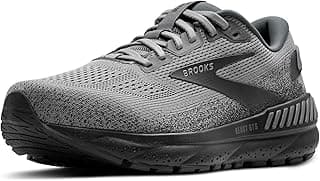
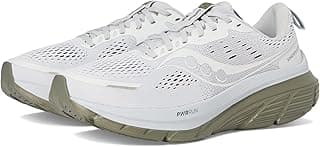
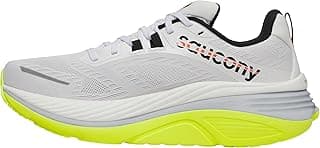
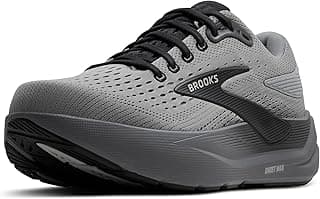
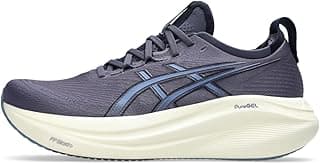
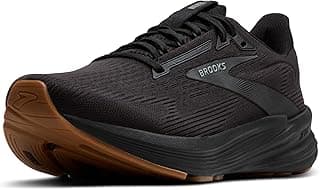
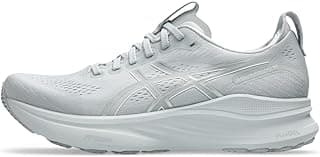
Buying Guide: Best Men's Stability Running Shoes
Many runners with overpronation or flat feet struggle to find stability shoes that actually support their stride without feeling bulky or causing new discomfort. If you're searching for the best men's stability running shoes, focusing on a few key factors can help you pick a pair that fits your routine and reduces injury risk over time.
Stability Features
Stability matters because it helps control excessive inward foot roll during runs, which can lead to strain on knees and ankles in real-world conditions like uneven trails or long distances.
- Look for medial posts or guide rails that provide subtle support without restricting natural motion.
- If you have moderate overpronation, choose shoes with firmer midsoles; for milder cases, firmer heels often suffice.
- Avoid overly rigid designs if you run on varied terrain, as they can feel unstable on turns.
Cushioning and Stack Height
Cushioning absorbs impact during daily training runs, protecting joints while maintaining ground feel for responsive strides.
- Opt for 25-35mm heel stack heights for most road runners seeking balance between protection and agility.
- If you prioritize plush comfort for longer runs, go for higher cushioning; shorter, faster sessions work well with moderate levels.
- Test for a balance—too soft can compress quickly, leading to fatigue.
Fit and Sizing
A proper fit prevents blisters and hotspots, especially as feet swell during runs, ensuring shoes perform reliably mile after mile.
- Choose a half-size up from your everyday shoes, with 1/2 inch space at the toe for swelling.
- If you have wide feet, select wide options to avoid pressure points; narrow fits suit slimmer feet better.
- Always try on with running socks and walk the store to check heel lockdown.
Weight and Responsiveness
Lighter shoes reduce leg fatigue on extended runs, while still offering the support needed for stability without slowing you down.
- Aim for 9-11 ounces per shoe for most men balancing daily training and speed work.
- If tempo runs are your focus, prioritize responsive foams; endurance runners may prefer slightly heavier, durable builds.
- Heavier shoes often mean more cushioning, so weigh your priorities based on weekly mileage.
Durability and Outsole
Shoes that hold up to regular use save money long-term, with outsoles gripping wet or dry surfaces to maintain confidence.
- Seek rubber coverage of at least 50% on the outsole for longevity up to 400 miles.
- For road-heavy runners, exposed midsoles add traction; trail users need deeper lugs if mixing surfaces.
- Check upper materials for breathability and abrasion resistance in high-wear areas.
Drop and Leg Biomechanics
Heel-to-toe drop influences stride efficiency, helping align your gait if you heel strike or midfoot land.
- 8-12mm drops suit most stability needs for heel strikers; 4-8mm for midfoot if transitioning.
- If you have Achilles issues, lower drops can ease tension but require gradual adaptation.
- Match drop to your form—higher for beginners building mileage safely.
Considering these factors based on your running style and foot type sets you up for shoes that support consistently. Pair this with in-store testing or a short trial run to confirm the fit before committing.
Best Men's Stability Running Shoes FAQ
What are the best men's stability running shoes for overpronators?
If you overpronate during runs, look for stability running shoes with firm medial posts or guide rails that gently correct your foot's inward roll without feeling restrictive. These features provide reliable support for longer distances, reducing strain on your knees and ankles in most cases. Prioritize a snug heel fit and cushioned midsole for comfort during high-mileage training.
How much do good men's stability running shoes cost?
Quality stability running shoes for men typically range from $120 to $160, offering a balance of durability and performance that lasts 300-500 miles. If you're on a budget, options around $100 still deliver solid support, though they may wear faster on rough terrain. Consider your weekly mileage—higher costs often mean better longevity and injury prevention.
Are stability running shoes safe for daily training and injury prevention?
Yes, men's stability running shoes enhance safety by controlling excessive motion, which helps prevent common issues like shin splints or IT band pain for runners with flat feet or mild instability. In most cases, they reduce injury risk during road or trail runs, but pair them with proper form and gradual mileage increases. Always break them in on shorter runs to ensure they suit your gait.
How do stability running shoes compare to neutral ones for men?
Stability shoes offer extra medial support for overpronators, unlike neutral models that suit runners with balanced strides and can lead to fatigue or injury if mismatched. If you need guidance without bulk, stability options feel more secure on uneven surfaces compared to neutrals. Test both in-store if possible to match your specific foot mechanics.
What should I look for when choosing the best stability running shoes for men?
Focus on a stability platform with responsive cushioning, a wide base for balance, and breathable uppers to keep feet cool on long runs. Check for a 10-12mm heel drop if you're transitioning from walking shoes, as it eases Achilles stress. Durability in the outsole matters most for frequent runners, ensuring grip on wet pavement or trails.
Conclusion
Choosing the best men's stability running shoes comes down to factors like cushioning, arch support, durability, and fit that match your gait and mileage. Prioritize models with medial posts or guide rails to effectively manage overpronation without sacrificing comfort on long runs.
With the right pair, you can run confidently, reduce injury risk, and enjoy better performance. Take time to assess your needs, try on a few options, and select the one that feels right for you—your feet will thank you.