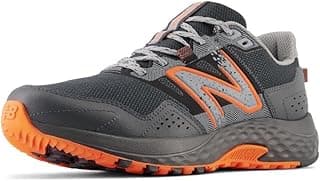
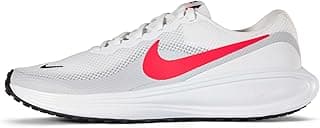
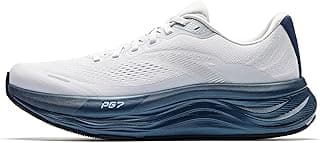
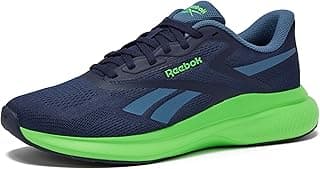
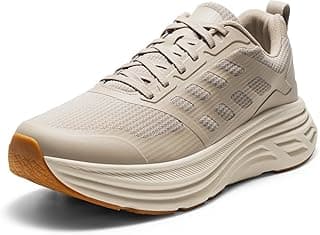
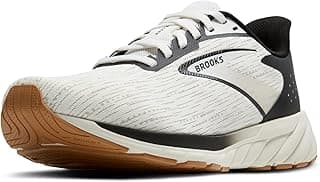
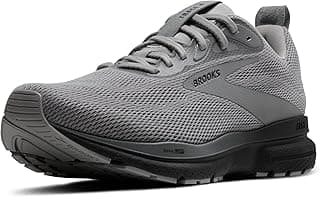
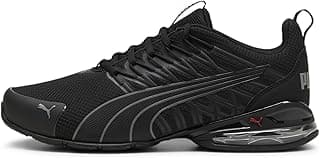
Buying Guide: Best Men's Running Shoes Under $100
Many guys hunting for affordable running shoes worry they'll sacrifice support or durability to stay under budget. The good news is you can find solid options in the $100 range that handle daily runs without breaking down quickly, as long as you focus on key fit and performance factors.
Shoe Fit and Sizing
Proper fit prevents blisters and discomfort during longer runs. Shoes that are too tight squeeze your toes, while loose ones cause instability.
- Measure your foot in the evening when it swells slightly—add about a thumb's width from your longest toe to the end.
- If you have wide feet, opt for wide sizes to avoid pressure points.
- Try on with running socks; if ordering online, check return policies for fit issues.
Cushioning and Impact Protection
Cushioning absorbs shock on pavement or trails, reducing strain on knees and joints. Too little leads to fatigue; too much can feel unstable.
- For road running, choose moderate cushioning around 25-30mm heel stack height.
- Trail runners benefit from firmer midsoles for better ground feel.
- If you're over 180 pounds, prioritize thicker cushioning to handle higher impact.
Drop and Running Style
Heel-to-toe drop affects your stride. A higher drop suits heel strikers; lower for midfoot or forefoot.
If you heel strike (most beginners do), go for 8-12mm drop for smoother transitions. Forefoot runners often prefer 0-4mm to encourage natural form. Test your gait by running in-store if possible.
Outsole Grip and Durability
The outsole grips surfaces and wears over miles. Rubber compounds degrade faster on rough terrain.
- Look for thick rubber coverage on high-wear areas like the heel and forefoot.
- For wet roads, carbon rubber provides better traction.
- Expect 300-500 miles from budget outsoles—rotate pairs if you run often.
Upper Breathability and Support
A breathable upper keeps feet cool and dry, while support stabilizes your stride. Mesh wicks sweat but can tear if flimsy.
Choose engineered mesh for airflow without sacrificing structure. If you pronate (foot rolls inward), seek shoes with subtle arch support. Avoid stiff uppers that rub during flex.
Weight and Responsiveness
Lighter shoes feel faster for speedwork, but heavier ones offer more stability for easy miles.
- Aim for under 10 ounces per shoe for most users to reduce fatigue.
- If stability is key, a slightly heavier build often provides better control.
- Test bounce: responsive foams return energy without mushiness.
Budget and Value Balance
Under $100, prioritize versatile daily trainers over specialized racers, which wear quicker.
If you run 20+ miles weekly, invest in durable builds. Casual runners can save on lighter options. Read user feedback on real-world mileage to gauge longevity.
FAQ: Best Men's Running Shoes Under $100
Are there reliable men's running shoes under $100 that offer good value?
Yes, you can find solid men's running shoes under $100 that balance cushioning, support, and durability for everyday runs. These budget options often use lightweight foams and breathable meshes, making them suitable for 20-30 mile weeks without quick breakdowns. Prioritize pairs with at least 8mm drop and decent arch support if you're a heel striker to get the most mileage.
How do affordable running shoes compare to pricier models?
Shoes under $100 may lack some premium materials like advanced carbon plates, but they perform comparably for recreational runners logging under 30 miles weekly. In most cases, the main differences show up after 300-400 miles, where budget shoes might compress faster. If you're not chasing race times, these affordable picks deliver 80-90% of high-end performance at a fraction of the cost.
What safety features should I look for in budget men's running shoes?
Focus on grippy outsoles with 4-5mm lugs for wet or trail-like surfaces, plus reflective accents for low-light visibility. Good heel counters prevent slippage during strides, reducing ankle roll risks on uneven paths. If you run early mornings or evenings, choose shoes with at least two reflective zones to stay safe.
Can cheap running shoes be efficient for long-distance training?
Budget men's running shoes under $100 can handle half-marathon training if they have responsive midsoles that return energy without feeling mushy. Look for shoes weighing 9-10 ounces to maintain pace without fatigue on tempo runs. They might not excel in ultra-distances, but for most users, efficiency holds up well through 200-300 miles.
How do I know if men's running shoes under $100 fit my foot type?
Check for wide toe boxes if you have broader feet, and try them with your usual running socks for a thumb's width of space at the toes. Medium-width options suit most men, but if you're flat-footed, seek moderate stability features to avoid overpronation. Sizing runs true in many cases, so order your street shoe size and return if needed.
Conclusion
Finding the best men's running shoes under $100 comes down to prioritizing cushioning, support, and durability that match your running style and foot type. We've highlighted options that deliver reliable performance without breaking the bank, ensuring you get value on every stride.
With the right fit and features, these shoes can enhance your runs and reduce injury risk. Take a moment to assess your needs, try on a pair, and step confidently into your next workout.