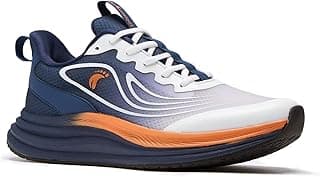
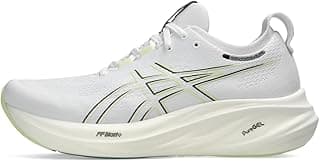
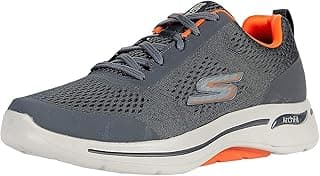
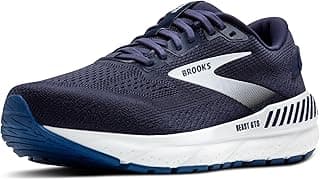
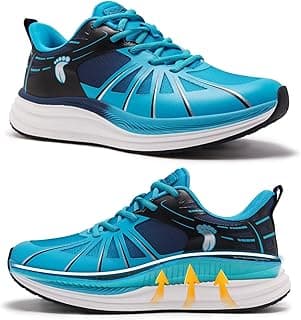
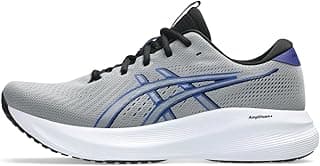
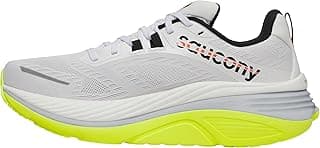
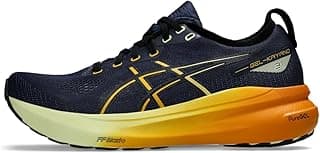
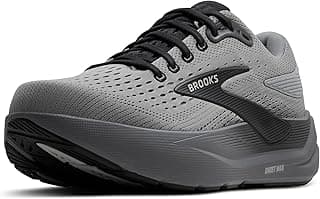
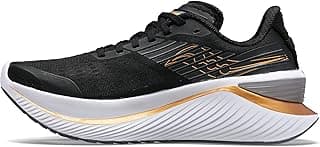
Buying Guide: Best Men's Running Shoes for Flat Feet
Many runners with flat feet struggle to find shoes that provide enough support without feeling bulky or restrictive. Low arches often lead to overpronation, causing discomfort or injury during runs. This guide breaks down the key factors to consider when selecting men's running shoes for flat feet, helping you focus on what works in real-world scenarios.
Arch Support and Stability
Flat feet typically need shoes with strong medial support to prevent excessive inward rolling, known as overpronation. In real use, this reduces strain on your ankles and knees over long distances.
- Look for shoes labeled with moderate to high arch support or stability features.
- If you run on roads frequently, prioritize firmer midsoles that guide your foot alignment.
- Avoid minimalist shoes, as they often lack the structure needed for flat feet.
Cushioning Level
Adequate cushioning absorbs impact, which is crucial for flat-footed runners who may experience higher ground forces. The right amount protects joints without sacrificing responsiveness.
- Opt for 8-12mm heel-to-toe drop for better shock absorption in most cases.
- If you're a heavier runner or log high mileage, choose thicker heel cushioning.
- Test for plush yet firm padding; overly soft options can compress too quickly.
Fit and Sizing
Shoes that are too narrow or short exacerbate flat foot issues by causing blisters or instability. Proper fit ensures your foot sits securely without sliding.
- Go for a wide toe box to allow natural splay, especially if you have broader feet.
- Size up by half a size from your everyday shoes to account for foot swelling on runs.
- If you have high-volume feet, select models with deeper uppers for comfort.
Midsole Technology
The midsole material affects how the shoe handles pronation and energy return. For flat feet, responsive foams provide stability without feeling rigid.
- Seek dual-density midsoles, with firmer material on the inner side.
- If trail running, choose durable foams that resist breakdown on uneven surfaces.
- Avoid shoes with uniform soft midsoles, as they offer little corrective guidance.
Durability and Outsole
Running shoes for flat feet endure extra stress from overpronation, so robust construction prevents premature wear. This keeps you supported run after run.
- Look for outsoles with thick rubber coverage in high-wear areas like the heel and forefoot.
- For daily training, prioritize uppers made from reinforced mesh.
- Expect 300-500 miles of life from quality stability shoes under normal use.
Weight and Flexibility
Lighter shoes improve efficiency for faster runs, but flat feet benefit from a balance—too flexible, and support suffers. Consider your pace and distance.
- If training for speed, aim for shoes under 10 ounces per shoe.
- For recovery or long runs, slightly heavier stability models provide better protection.
- Check for controlled flexibility in the forefoot to aid natural toe-off.
Testing in Real Conditions
Factory fit isn't always perfect—try shoes on a treadmill or short run if possible. Pay attention to how they feel after 10-15 minutes of movement.
If overpronation persists, pair with custom insoles. Rotate two pairs to extend shoe life and vary stress on your feet.
FAQ: Best Men's Running Shoes for Flat Feet
What should I look for in running shoes for men with flat feet?
Focus on shoes with strong arch support and stability features to prevent overpronation, which is common with flat feet. Cushioning in the midsole helps absorb impact during runs, reducing strain on your ankles and knees. In most cases, a wider base and firm heel counter provide the stability needed for safe, comfortable mileage.
How much do good running shoes for flat feet typically cost?
Expect to pay between $100 and $160 for quality men's running shoes designed for flat feet, depending on the cushioning and durability. If you're running frequently, investing in the higher end ensures better longevity and injury prevention, often lasting 300-500 miles. Cheaper options under $100 might lack the necessary support, leading to quicker wear and discomfort.
Are stability running shoes safe for flat feet during long runs?
Yes, stability models are generally safe and recommended for flat feet, as they guide your foot into a neutral position to minimize twisting risks. Look for ones with medial posts or guide rails that correct excessive inward rolling without feeling restrictive. Most runners with flat feet report fewer blisters and joint pain after switching to these, especially on uneven trails or pavement.
How do I know if running shoes fit well for my flat feet?
Try them on in the afternoon when your feet are slightly swollen, and ensure there's about a thumb's width of space at the toe. For flat feet, check that the shoe doesn't collapse under your arch when you press down—proper support should resist that. Walk and jog in-store if possible to confirm no slipping or hot spots, as fit directly impacts efficiency and safety.
What are the best running shoes for flat feet compared to neutral ones?
Stability shoes outperform neutral ones for flat feet by actively controlling motion, which reduces fatigue and injury risk on longer runs. Neutral shoes work better for high arches but can worsen overpronation issues in flat-footed runners, leading to shin splints. If you have mild flat feet, start with lightweight stability options for a balance of support and speed.
Conclusion
Choosing the best men's running shoes for flat feet comes down to prioritizing stability, ample cushioning, and a supportive arch structure. These elements help reduce overpronation, minimize discomfort, and enhance your running experience over long distances.
With the right fit and features in mind, you're well-equipped to make a confident decision. Consider your specific needs—like mileage and terrain—then select the model that aligns best. Lace up, hit the roads or trails, and run stronger with shoes designed for your feet.