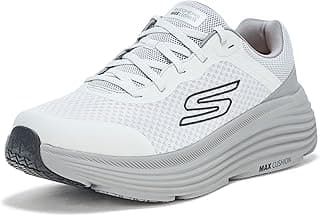
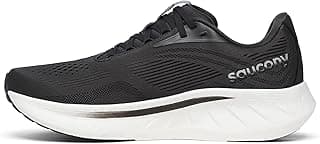
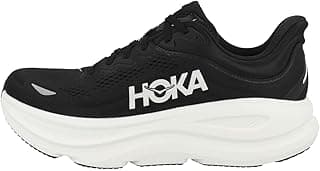
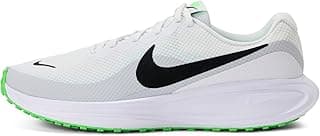
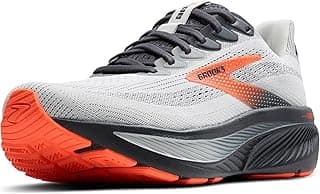
Buying Guide: Best Men's Cushioned Running Shoes
Choosing cushioned running shoes often feels overwhelming with so many options promising comfort and support. Many runners worry about picking a pair that feels great at first but leads to discomfort or injury over time. This guide breaks down the key factors to focus on, helping you match shoes to your routine and avoid common pitfalls.
Cushioning Type and Stack Height
Cushioning absorbs impact during runs, reducing stress on joints, especially for longer distances or heavier runners. Stack height, the thickness of the midsole, typically ranges from 25-40mm in cushioned models.
- If you run on roads and want plush protection, look for higher stack heights around 30-35mm.
- For trails or faster paces, opt for moderate cushioning to maintain ground feel and agility.
- Avoid overly soft foams if you need stability, as they can compress quickly and alter your stride.
Drop and Heel-to-Toe Offset
The drop measures the height difference between heel and forefoot, influencing your natural gait. Common drops in cushioned shoes fall between 4-12mm.
- If you have a heel-strike pattern, a 8-12mm drop promotes smoother transitions.
- For midfoot or forefoot strikers, choose lower drops like 4-8mm to encourage efficiency.
- Test in-store if possible; a mismatched drop can lead to calf strain or inconsistent performance.
Fit and Sizing Considerations
A proper fit prevents blisters and hotspots, crucial for daily training. Men's cushioned shoes often need half a size up from dress shoes due to foot swelling on runs.
- Ensure 1cm of space at the toe box for forward slide during strides.
- Check width options if you have broader feet; narrow fits can cause pressure points.
- Try on with running socks and consider late-day fittings when feet are slightly swollen.
Weight and Responsiveness
Lighter shoes reduce fatigue on long runs, while responsive cushioning provides energy return for speed work. Cushioned models generally weigh 9-12 ounces per shoe.
- If you're training for marathons, prioritize shoes under 10 ounces for easier mileage.
- For recovery runs, slightly heavier options with max cushioning work well.
- Avoid shoes over 12 ounces unless you specifically need extra durability.
Durability and Outsole Grip
Quality outsoles resist wear on pavement or trails, extending shoe life to 300-500 miles for most users.
- Look for rubber coverage on high-wear areas like the heel and forefoot.
- If you run on wet surfaces, seek lugs or patterns for better traction.
- Replace shoes proactively at 400 miles to maintain cushion integrity and injury prevention.
Breathability and Upper Materials
Breathable uppers keep feet cool and dry, reducing sweat buildup on hot days or indoor tracks.
- Engineered meshes generally outperform leather for ventilation.
- If running in variable weather, consider gusseted tongues to block debris.
- Avoid stiff uppers that limit toe splay, especially for wider feet.
Price and Value Balance
Cushioned running shoes range from $100-200, with value tied to mileage and features rather than the highest price tag.
- For beginners logging under 20 miles weekly, mid-range options around $120-150 suffice.
- High-mileage runners may benefit from premium builds for longevity.
- Watch for sales but prioritize fit over discounts to avoid returns.
Frequently Asked Questions About Men's Cushioned Running Shoes
What are the best men's cushioned running shoes for everyday training?
For daily runs on pavement or trails, look for shoes with plush foam midsoles that absorb impact without feeling mushy. In most cases, models with 30-35mm stack height offer the right balance of cushioning and responsiveness, helping reduce fatigue on longer runs. Prioritize a secure fit around the midfoot to prevent blisters during extended use.
How much do good cushioned running shoes for men typically cost?
Expect to pay between $120 and $160 for high-quality cushioned running shoes that last 300-500 miles. If you're on a tighter budget, options around $100 still provide solid cushioning, though they may wear faster under heavy use. Investing a bit more often means better durability and comfort for frequent runners.
Are cushioned running shoes safe for runners with joint issues?
Yes, well-cushioned shoes can help minimize stress on knees and hips by absorbing shock, especially if you have mild joint concerns. However, if you experience persistent pain, pair them with proper form and consult a professional, as excessive cushioning might alter your natural gait in some cases. Breathable uppers also reduce overheating, lowering injury risk on hot days.
How do highly cushioned shoes compare to standard running shoes?
Highly cushioned options excel in shock absorption for road running, making them ideal if you prioritize comfort over speed, while standard shoes feel firmer and more responsive for racing. Cushioned models add weight but protect better on longer distances, whereas lighter standards suit shorter, faster efforts. Choose based on your weekly mileage—cushioning shines above 20 miles per week.
How can I tell if cushioned running shoes fit properly?
Ensure a thumb's width of space at the toe box for swelling during runs, with snug lacing through the midfoot to avoid slippage. Try them on late in the day when feet are slightly swollen, and walk or jog in-store if possible to check heel lockdown. If they feel stable without hot spots after 10 minutes, they're likely a good match for cushioned comfort.
Conclusion
When selecting the best men's cushioned running shoes, prioritize ample cushioning for impact protection, a secure fit, and lightweight design to match your running style and foot shape. These elements ensure comfort over long distances and reduce injury risk.
With the right pair, you'll run with confidence and consistency. Take a moment to assess your needs—whether daily training or race day—and pick the model that aligns best. Your ideal shoes are waiting to elevate every stride.