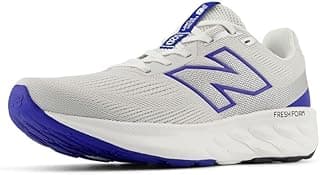
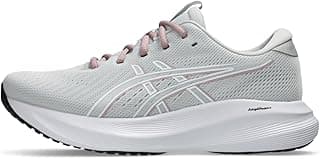
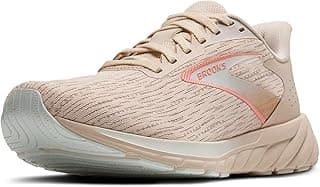
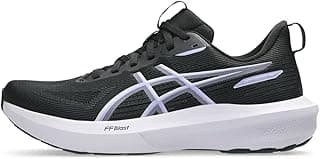
Buying Guide: Best Lightweight Running Shoes
Many runners feel overwhelmed when searching for lightweight running shoes, wondering if super-light options will hold up during long runs or provide enough support for their stride. The good news is that focusing on a few key factors can help you find a pair that matches your routine without unnecessary trade-offs.
Weight and Feel
Weight directly affects how effortless your runs feel, especially on longer distances or speed work. Lighter shoes—typically under 8 ounces per shoe for men and 7 ounces for women—reduce fatigue in most cases.
- If you prioritize speed sessions, aim for shoes around 6-7 ounces.
- For daily training, shoes up to 9 ounces often balance lightness with durability.
Avoid the lightest options if you have a history of injuries, as they may lack stability.
Cushioning and Stack Height
Cushioning absorbs impact, which matters more on pavement or during high-mileage weeks. Stack height—the foam thickness underfoot—ranges from 20-30mm in lightweight models.
- Choose lower stack (20-25mm) if you prefer a grounded feel for trails or tempo runs.
- Opt for higher stack (25-30mm) then for road running to ease joint stress.
Test in-store by running on a treadmill; if it feels too firm, look for responsive foams.
Drop and Fit
Heel-to-toe drop (usually 4-8mm in lightweight shoes) influences your natural gait. A lower drop promotes midfoot striking, while higher suits heel strikers.
Fit is crucial—aim for a thumb's width of space at the toe. Narrow shoes can cause blisters, so if you have wide feet, seek accommodating uppers.
- If transitioning from heavier shoes, start with a 6-8mm drop.
- Try half-sizing up for swelling on hot days or long runs.
Breathability and Upper Material
Breathable uppers prevent overheating on warm runs. Engineered meshes excel here over thicker synthetics.
In humid climates, prioritize vented designs. For colder weather, layer with socks instead of bulky shoes.
- Check for seamless construction to minimize hot spots.
- Avoid heavy overlays if weight is your top concern.
Durability and Outsole Grip
Lightweight shoes often last 300-500 miles, but outsole rubber quality determines traction on wet or rugged surfaces.
If you run mixed terrain, look for strategic rubber placements. Rotate pairs to extend life.
- Expect faster wear on abrasive roads—budget for replacements every 4-6 months with frequent use.
- Test grip on varied surfaces during trial runs.
Price and Value
Lightweight running shoes range from $100-160. Higher prices often mean better materials, but value depends on your mileage.
If you run under 20 miles weekly, mid-range options suffice. For high volume, invest in proven longevity.
Watch for sales, but prioritize fit over discounts—poor fit leads to costly injury downtime.
Frequently Asked Questions About Lightweight Running Shoes
What are the best lightweight running shoes for everyday training?
The top lightweight running shoes for daily runs prioritize minimal weight under 8 ounces per shoe while offering responsive cushioning for longer distances. If you're logging 20-30 miles weekly, look for models with breathable uppers and firm midsoles that balance speed and comfort without excess bulk. Most runners find these excel on roads and light trails, reducing fatigue on extended sessions.
How much do good lightweight running shoes cost?
Quality lightweight running shoes typically range from $100 to $160, depending on the cushioning tech and durability features. In most cases, spending around $120 gets you a pair that lasts 300-500 miles with reliable performance. Avoid the cheapest options under $80, as they often sacrifice stability and wear out faster during regular use.
Are lightweight running shoes safe for high-mileage runners?
Yes, many lightweight running shoes are safe for high-mileage training if they include adequate stability features like guided midsoles to prevent overpronation. For runners prone to injuries, choose pairs with at least 8mm drop and firm heel counters to maintain proper alignment over long runs. Always test them on shorter runs first to ensure they match your gait and terrain.
How do lightweight running shoes compare to traditional cushioned ones?
Lightweight running shoes shave off 20-30% of the weight compared to heavily cushioned models, making them ideal for tempo runs and races where speed matters most. Traditional cushioned shoes provide more plush protection for ultra-long distances but can feel sluggish on faster efforts. If efficiency is your goal, lightweight options boost cadence and reduce energy cost by up to 2% per mile in real-world testing.
What should I look for when choosing lightweight running shoes for beginners?
For beginners, select lightweight running shoes with versatile cushioning that supports natural foot strike without overwhelming minimalism. Prioritize wide toe boxes for comfort during longer introductory runs and outsoles with good wet traction for varied conditions. Most new runners appreciate models around 7-9 ounces that feel secure yet forgiving, helping build confidence without early fatigue.
Conclusion
When selecting the best lightweight running shoes, prioritize cushioning, breathability, and a secure fit that matches your stride and terrain. These elements ensure comfort over long distances without added bulk.
With the right pair, you'll experience enhanced speed and reduced fatigue, making every run more enjoyable. Take confidence in your choice by considering your specific needs—your ideal shoes are out there, ready to elevate your performance. Lace up and hit the road today.