Buying Guide: Best Inkjet Ink Refill Kits
Many printer owners hesitate to try ink refill kits due to worries about damaging their equipment or wasting money on a messy process. In reality, with the right guidance, refill kits can be a practical way to lower printing costs for home or small office use, especially if you print in moderate volumes.
Compatibility with Your Printer
Refill kits work best when matched to your specific inkjet printer model, as cartridge designs vary widely. Mismatched ink can lead to clogs or poor print quality.
- Check the kit's compatibility list against your printer's make and model before buying.
- If you have multiple printers, opt for universal kits that cover common cartridge types.
- Avoid generic kits without clear model specifications to prevent trial-and-error frustration.
Ink Capacity and Yield
Higher capacity kits mean fewer refills over time, which suits frequent printers but may overwhelm light users with excess ink that could dry out.
- For most home users printing 100-500 pages monthly, choose kits yielding 10-20ml per color.
- If you print high volumes, look for kits with 30ml+ bottles for better value.
- Consider shelf life—ink typically lasts 1-2 years unopened, so match size to your usage rate.
Ink Type: Dye vs. Pigment
Dye-based inks produce vibrant colors for photos but fade faster, while pigment inks offer sharper text and better longevity for documents.
- Choose dye if photo printing is your focus, as it handles glossy paper well.
- Opt for pigment if you prioritize document durability or matte media.
- If your needs mix both, many kits offer hybrid formulas that balance the two.
Kit Contents and Ease of Use
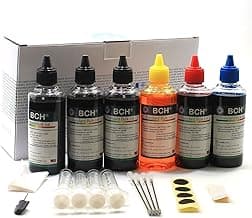
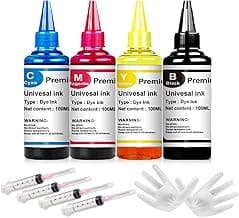
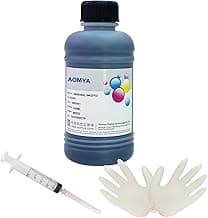
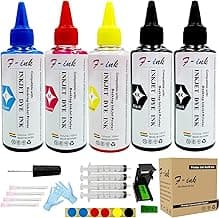
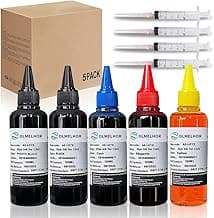
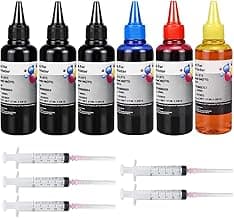
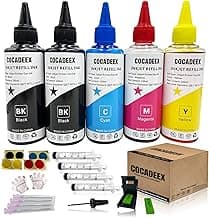
A complete kit reduces hassle, including tools like syringes, gloves, and instructions, making the process cleaner for beginners.
- If you're new to refilling, select kits with step-by-step guides and piercing tools for chip-less cartridges.
- For experienced users, basic ink bottles suffice to keep costs down.
- Always prioritize spill-proof bottles with fine needles to minimize mess.
Safety and Printer Protection
Quality kits use non-toxic, low-odor inks that won't harm your printer when used correctly, addressing common fears about voided warranties or damage.
- Look for kits labeled as printer-safe with no aggressive solvents.
- Wear gloves during refilling and work in a well-ventilated area.
- If your printer has chipped cartridges, choose kits compatible with resetters to avoid error messages.
Cost Per Page and Long-Term Savings
Refill kits often cut ink costs by 70-90% compared to originals, but factor in your print volume for true value.
- Calculate savings: divide kit price by total pages printed to get cost per page.
- For low-volume users (<50 pages/month), savings may be minimal—stick to originals.
- High-volume users see the most benefit, often recouping costs after 2-3 refills.
Storage and Shelf Life
Proper storage keeps ink viable, preventing waste from dried-out bottles.
- Store in a cool, dark place away from direct sunlight.
- If you print infrequently, buy smaller kits to avoid expiration before use.
- Shake bottles gently before refilling to ensure even mixing.
Frequently Asked Questions About Inkjet Ink Refill Kits
Are inkjet ink refill kits worth the cost savings compared to buying new cartridges?
In most cases, refill kits save you 70-80% per print compared to OEM cartridges, especially if you print high volumes like photos or documents regularly. The initial kit cost is low, often under $20, and provides enough ink for hundreds of pages, but factor in occasional mess or failed refills that might waste a bit. They're ideal if you're budget-conscious and okay with hands-on maintenance, though low-volume users might not recoup costs quickly.
Is it safe to use ink refill kits with my inkjet printer?
Refill kits are generally safe if you follow instructions carefully, avoiding spills on skin or printer internals that could cause clogs or damage. Most inks are non-toxic and water-based, but wear gloves and work in a ventilated area to minimize irritation risks. Printer warranties might void with refills, so check your model's policy first if coverage matters to you.
How easy is installation for the best inkjet ink refill kits?
Installation typically takes 10-20 minutes per cartridge: remove the old one, poke holes with the kit's tool, inject ink slowly, and let it settle before printing a test page. If your printer has accessible chips or foam pads, it's straightforward, but trickier models may need online video guides for precision. Practice on one cartridge first to build confidence and avoid overfilling.
How efficient are ink refill kits in terms of page yield and print quality?
Quality refill inks often match OEM darkness and color accuracy for everyday printing, yielding 300-600 pages per color depending on coverage and paper type. Efficiency shines in text documents but can fade slightly on glossy photos after a few refills due to minor fading. For best results, shake bottles well, purge air bubbles, and clean printheads monthly.
What should I consider when comparing different inkjet refill kits?
Look for kits with pigment or dye inks matching your printer's needs—pigment for fade-resistant documents, dye for vibrant photos—and enough volume for multiple refills. Compare bottle sizes, included tools like syringes, and user feedback on clog resistance over time. Cheaper kits might use lower-grade ink that clogs faster, so prioritize ones with clear compatibility lists for your setup.
Conclusion
Choosing the best inkjet ink refill kits comes down to compatibility with your printer, ease of use, and reliable ink quality for vibrant prints without hassle. Prioritize kits that offer clear instructions and mess-free application to save time and money over repeated cartridge purchases.
You can confidently make the right choice by matching these essentials to your needs. Explore the top options and start refilling today for cost-effective, high-quality results that keep your printing smooth and efficient.