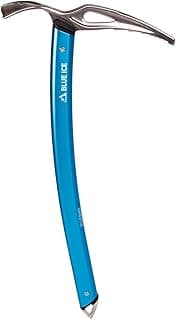
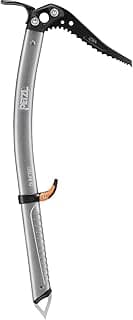
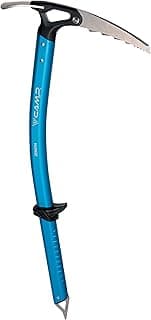
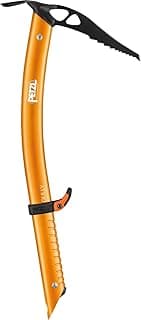
Buying Guide: Finding the Right Ice Axe for Your Needs
Choosing an ice axe can feel overwhelming with so many options, especially if you're new to mountaineering or ice climbing and worried about safety or picking something too heavy for your trips. This guide breaks down the key factors to consider, helping you match the tool to your actual adventures without overcomplicating the decision.
Shaft Length
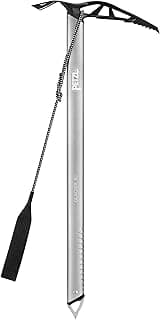
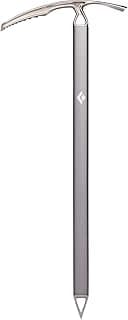
Shaft length affects balance, swing efficiency, and self-arrest capability in real terrain. A shorter shaft (50-60 cm) works well for steep ice or technical climbs where quick placement matters, while longer ones (65-75 cm) suit glacier travel or general mountaineering for better leverage.
- If you're under 170 cm tall or focusing on vertical ice, lean toward shorter lengths to avoid fatigue.
- For broader snowfield use or if you're taller, opt for mid-to-long shafts to improve reach and stability.
- Avoid extremes: too short limits control on moderate slopes, too long adds unnecessary weight on steep routes.
Pick and Adze Design
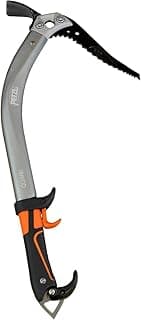
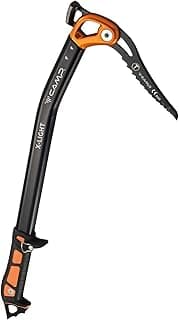
The pick penetrates ice securely, while the adze shapes steps or clears rime—both critical for reliable holds during ascents or emergencies. Curved picks excel in overhead placements on steep ice, but straight ones offer versatility for mixed rock and ice.
- Choose a modular pick if you swap between ice and mixed climbing often.
- If most of your routes involve pure ice, a reverse-curved pick provides better hook-in without twisting your wrist.
- Ensure the adze is sharp enough for chopping but not so aggressive it snags gear unintentionally.
Shaft Material and Weight
Material influences durability, swing speed, and packability on multi-day trips. Aluminum shafts are lighter (300-500g total weight) and affordable for occasional use, while steel offers superior strength for heavy hammering in hard ice.
- Go aluminum if weight savings matter for long approaches or if you're a beginner testing the waters.
- Select steel or composite for frequent, demanding routes where flex under impact could be a risk.
- Balance total weight under 600g for most users to prevent arm pump on extended swings.
Leash and Grip Features
A good leash prevents dropping the axe on steep terrain, and ergonomic grips reduce hand fatigue during prolonged use. Wrist leashes suit self-arrest practice, while chest or sling styles keep hands free for belaying.
- If self-arrest is a priority, pick a leash with quick-release for safety.
- Choose rubberized or modular grips if cold fingers are an issue—they conform better and insulate.
- Avoid fixed leashes on lead climbing; they can tangle in falls.
Certification and Testing Standards
Look for axes tested to UIAA or equivalent standards to ensure they hold in dynamic falls or repeated impacts. This reduces worry about gear failure in critical moments.
- Verify certification labels for your intended use—general mountaineering vs. technical ice.
- If buying used, inspect for cracks or wear that could void safety margins.
- In most cases, certified tools provide peace of mind without adding much cost.
Budget and Maintenance Needs
Ice axes range from $100-300, with higher prices often tied to lighter materials or modularity. Factor in sharpening kits, as dull picks fail faster in cold, brittle ice.
- Start basic if you're casual; invest more for frequent users needing replaceable parts.
- Budget for annual maintenance to keep edges sharp—neglect here leads to poor performance.
- If cost is tight, prioritize fit over flash; a well-matched cheaper axe outperforms a mismatched premium one.
Best Ice Axe FAQ
What is the best ice axe for beginners on a budget?
If you're new to ice climbing or mountaineering and watching your wallet, look for a basic walking axe around 50-70 cm long that costs under $100. These models balance affordability with reliable self-arrest capability for most beginner terrain, avoiding the need for pricier technical features. In most cases, prioritize a steel head and shaft over ultralight options to ensure durability without breaking the bank.
How do I know if an ice axe is safe for steep terrain?
Safety starts with matching the axe length to your height—about 60-75 cm for general mountaineering—and checking for a sharp pick that penetrates ice securely. Test the swing weight in-store if possible; it should feel balanced without excessive vibration on impact. Always inspect for cracks or loose components before each use, as a well-maintained axe significantly reduces slip risks on steep slopes.
Is there an easy installation process for ice axe leashes or accessories?
Most ice axes come leash-ready with pre-drilled holes, so attaching a wrist leash takes just minutes using the included carabiner or simple knot. For modular picks or adze swaps, a hex wrench tightens the collet in under 30 seconds—no special tools needed. If you're in the field, practice beforehand to avoid fumbling in cold conditions.
What makes one ice axe more efficient than another for ice climbing?
Efficiency comes from a curved shaft and modular pick design that allows quick swings with less fatigue on vertical ice walls. Lighter models around 400-500 grams excel for repeated placements, while stiffer shafts provide better power transfer on hard ice. Choose based on your primary use: technical climbing favors modularity over basic trekking axes.
How does a general mountaineering axe compare to a technical ice tool?
A general mountaineering axe handles snow slopes, self-arrests, and moderate terrain with its straight shaft and broader adze for digging steps, making it versatile for all-day hikes. Technical ice tools, with curved handles and aggressive picks, outperform on overhanging routes but feel awkward for walking. If your trips mix glacier travel and steep ice, a hybrid axe splits the difference without full specialization.
Conclusion
Choosing the best ice axe comes down to matching its weight, shaft curvature, and pick design to your climbing style and terrain. Prioritize models with durable construction and ergonomic grips for reliable performance in icy conditions.
With these key factors in mind, you can confidently select an ice axe that enhances your safety and efficiency on the mountain. Take a moment to assess your needs and pick the right one to elevate your next adventure.