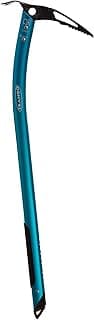
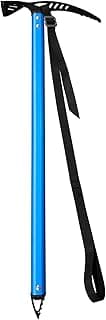
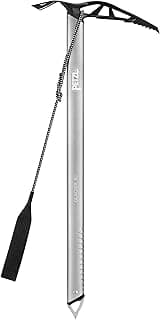
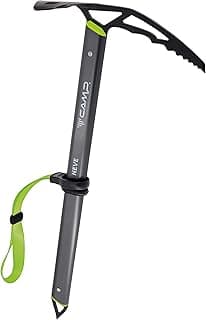
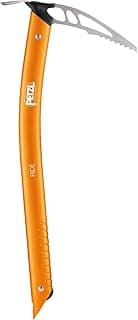
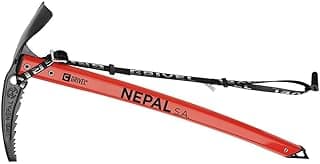
Buying Guide: Best Ice Axe with Case
Choosing an ice axe with a case often feels overwhelming when you're gearing up for mountaineering or winter hikes, especially if you're unsure about protection during transport or the right fit for your adventures. This guide breaks down the key factors to consider, helping you focus on practical needs without overcomplicating the decision.
Shaft Length and Weight
Shaft length affects swing control and reach, while weight influences fatigue on long climbs. For most users on moderate terrain, a length between 50-70 cm works well, balancing maneuverability and self-arrest capability.
- If you're under 170 cm tall, opt for shorter shafts around 50-60 cm to avoid awkward handling.
- Taller climbers or those tackling steeper ice may prefer 65-75 cm for better leverage.
- Choose lighter models (400-600 grams) for technical routes to reduce arm strain over time.
Head Design: Pick and Adze
The pick penetrates ice effectively, and the adze shapes steps or clears snow—both critical for safety in varied conditions. Curved picks suit steep ice, while straight ones excel on mixed terrain.
- Select a pick with a positive curve if you prioritize vertical ice climbing.
- Go for a balanced adze if snow and glacier work is common in your routes.
- Avoid overly aggressive designs unless you're experienced, as they can increase swing effort.
Material and Durability
Materials determine how well the axe holds up to repeated impacts and cold. Aluminum shafts offer lightness but less durability than steel, which resists bending under stress.
In most cases, chromoly steel heads paired with aircraft-grade aluminum shafts provide a reliable mix of strength and low weight. Test for flex under load to ensure it matches your intended use.
- Steel for heavy-duty glacier travel where impacts are frequent.
- Aluminum if weight savings matter more than extreme abuse.
Grip and Ergonomics
A comfortable grip prevents slippage in gloves and reduces blisters during extended use. Modular grips allow adjustments for different stances.
If you swing overhead often, choose rubberized grips with wrist loops. For cane-style walking, look for textured surfaces that stay secure on leashes.
- Ergonomic curves help if you have larger hands or prioritize comfort on multi-day trips.
- Avoid slick plastics in wet, cold conditions—they can lead to control issues.
Protective Case Features
A good case shields the sharp pick and adze during travel, preventing damage to gear or injury in your pack. Padded, durable cases with secure straps make transport hassle-free.
- If you fly frequently, pick cases with 360-degree padding and drainage vents for wet gear.
- Compact, roll-up designs suit day trips, while rigid sheaths work for car camping.
- Ensure the case fits snugly without adding excessive bulk—test with your pack setup.
Certifications and Testing
Look for axes tested to UIAA or CE standards, confirming they meet hold strength and impact requirements. These assure reliability without guesswork.
For casual winter hiking, basic certification suffices. Technical climbers should verify ratings for self-arrest and ice penetration specific to their activities.
Best Ice Axe with Case FAQ
What should I look for in the best ice axe with case for safety?
Safety starts with a sturdy shaft that resists bending under impact and a sharp pick designed for secure ice penetration without excessive bounce. A quality protective case is essential to prevent blade injuries during transport and storage, especially if you're hiking to your climbing spot. In most cases, models with reinforced sheaths and ergonomic grips offer the best balance of reliability and user protection for real-world mountaineering.
How much does a good ice axe with case typically cost?
Expect to pay between $100 and $250 for a reliable ice axe that includes a durable case, depending on shaft material like aluminum or steel and overall build quality. Cheaper options under $100 often compromise on weight or longevity, while premium ones justify the cost with better balance for technical routes. If you're buying your first one, prioritize value over the lowest price to avoid frequent replacements.
Is it easy to install or attach a case to an ice axe?
Most cases for ice axes are designed as slip-on sheaths or padded sleeves that secure with straps or clips—no tools required and under a minute to fit. If the case doesn't match your axe's length perfectly, it might need minor adjustments like tightening buckles for a snug hold. Always test the fit before heading out to ensure it stays put during travel without slipping off.
How does an ice axe with case compare to one without for everyday use?
An ice axe with a dedicated case is far more practical for backpacking or car storage, as it protects your gear and surroundings from the sharp head during transit. Without a case, you're risking damage to your pack or injury from exposed points, which can be a hassle on multi-day trips. The added bulk is minimal but pays off in convenience and safety for frequent users.
What's the most efficient ice axe with case for general mountaineering?
Look for a lightweight model around 400-600 grams with a case that balances swing weight for self-arrest and chopping efficiency without tiring you out on long approaches. Modular designs allow quick sheath removal at the ice face, keeping things streamlined. In practice, this setup handles mixed terrain best if you're not doing extreme technical ice climbing.
Conclusion
Choosing the best ice axe with case comes down to balancing weight, durability, and secure storage for your mountaineering needs. Prioritize a model with a robust ergonomic handle, sharp pick, and a fitted case that protects during transport and travel.
This guide equips you with the key factors to make a confident decision tailored to your adventures. Assess your terrain and usage, then select the option that fits best—your safety and performance depend on it.