Buying Guide: Best Ice Axe with Bag
Choosing an ice axe with a protective bag often feels overwhelming when you're gearing up for winter climbs or glacier treks, especially if you're unsure about matching specs to your actual adventures. Many buyers worry about carrying options or durability in harsh conditions, but focusing on a few key factors can simplify the process and ensure your setup works reliably in the field.
Shaft Length and Sizing
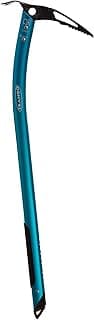
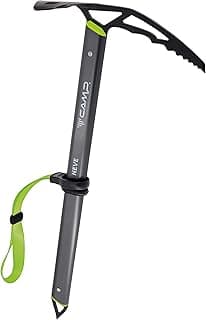
Shaft length affects swing control and self-arrest capability during real-world falls or steep terrain navigation. Shorter shafts around 50-60 cm suit technical ice climbing for maneuverability, while longer ones up to 70-80 cm work better for general mountaineering and walking techniques.
- If you're under 170 cm tall or prioritizing steep routes, opt for shorter models.
- For taller users or snow-covered approaches, go longer to improve leverage.
Measure against your height and intended terrain to avoid a tool that's too awkward or short for effective use.
Head Design and Pick Shape
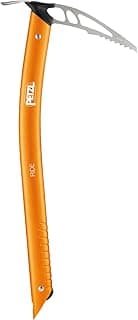
The head's pick curvature and blade shape determine ice penetration and hold on varying formations like waterfalls or hard glacier ice. A more curved pick excels in overhanging ice, while modular designs allow swapping for different conditions.
- Choose curved picks if you tackle steep, technical ice frequently.
- Opt for straight or modular heads for versatile snow and mixed routes.
In most cases, test the pick angle against your typical ice types to ensure secure placements without excessive effort.
Material and Weight Balance
A balanced weight, often between 400-700 grams, reduces arm fatigue on multi-pitch routes while maintaining swing power. Aluminum shafts offer lightness for long approaches, whereas steel provides superior durability against rock impacts.
- Select aluminum if weight savings matter for extended hikes.
- Go with steel if your routes involve frequent rock contact.
Hold the axe to check balance—aim for even distribution so it feels natural during repeated swings.
Bag Quality and Carrying Features
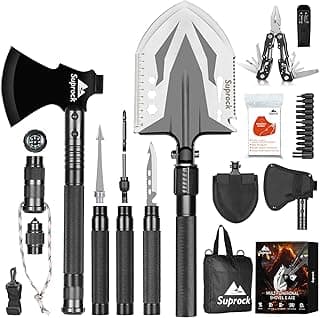
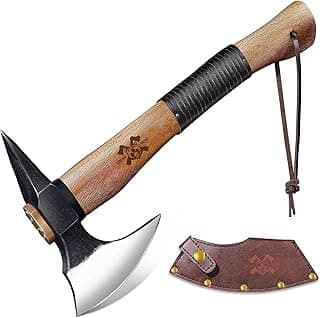
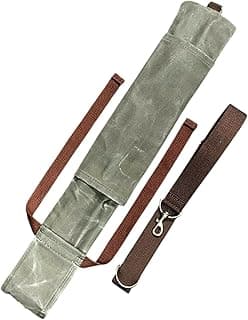
A dedicated bag protects the sharp pick and head during travel and storage, preventing damage to gear or injury. Look for padded models with secure straps, drainage vents, and loops for attaching to packs, ideally fitting 60-75 cm axes.
- If you travel by air or public transit, prioritize durable, compact bags with handles.
- For day trips, simpler padded sleeves suffice if they include quick-access straps.
Always verify the bag's fit for your axe length to avoid loose storage that risks blade exposure.
Grip and Ergonomics
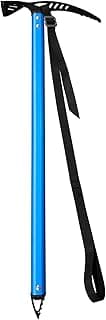
Ergonomic grips with rubber or cork materials enhance control in cold, wet conditions, reducing slippage during high-stress maneuvers. Adjustable leashes add security without restricting wrist movement.
- Choose cork for breathability on warmer climbs.
- Opt for rubber if you face frequent ice melt and moisture.
If you have larger hands or plan extended use, prioritize textured, contoured grips for all-day comfort.
Durability and Certifications
Certified axes meet safety standards for strength under impact and flex testing, crucial for unpredictable mountain environments. Heat-treated components resist bending or chipping over seasons of use.
Inspect for uniform construction and certifications from recognized testing bodies. If your activities involve heavy crampon or rock work, then reinforced lower shafts help extend tool life without adding bulk.
By evaluating these factors against your specific trips—such as route steepness, travel logistics, and physical build—you'll land on an ice axe with bag that supports safe, effective performance without unnecessary extras.
Frequently Asked Questions About the Best Ice Axe with Bag
What should I look for in the best ice axe with bag for safety?
Safety starts with a sturdy shaft made from aluminum or steel that resists bending under impact, paired with sharp, replaceable pick and adze edges for reliable grip on ice and rock. A good protective bag is essential to prevent cuts during transport and storage, keeping the axe safe in your pack. In most cases, models with ergonomic handles and wrist loops reduce slippage risks, making them ideal for beginners or technical climbs.
How much does a quality ice axe with bag typically cost?
Expect to pay between $80 and $150 for a reliable ice axe that includes a durable carrying bag, depending on length and materials. Shorter axes for steeper terrain often cost less, while longer walking styles with padded bags run higher. This price range balances performance and value without skimping on essentials like tempered steel heads.
Is it easy to install or attach the bag to an ice axe?
Most bags designed for ice axes use simple Velcro straps or drawstring closures that secure the axe in seconds without tools. If the bag has adjustable loops, slide the handle through and tighten for a snug fit that withstands backpack jostling. For padded models, the extra cushioning adds minimal bulk while ensuring easy on-off access during trips.
How does the best ice axe with bag compare to ones without a bag?
An ice axe with a dedicated bag offers superior protection against blade damage and personal injury compared to bare models, especially in group gear hauls or car storage. Bags also make packing more efficient by containing sharp parts, reducing wear on your backpack. If you're mountaineering frequently, the included bag justifies the slight premium over standalone axes.
What's the most efficient way to choose an ice axe with bag for my needs?
Match the axe length to your height and terrain—shorter for steep ice climbs, longer for glacier walks—and ensure the bag is padded and water-resistant for all-day carry. Test the balance in-store if possible; a well-centered weight improves swing efficiency on hard ice. Prioritize lightweight combos under 3 pounds total to avoid fatigue on long approaches.
Conclusion
Choosing the best ice axe with bag comes down to balancing weight, shaft length, pick curvature, and reliable storage for your adventures. Prioritize a model that matches your terrain and experience level for optimal performance and safety.
With these key factors in mind, you're equipped to make a confident decision. The right ice axe not only enhances your mountaineering toolkit but also ensures peace of mind on the ice. Take a moment to select the one that fits your needs and gear up for the peaks ahead.