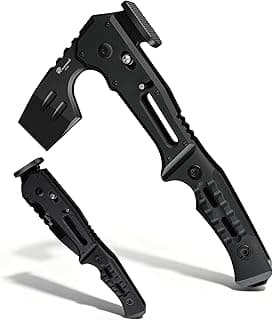
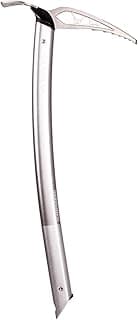
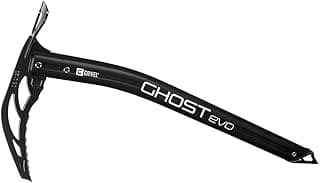
Buying Guide: Best Ice Axe Portable
Many people shopping for the best ice axe portable options feel overwhelmed by the variety of sizes, weights, and designs. A common concern is picking one that's lightweight enough to carry all day but sturdy for real ice and snow work. This guide breaks down the key factors to help you match the tool to your activities, whether you're hiking, mountaineering, or preparing for winter emergencies.
Shaft Length
Shaft length affects how you swing and plant the axe, especially on steep terrain. Shorter shafts around 50-60 cm work well for most users in technical climbing or self-arrest scenarios, keeping the tool compact for packing.
- If you're focused on portability for day hikes, opt for under 55 cm to reduce bulk in your pack.
- For general mountaineering, a 60-70 cm length provides better leverage without much added weight.
- Avoid overly long shafts over 75 cm unless you're traversing glaciers, as they become cumbersome to transport.
Weight and Portability
Weight directly impacts how easily you carry the ice axe on multi-day trips. Lighter models under 1 kg shine for backpacking, minimizing fatigue over long distances.
- Choose 400-700 grams if portability is your priority, like for summer hikes where you might need it for sudden snowfields.
- For heavier ice work, accept up to 1.2 kg for added durability without sacrificing too much mobility.
- Test the balance in-store; a top-heavy axe feels unwieldy even if lightweight overall.
Head Design: Pick and Adze
The pick penetrates ice effectively, while the adze helps dig steps or build shelters. A curved pick grips better on steep ice, but straight picks suit softer snow.
- If you prioritize self-arrest on slopes, go for a curved pick with good penetration.
- Select a broad adze if you'll be doing platform-building in deep snow.
- Ensure the head is modular if you want versatility for swapping parts later.
Materials and Durability
High-quality materials resist bending or cracking under stress, crucial for repeated impacts. Aluminum shafts offer a good balance of lightness and strength for portable use.
- Aluminum is generally sufficient for most recreational users, weighing less than steel alternatives.
- Look for chromoly steel picks rated for hard ice if your terrain involves frozen waterfalls.
- Check for ergonomic grips with rubber or plastic overmolds to prevent slippage in cold, wet conditions.
Leash and Safety Features
A reliable leash keeps the axe attached during swings or falls, reducing loss risks. Adjustable leashes adapt to gloves and wrist sizes.
- If you're new to ice tools, prioritize quick-release leashes for safety in self-arrest practice.
- For technical routes, choose reinforced leashes that withstand high impacts.
- Always verify spike covers for safe transport and storage in your pack.
Certification and Testing
Look for axes tested to UIAA or equivalent standards, ensuring they hold up in falls or heavy use. This provides peace of mind without overcomplicating your choice.
- Certified tools generally perform reliably in varied conditions.
- If buying used, inspect for cracks or wear, as certifications don't cover prior damage.
By focusing on your specific outings—like short hikes versus extended expeditions—you'll find a portable ice axe that fits without unnecessary trade-offs. Consider hands-on testing where possible to confirm comfort and balance.
Best Ice Axe Portable FAQ
What is the best portable ice axe for everyday mountaineering use?
The best portable ice axe balances lightweight design with reliable self-arrest capability, typically weighing under 2 pounds for easy carrying on day hikes or multi-pitch routes. Look for models with a curved pick for efficient ice penetration and a ergonomic handle that fits gloves well. In most cases, these axes perform best when matched to your skill level and terrain, ensuring they're compact enough to strap to a pack without bulk.
How much does a good portable ice axe cost?
A quality portable ice axe usually costs between $80 and $150, depending on materials like aircraft-grade aluminum or steel picks. Cheaper options around $50 might work for casual use but often lack durability for repeated impacts. If you're buying for safety-critical trips, investing in the mid-range ensures better longevity and performance without breaking the bank.
Is a portable ice axe safe for beginners?
Yes, many portable ice axes are safe for beginners if they include a sharp pick for self-arrest and a leash to prevent dropping. Practice swinging and arresting on snow first to build confidence, as improper technique can reduce effectiveness. Always check for certifications like UIAA standards to confirm it holds up under real fall scenarios.
How do you install or attach a portable ice axe for carrying?
Most portable ice axes attach easily to any backpack via included loops or carabiners on the head and spike, taking under a minute to secure diagonally across the back. For trekking poles or chest rigs, use dedicated holsters to keep it accessible without snagging. If your pack lacks mounts, simple bungee cords work reliably for quick setups on the go.
How does a portable ice axe compare to traditional models?
Portable ice axes are lighter and more compact than traditional ones, making them ideal for summer scrambling or alpine starts where every ounce counts. They might sacrifice some swing power for choppy hard ice compared to heavier axes, but excel in mobility for fast-and-light missions. Choose portable if portability trumps raw power for your typical routes.
Conclusion
Selecting the best ice axe portable comes down to balancing weight, durability, and ease of transport for your adventures. Prioritize models with lightweight aluminum shafts, ergonomic grips, and reliable pick points to ensure safety and performance in icy conditions.
With these key factors in mind, you're well-equipped to make a confident choice that fits your needs. Take a moment to match the specs to your typical terrain and usage—your ideal companion awaits to enhance every climb.